

Quick answer
A cam room moderator should manage repetitive chat friction while the creator retains control of identity, money, private conversations, and show direction. Add the role when disruptions consistently break performance flow or overwhelm the creator during valuable sessions. Start with a limited trial: define permissions, brief the moderator on tone and boundaries, log interventions, and keep access to payments, account settings, customer records, and private messages restricted.
When does a cam room moderator become worth using?
Use a cam room moderator when chat management is repeatedly damaging show pacing, creator focus, or customer experience. A busy room alone is not sufficient: the decisive signal is preventable work that the creator cannot handle without interrupting the performance.
Moderation becomes an operating role when the same distractions recur: spam buries useful messages, boundary testing demands constant replies, newcomers need routine guidance, or arguments redirect attention from paying customers. The creator is then switching between host, salesperson, support agent, and rule enforcer. That switching has a cost even when no obvious crisis occurs. It weakens continuity, makes regulars wait, and can leave room standards dependent on the creator's mood or fatigue. A moderator absorbs predictable friction; the creator still decides the tone, offer, and pace.
- Hire for repeated operational load, not as a status symbol for a room that merely looks busy.
- Keep moderating personally while disruptions are rare, the community is small, or the room's culture is still being defined.
- Consider coverage when the creator misses valuable messages while removing spam or explaining rules.
- Fix unclear room rules before hiring; delegation cannot rescue a policy nobody understands.
- Review scheduling as well as headcount: working the best time to cam may create concentrated periods that justify targeted coverage.
What should the moderator be allowed to do?
Grant authority by action, not by vague title. A moderator may enforce published room rules and route routine questions, while account ownership, funds, private customer relationships, identity documents, and irreversible settings remain with the creator or platform operator.
The safest design follows least privilege: every permission must correspond to a recurring task and have a clear stopping point. “Help with everything” is not a role description; it is an avoidable security incident wearing a friendly hat. Platform tools differ, so confirm which actions are separately assignable and which expose broader access. Never share the creator's primary password merely because the interface lacks a suitable role. If safe delegation is impossible, keep the task with the account owner or move to a system with role-based administration and activity records.
| Activity | Moderator authority | Escalation point |
|---|---|---|
| Spam and repeated flooding | Remove or mute under the published rule | Escalate coordinated attacks or repeated re-entry |
| Harassment and boundary violations | Warn, mute, or remove using approved language | Escalate threats, doxxing, coercion, or credible safety concerns |
| Routine room questions | Use approved answers and direct users to public information | Escalate refunds, disputes, promises, or exceptions |
| Show pacing | Flag missed requests privately without directing the performance | Creator decides sequence, boundaries, and timing |
| Private messages and regulars | No impersonation and no unsupervised relationship management | Creator handles sensitive or high-value conversations |
| Payments and account controls | No access to balances, payouts, identity files, or ownership settings | Account owner handles every financial or identity action |
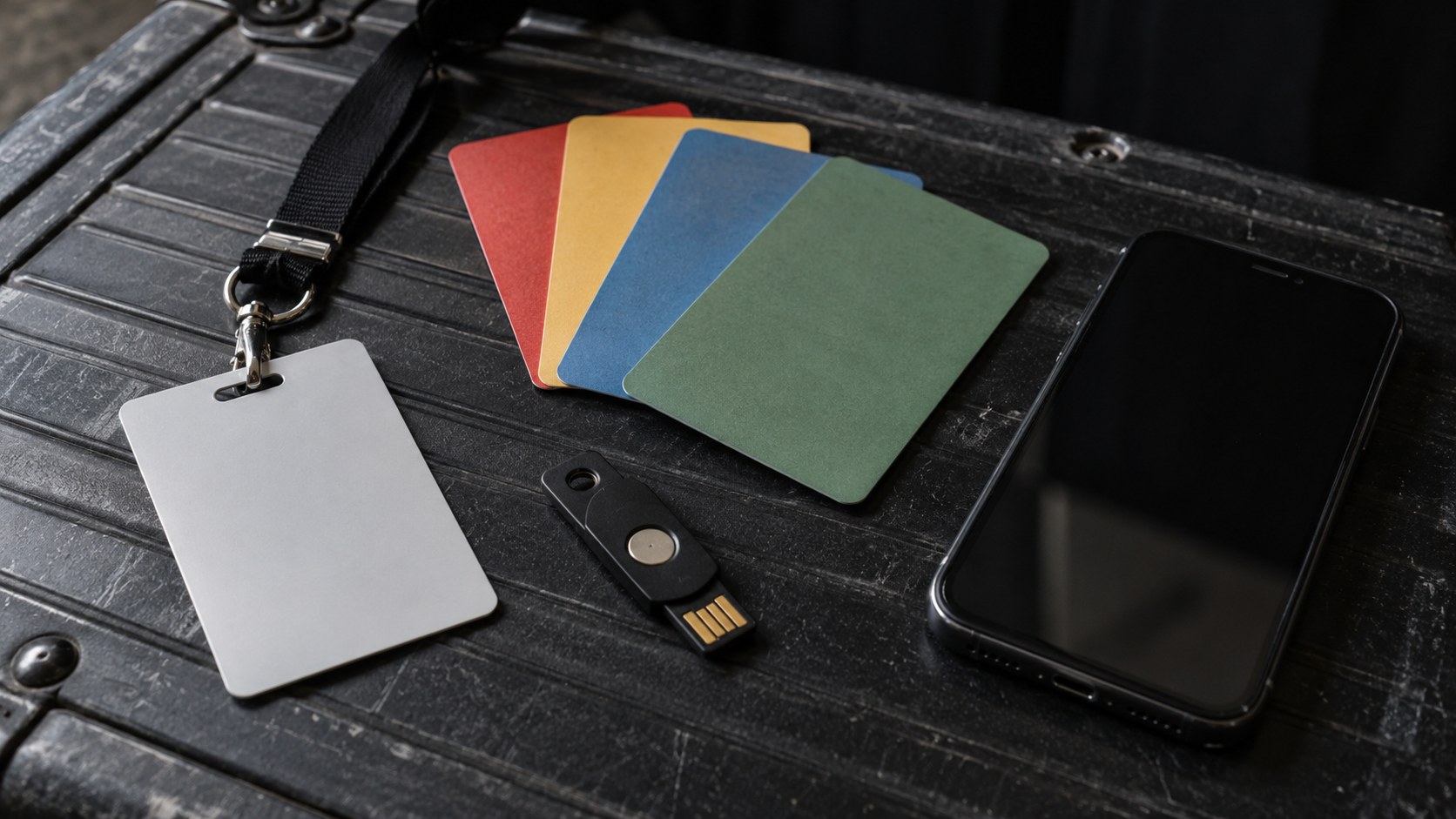
Separate social trust from technical access. A loyal regular may understand the community perfectly and still be the wrong person to receive administrative privileges. Conversely, an experienced operator may enforce rules efficiently but mishandle the creator's voice. Test those dimensions independently: give the candidate prepared scenarios before live access, then observe actual decisions under restricted permissions. If the platform bundles moderation with financial or identity controls, that is a product limitation to resolve—not a reason to exchange credentials and hope friendship counts as authentication.
How do you brief a moderator without losing your voice?
Give the moderator a short operating brief that defines room purpose, permitted actions, prohibited actions, response language, and an escalation ladder. The moderator protects the creator's pace; they do not become a substitute personality or an unofficial manager.
Write the brief in observable terms. Include the audience experience you want, the public rules, examples of ordinary banter versus harassment, approved answers to recurring questions, and the private channel used for alerts. State what the moderator must never promise: refunds, custom arrangements, access, schedule changes, or exceptions to boundaries. Add a handoff rule for regulars and valuable conversations so the moderator does not accidentally sever the relationship they were hired to protect. Consistency also matters when the creator is working on how to get regulars as a cam model; recognition should feel personal, not outsourced.
- Observe: ignore harmless noise and record uncertain patterns without feeding them.
- Redirect: post the approved reminder or answer a routine question.
- Restrict: mute or remove conduct that clearly matches a published rule.
- Alert: privately notify the creator when pacing, boundaries, or a known customer's context affects the decision.
- Preserve and escalate: retain available records and stop improvising when threats, identity exposure, suspected fraud, or immediate safety concerns appear.
The escalation ladder must align with the creator's own approach to how to deal with trolls as a cam model. A moderator who enjoys public combat can turn a minor nuisance into the evening's main character. Calm enforcement, minimal spectacle, and prompt handoff preserve both room mood and evidence.

How should you evaluate a moderator trial shift?
Evaluate the trial against observable changes in disruption, creator workload, judgment, and customer continuity. The goal is not maximum enforcement. It is a calmer room in which the creator spends less attention on routine control without losing important conversations.
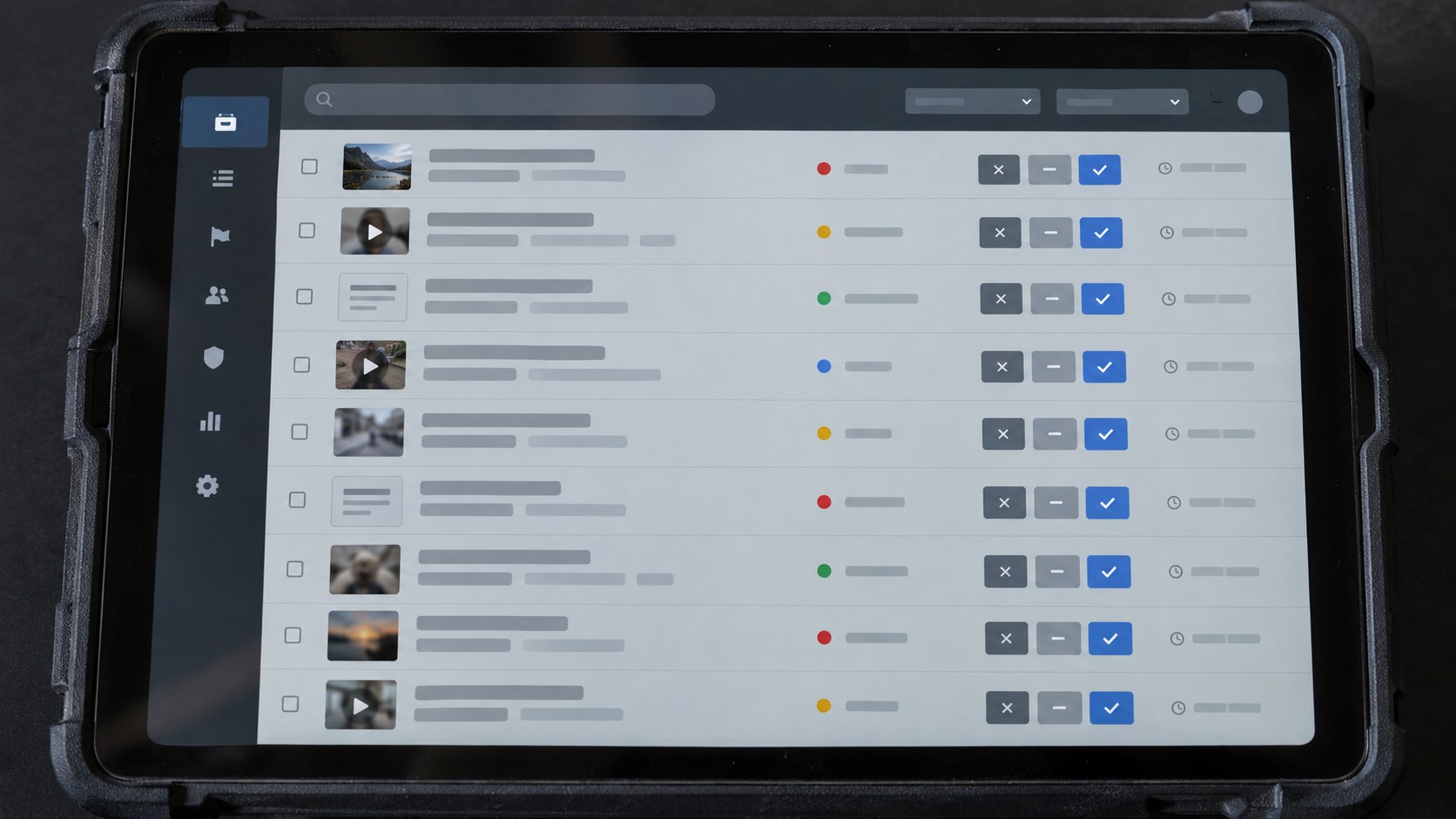
Consider a hypothetical trial with these explicit assumptions: the creator runs comparable sessions with the same offer, records interruptions immediately afterward, and labels outcomes green, amber, or red rather than assigning invented precision. In the moderated session, spam becomes less visible and routine questions receive consistent answers, but the moderator silences a familiar user's harmless joke and interrupts the creator too often through private alerts. The result is amber: workload improved, yet judgment and communication need correction. The rational decision is another restricted trial with clearer examples—not promotion to wider access and not instant dismissal.
| Measure | Green signal | Amber or red signal |
|---|---|---|
| Disruption control | Rule-breaking is handled quietly before it dominates | Interventions create arguments or attract more attention |
| Creator workload | Fewer routine decisions reach the creator | Constant alerts replace public interruptions |
| Judgment | Context and proportionality shape responses | Rules are applied mechanically or selectively |
| Customer continuity | Important messages and regulars reach the creator | The moderator blocks, impersonates, or competes for relationships |
| Security discipline | The candidate stays within assigned tools | They request passwords, payment access, or unnecessary personal data |
Pair the scorecard with session notes rather than relying on revenue alone. Broader cam model analytics can provide context, but sales may move because of traffic quality, scheduling, pricing, or the performance itself. Moderation earns its place when it reduces controllable friction without creating new risk.
How do creators and platform owners implement moderation safely?
Implement moderation as a controlled operating system: publish rules, create a restricted role, train against scenarios, run a supervised trial, review logs, and expand authority only when evidence supports it. Platform owners should make that workflow possible without shared credentials.
Creators can apply the process inside the tools their platform provides. Founders have a larger obligation because moderation design affects every room: permissions should be separable, actions attributable, and financial or identity controls isolated from chat enforcement. The business model also matters. Public rooms need fast handling of visible disruption, while paid conversations require more careful privacy and handoff rules; the distinction between public vs private cam shows should be reflected in policy and access design.
- Define prohibited conduct, response language, evidence handling, privacy expectations, and creator-only decisions.
- Map each recurring task to the narrowest available permission; never solve a role-design gap by sharing the primary login.
- Prepare the briefing template and scenario rehearsal before the candidate enters a live room.
- Run a supervised trial with a private alert channel and a known owner available for escalation.
- Review the scorecard, intervention log, customer handoffs, and any security concerns; revise the rules before expanding scope.
- Revoke access promptly when the role ends and retain only records required by policy and applicable law.
A moderator is not a lawyer, payment specialist, emergency responder, or substitute for platform safeguards. Operators must establish applicable age, consent, privacy, recordkeeping, and reporting obligations in each jurisdiction. Serious threats, suspected exploitation, financial disputes, or identity compromise require the appropriate qualified or official channel.
Build moderation into the platform, not around its limitations
Once moderation becomes part of the operating model, shared passwords and improvised chat rules stop being tolerable. Founders need streaming, chat, monetization, and administration arranged so people can perform distinct jobs without surrendering control of the business.
Scrile Stream is white-label webcam software for branded live streaming and monetized video sites, with private and group video chat, built-in chat, direct payment integrations, and an admin dashboard. Custom development can adapt the product to a platform's workflow, while UX/UI, hosting, technical support, and project management are available from roadmap through launch.
Frequently asked questions
What does a cam room moderator do?
A cam room moderator enforces published chat rules, removes spam or abusive conduct, answers approved routine questions, and alerts the creator when a decision requires context or authority.
When should a cam model hire a moderator?
Hire when recurring chat control measurably interrupts performance, hides valuable messages, or creates inconsistent enforcement. A busy-looking room by itself is not enough.
Should a moderator have the creator's password?
No. Use a separate, restricted role where available. The primary password, recovery methods, identity documents, payment controls, and ownership settings should remain with the account owner.
Can a moderator answer private messages?
Only under a deliberately defined workflow, and generally not by impersonating the creator. Sensitive, personal, disputed, or high-value conversations should be handed to the creator.
Can a regular viewer become a moderator?
Yes, but loyalty does not establish security discipline or sound judgment. Test the person with scenarios and a restricted live trial before granting durable access.
How do you measure whether a moderator is helping?
Compare disruption control, creator workload, judgment, customer continuity, and security discipline across comparable sessions. Review incident logs alongside business metrics.
What should a moderator do about threats or doxxing?
Avoid public escalation, preserve available evidence, alert the account owner, and follow the platform's reporting process. Credible or immediate danger may require local emergency or legal support.
Does every cam room need a moderator?
No. Small or calm rooms may be better handled by the creator, especially while community standards are still developing. Moderation is justified by recurring operational load and risk.