

Quick answer
To learn how to multistream camming safely, first confirm that every platform permits simultaneous broadcasting and that its content, exclusivity, branding, and interaction rules are compatible. Send one clean video feed through approved encoding or distribution software, but manage each room as a separate commercial channel. Begin with one additional platform, measure incremental net revenue and service quality, and expand only if the extra income exceeds the operational cost of divided attention.
How to multistream camming without multiplying your problems
Multistream only after your current show is technically stable, commercially repeatable, and simple enough to operate while monitoring another room. More distribution cannot repair weak retention; it merely displays the weakness in more places.
The attraction is obvious: one performance can reach several discovery pools. The hidden cost is that camming is interactive rather than passive syndication. Viewers expect greetings, tip acknowledgements, moderation, goal updates, and timely movement into private sessions. Each new room adds a queue of human expectations, plus another rulebook and payout ledger. If attention becomes visibly thin, the larger audience may produce a worse show and less revenue per viewer.
- Rules: confirm that simultaneous streaming, on-screen references, recorded content, and private-show behavior are allowed by every service.
- Operations: maintain distinct chat, moderation, tip, and private-request handling without missing paid interactions.
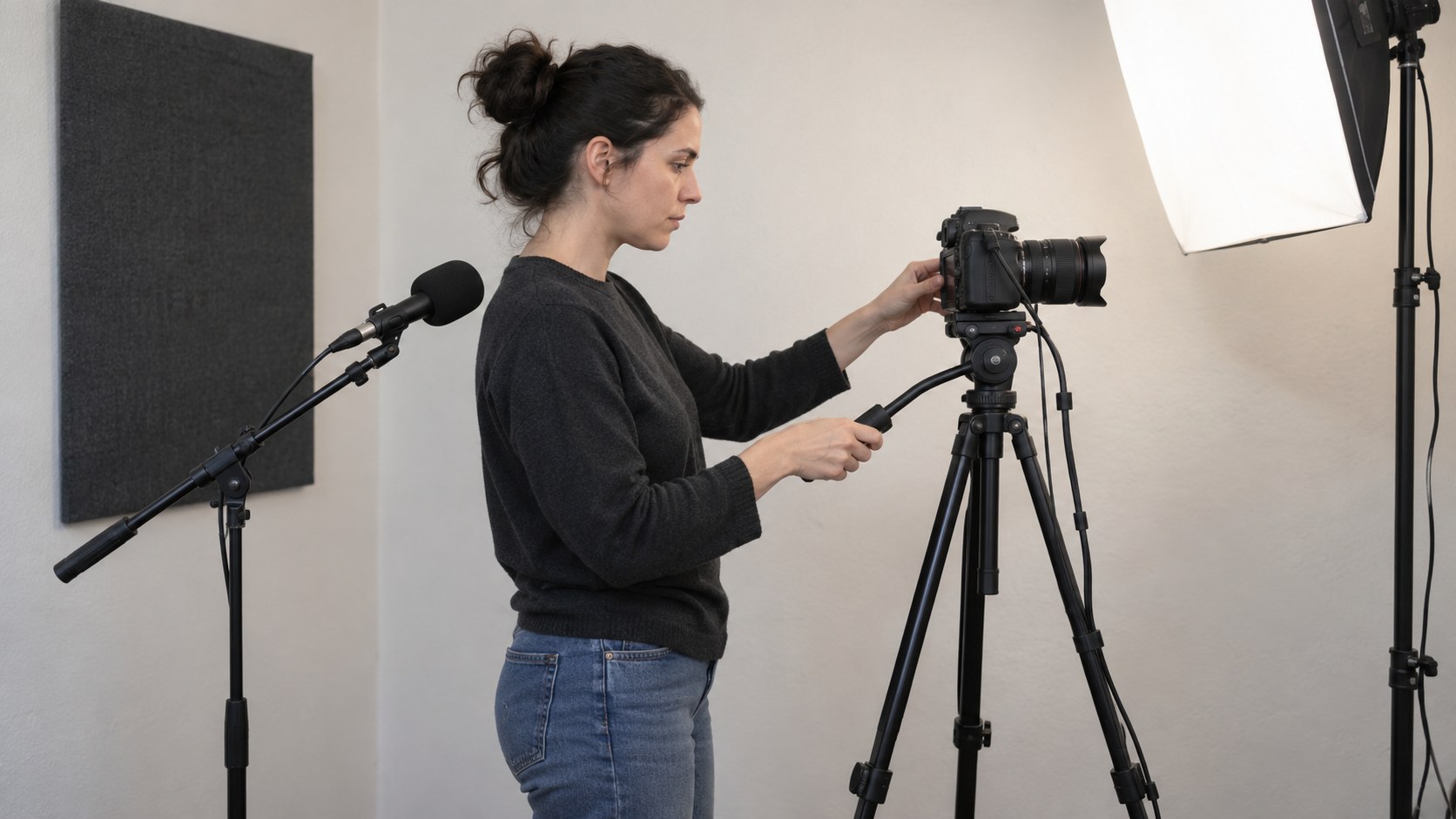
- Technology: verify stable upload capacity, encoder headroom, camera continuity, audio synchronization, and a recovery route if one destination fails.
- Commercial control: reconcile earnings, refunds, payout thresholds, identity records, and tax documentation separately for every account.
- Audience discipline: give each room a coherent experience rather than treating the smaller room as background noise.
Failing any gate is a reason to postpone, not a challenge to improvise live. Stabilize your internet speed for camming, scene changes, moderation routine, and offer before adding distribution. The practical implication is blunt: multistreaming begins as an operations project, not an audience-growth button.
Which cam platforms can operate together?
Choose a platform combination by operational compatibility, not by total audience size. The best pair permits the same public performance, has manageable interaction patterns, and does not create conflicting obligations when a viewer requests paid access.
Read the current performer agreement, content policy, broadcast rules, and exclusivity terms for each candidate. Confirm ambiguous points with the platform itself and retain the answer. Pay particular attention to whether external branding is permitted, whether a public feed may remain live during a private session elsewhere, and whether automated chat aggregation or third-party distribution tools are allowed. Policies change; an old forum answer is not permission.
| Decision factor | Record for each platform | Reject or redesign when |
|---|---|---|
| Simulcast permission | Current rule and confirmation source | Concurrent broadcasting is prohibited or unclear |
| Show compatibility | Allowed acts, dress, location, and media | The same feed would violate either rule set |
| Paid interaction | Private, group, tips, and request flow | One paid event cannot be honored cleanly |
| Chat and moderation | Message volume, tools, blocked terms | Operators cannot identify or moderate each room |
| Money administration | Currency, statements, disputes, payout process | Revenue cannot be reconciled reliably |
| Technical route | Accepted protocol, resolution, fallback | The combined route exceeds tested capacity |
Complete the worksheet before installing more software. A mismatch does not always kill the plan: different public scenes or scheduled destinations may solve it. It does mean the feeds are no longer operationally identical. The next action is to select the lowest-conflict pair, document its rules, and define what happens to every room when a paid session begins.
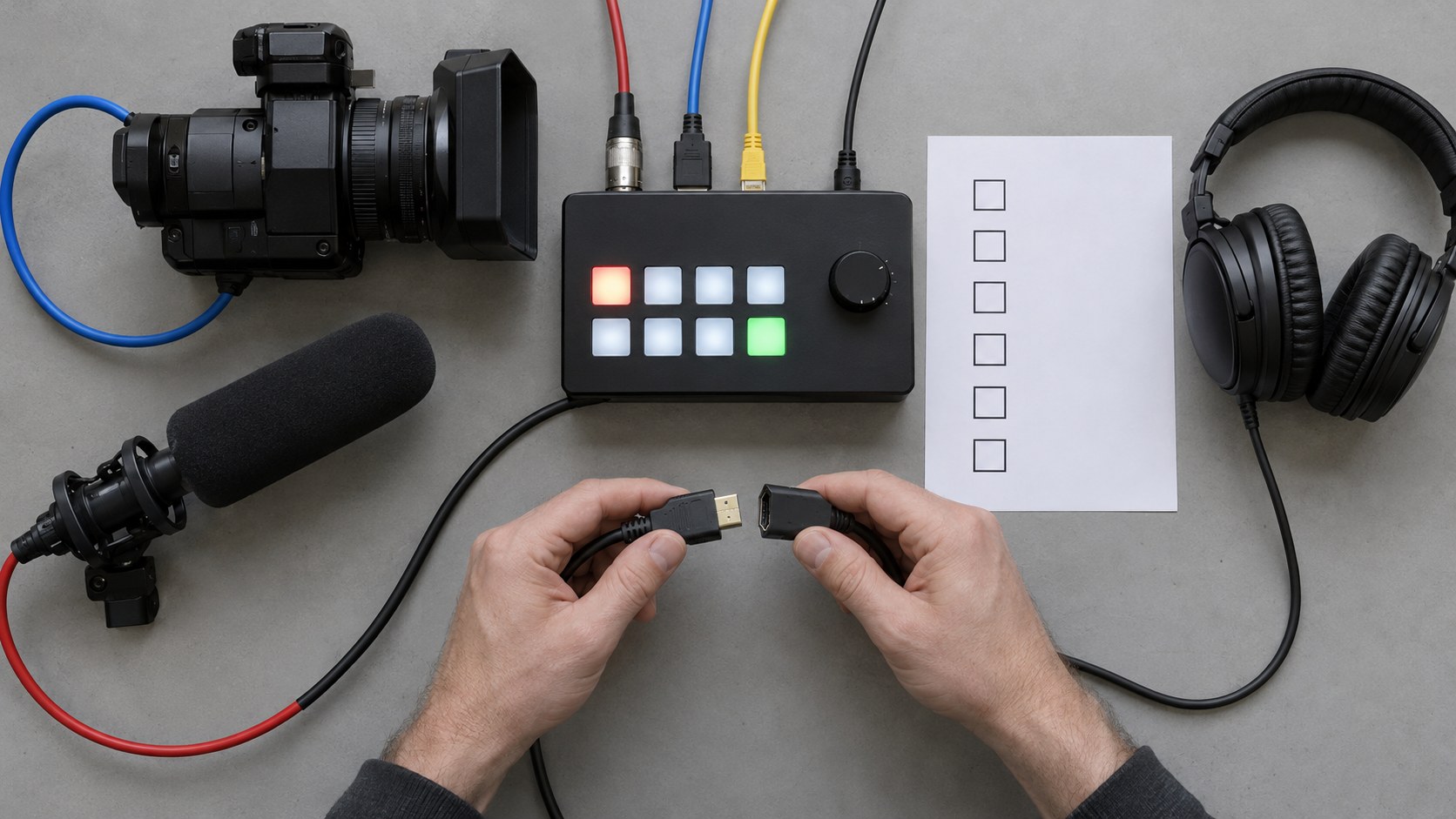
Private shows deserve an explicit decision tree. The operator might pause every public destination, continue with a compliant waiting scene, or decline overlapping requests; the permitted choice must be checked for each service. Write the sequence for accepting the request, changing scenes, muting or ending other feeds, notifying moderators, and restoring public rooms afterward. Without that sequence, the most valuable moment of the session becomes the moment most likely to cause confusion, accidental exposure, or a rule breach.
Does multistreaming add profitable revenue?
Measure incremental net revenue, not the combined top-line total. The relevant result is the money attributable to the added destination after its platform deductions, additional labor, software, administration, and any revenue lost when the original room receives less attention.
Use a matched comparison: record several ordinary sessions on the primary platform, then run comparable sessions with one added destination. Match schedule, show format, promotion, and session length as closely as practical. Track gross receipts by room, adjustments, platform deductions, moderator cost, technical cost, administrative time, missed paid requests, and interruptions. Also record service indicators such as response delays and unresolved moderation events. Revenue can rise while the underlying operation deteriorates.
Hypothetical assumption: across a trial, the added room produces $480 in gross receipts; platform deductions and adjustments are $190; extra moderation costs $80; software and routing cost $30; payout administration is valued at $40; and weaker attention reduces primary-room revenue by $90. The calculated incremental net revenue is $50: $480 minus $190, $80, $30, $40, and $90. That positive result is too small to celebrate blindly if complaints, missed requests, or compliance exposure increased.
Set acceptance criteria before seeing the result. Continue only when incremental net revenue is positive, the original room remains healthy, and the workload is sustainable. Then repeat the comparison across different schedule conditions, including the best time to cam for your established audience. The implication is that reach earns no special accounting treatment: a busy room that consumes attention but contributes little net value is an expensive ornament.

How should you run a controlled multistream trial?
Add one destination at a time, establish a baseline, rehearse failure handling, run comparable live sessions, and review both earnings and service quality before expanding. A staged trial makes the source of any gain or damage visible.
- Baseline the primary room: capture receipts, paid requests, interruptions, moderation events, and administrative work under the existing format.
- Map the experience: define greetings, tip acknowledgements, goals, private-request handling, blocked terms, and the authority of each moderator.
- Test privately: verify camera settings for camming, audio synchronization, encoder load, upload stability, and recovery after a destination disconnects.
- Go live conservatively: add only the selected destination, keep the established show format, and record incidents as they occur.
- Reconcile after every session: match platform statements to the event log and separate added receipts from displaced primary-room income.
- Decide deliberately: retain, redesign, or remove the destination using the prewritten acceptance criteria.
Do not merge chats into one undifferentiated river unless the tooling preserves each message's origin and platform-specific moderation controls. The performer should know where a request came from, whether it was paid, and which rules govern the response. A moderator may filter routine noise, but responsibility for the broadcast remains with the account operator. Your cam model microphone setup also needs a local monitoring path so an audio fault is detected before every destination faithfully distributes it.
End the trial with a short operating review: which room added net value, which interactions were missed, which incidents lacked an owner, and how long reconciliation took. Change one material variable before the next run. The verifiable next action is a documented retain-or-remove decision for the added destination, supported by its ledger and incident log rather than by peak viewer count.

When should you replace platform sprawl with your own service?
Consider an owned service when managing external rooms, incompatible rules, disconnected customer records, and separate payouts becomes a structural constraint. Multistreaming can test demand; it does not create ownership of the audience relationship.
Third-party discovery remains useful, but every added marketplace introduces another dependency. The operator cannot unify branding, customer history, monetization, moderation, or payment operations merely by sending the same video everywhere. A creator agency faces the same problem at larger scale: more performers multiply account access, scheduling, incident handling, and reconciliation. Choosing between a cam model agency vs independent operating model changes who carries that work, not whether the work exists.
Founders therefore reach a different decision from individual performers. The question becomes whether to keep assembling marketplace accounts, build streaming infrastructure from scratch, or launch a branded platform and customize it. Evaluate control of the domain and design, private and group interaction, pay-per-minute access, tips, premium content, direct payment integration, moderation, referrals, hosting, and technical support. Payment acceptance, performer verification, age controls, consent records, privacy, and local legal duties still require specialist review; software does not grant compliance by installation.
Scrile Stream is a white-label option for businesses that need branded webcam and video-chat software with WebRTC and RTMP streaming, private and group video, built-in chat, monetization tools, administration, and direct payment integrations. Custom development, design, hosting, and technical support are available. The next step is to map the successful trial workflow into platform requirements and identify which dependencies should remain external.
Turn a successful streaming workflow into an owned platform
Multistreaming is a sensible demand test, but multiplying marketplace accounts eventually produces fragmented operations. Once the trial identifies a repeatable show format, monetization flow, moderation model, and failure procedure, founders can specify what an owned service must do instead of buying features by guesswork.
With Scrile Stream, businesses can launch a branded webcam or video-chat service using white-label software, then pursue custom development where the operating model requires it. Private and group video, pay-per-minute access, tips, premium content, built-in chat, administration, and direct payment integrations can support a more controlled commercial relationship.
Frequently asked questions
What is multistream camming?
Multistream camming is the simultaneous broadcast of one live performance to more than one cam platform. Each destination still has its own viewers, chat, rules, paid interactions, moderation requirements, and payout records.
Is multistreaming allowed on every cam platform?
No universal rule applies. Check the current performer agreement, content policy, exclusivity provisions, and tool restrictions for every platform, and obtain clarification directly from the service when wording is ambiguous.
What equipment is needed to multistream camming?
A stable camera and audio chain, adequate upload capacity, capable encoding hardware or an approved routing service, destination-specific monitoring, and a tested fallback are the essentials. Validate the full setup under realistic load before broadcasting.
Can OBS be used for multistream camming?
OBS can produce and encode a broadcast feed, while distribution may require multiple configured outputs or a compatible routing service. Confirm that the chosen method is permitted by each destination and test its effect on system and network stability.
How should tips from several rooms be handled?
Keep tips and paid requests attributed to their originating platforms. Use room-specific event records, acknowledge them without confusing other audiences, and reconcile each record against the corresponding platform statement.
Should chats from multiple platforms be combined?
Only if the combined view preserves message origin, payment status, moderation controls, and platform context. Otherwise, separate views or a moderator are safer because identical-looking requests may require different responses.
When is multistreaming not worth it?
It is not worth retaining when incremental net revenue is negative, the primary room declines, paid requests are missed, moderation becomes unreliable, technical faults increase, or platform rules cannot be followed simultaneously.
When should a business launch its own webcam platform?
Consider an owned platform when repeat demand exists and third-party rules, fragmented customer data, branding limits, separate payouts, or inflexible monetization obstruct the business model. Compliance, payments, acquisition, and ongoing operations must still be planned.