
Quick answer
To set up a webcam business, define a paid offer and recruit creators who can deliver it consistently. Check the legal and payment requirements for your markets, then choose software around the complete session: discovery, payment, private access, billing, refunds and payouts. Launch with a limited audience and reconcile real transactions before expanding. Owning the site gives you control over branding and commercial rules; keeping revenue depends on demand, delivery costs and reliable operations.
How to set up a webcam business around an offer people want
A fan asking for a private session is a useful signal. It is not yet a business plan. If you are deciding how to set up a webcam business, start with what people will pay for, who will deliver it, and how you will bring those people back. Choose the platform after those answers begin to hold together.
Consider a hypothetical founder, Maya, a glamour creator whose followers ask for scheduled private video sessions. She initially imagines a busy public cam directory with other models available around the clock. Conversations with interested fans reveal a narrower demand: reliable access to her, clear prices and discretion. A large directory would give her more rooms to fill before proving why anyone would enter them.
Maya's better opening offer is a scheduled private-session service with invited adult creators whose availability and boundaries are explicit. She can explain what a booking includes, which requests are excluded and what happens if the connection fails. Adding performers later becomes a response to unmet demand. It no longer serves as camouflage for an empty homepage. Her promise must also fit the hours she actually wants to work.
Decide whether you are running your own creator site, a webcam studio business that supports performers, or a marketplace connecting independent creators with fans. A studio takes on recruitment, equipment and working arrangements; a marketplace needs reasons for both sides to join. If you only want to test your own paid content, operating a multi-creator platform may add work without improving the offer. Define the role before hiring anyone.
Set the boundaries before connecting payments
Your content rules, creator arrangements and customer locations shape whether the service can operate and get paid. Establish them before committing to development. A payment integration is useful only when the provider has accepted the actual activity, countries and money flow you intend to run.
For an adult service, obtain jurisdiction-specific advice on performer eligibility, identity and age checks, consent records, audience access restrictions, privacy and record retention. These are separate questions: confirming a performer's identity does not settle how viewers must be checked. The requirements depend on where the business, creators and users are located. Use age verification for adult streaming platforms to frame that separate access decision before agreeing to a launch scope.
Describe the real service to prospective processors: live adult or non-adult content, private sessions, tips, any stored balance, creator payouts and countries served. Ask for written acceptance and the proposed fees, reserve, settlement timing, refund treatment and dispute process. A reserve affects available cash even when it is not an expense. Do not promise creators a payout date based only on the date a customer sees a successful charge.
Maya needs creator agreements covering compensation, content use, recording permissions, account access and departure. Creators must be able to refuse requests without negotiating their safety during a paid session. Build reporting and removal procedures around that rule. Explain privacy limits honestly: blocking a recording button cannot prevent someone filming another screen.
Keep identity documents away from public creator profiles and limit administrative access to people who need it. Assign a person to respond to urgent reports whenever broadcasts are available. If approval, lawful access or moderation coverage remains unresolved, narrow the launch or postpone it. Buying more software does not resolve an unanswered operating question.
Follow a payment all the way to usable earnings
Owning the checkout does not mean keeping every dollar. Before choosing software, model what remains after refunds, creator compensation, payment costs and operating expenses. Then ask whether that remainder can fund customer acquisition and your own work. Use settled activity, not headline sales, as the starting point.
For Maya's hypothetical monthly plan, assume customer charges of $10,000 and refunds of $1,000, leaving $9,000 after refunds. Assume creator compensation is 60% of that remaining amount, or $5,400; total payment and dispute costs are $900; and software, hosting and support expenses total $1,200. These are illustrative assumptions, not price quotes or earnings forecasts. Assume no taxes are included in customer charges and no additional refunds or disputes remain outstanding.
| Stage | Amount | Decision it informs |
|---|---|---|
| Customer charges | $10,000 | Demand has to produce paid activity |
| Refunds | −$1,000 | Remove returned money before allocating earnings |
| Receipts after refunds | $9,000 | Basis for the assumed creator share |
| Creator compensation | −$5,400 | 60% of receipts after refunds |
| Payment and dispute costs | −$900 | Assumed total cost, counted once |
| Software, hosting and support | −$1,200 | Assumed operating expense |
| Remainder before acquisition | $1,500 | Still excludes founder compensation and tax |
| Customer acquisition spend | −$2,000 | Hypothetical campaign expense |
| Remainder after acquisition | −$500 | The campaign makes this month loss-making |
Under those hypothetical assumptions, the $9,000 remaining after refunds minus $5,400, $900 and $1,200 leaves $1,500 before acquisition, founder compensation and tax. If Maya then spends an assumed $2,000 acquiring those customers, the month ends at negative $500 on the same basis. Refunds have already been removed; deducting them again would understate the result. Creator compensation follows the agreed post-refund basis, not a percentage of the original charges.
This changes Maya's decision. A branded platform may still suit her, but advertising cannot be justified merely because sales exceed software costs. She needs evidence of repeat purchases, a less expensive acquisition route or a different offer before expanding that campaign. Track which customers return without another paid click. Keep money owed to creators and refundable customer balances separate in your records from money available to spend; the bank balance alone cannot explain the difference.
Use the same allocation with actual processor terms and a written creator agreement before making earnings promises. If sessions are billed by time, the private show monetization model helps resolve when charging starts and stops, which directly changes both customer receipts and creator compensation.

Choose software by testing the paid session
For a branded service with a defined offer, customizable white-label software is a practical route to evaluate. It provides an existing platform to adapt. A custom build makes more sense when a necessary workflow cannot be delivered that way and you can fund both development and continuing maintenance.
Give each shortlisted supplier the same demonstration scenario. A fan creates an account, pays, joins an available creator and loses connection during the session. Ask the supplier to show the charge stopping, the creator's earnings entry, the customer's receipt and the administrator's correction process. These are acceptance criteria you are proposing, not capabilities to assume from a feature list. A video call that works while everyone watches says little about billing when something breaks.
Private conversation needs responsive audio and video; a large public broadcast introduces different distribution and moderation demands. Ask suppliers to explain their delivery approach and demonstrate on your audience's devices and connections. For Maya, reliable private sessions take priority over a public-room feature she has not yet sold.
Ask who holds the domain and hosting accounts, what customer and transaction data can be exported, who maintains updates and how a supplier change would work. Put responsibilities and recurring charges in the contract. White label pricing helps you compare licensing, hosting, support and custom work over the same scope, beyond the setup price.
Do not buy a full marketplace simply to discover whether fans want your sessions. A smaller paid pilot can answer that question before a larger build. Conversely, a specialised workflow may require custom development rather than repeated compromises. Ask for a gap assessment against the session you intend to sell. Separate what works in the demonstration, what needs configuration and what needs new code, with acceptance evidence for each promised addition.
Recruit for availability, then earn repeat demand
Recruit creators who want the proposed work and can keep the advertised availability. Give them clear compensation terms, practical onboarding and control over their boundaries. Then attract fans to a specific live offer. An impressive roster cannot compensate for rooms that are unavailable when a visitor is ready to pay.
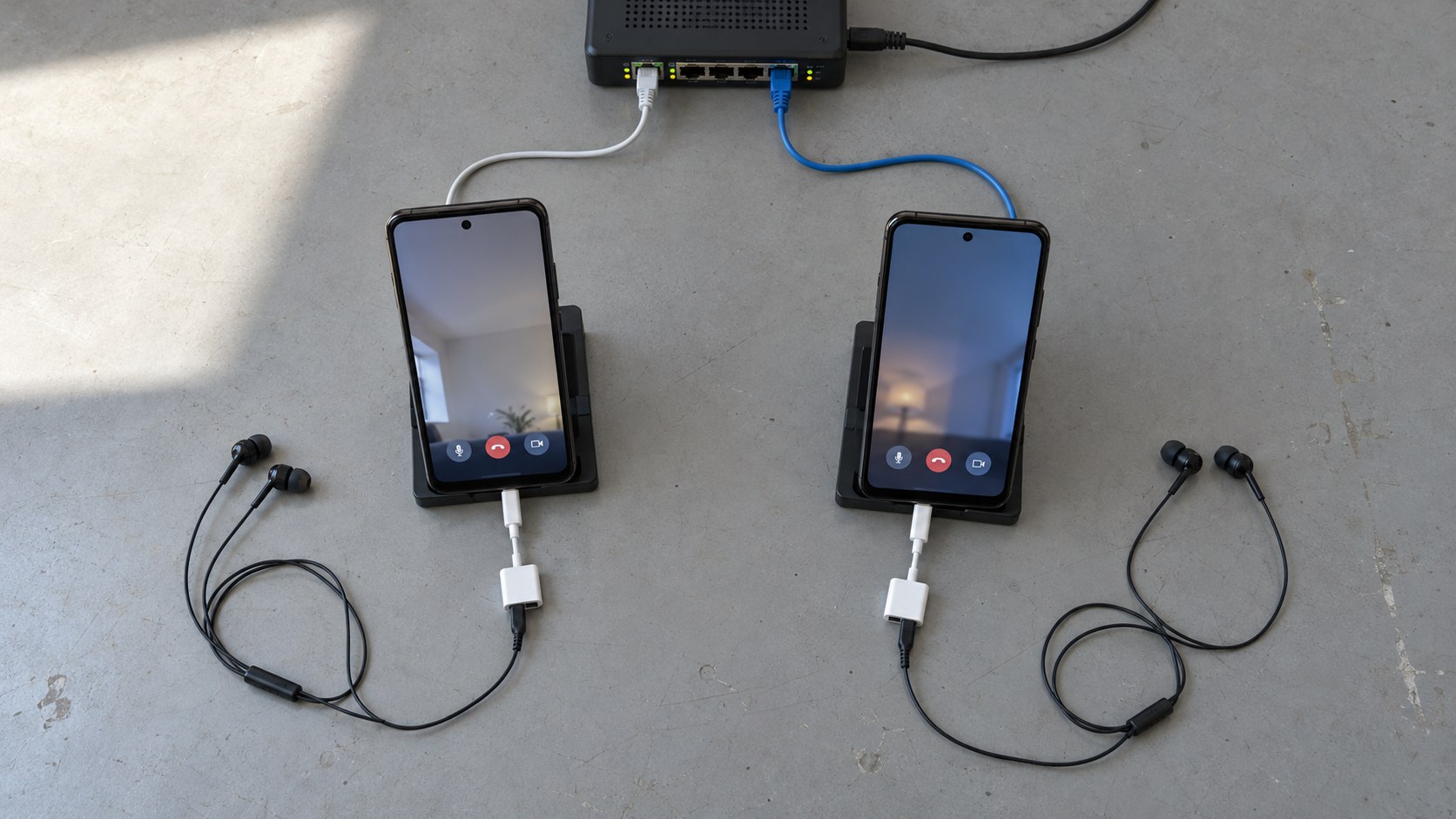
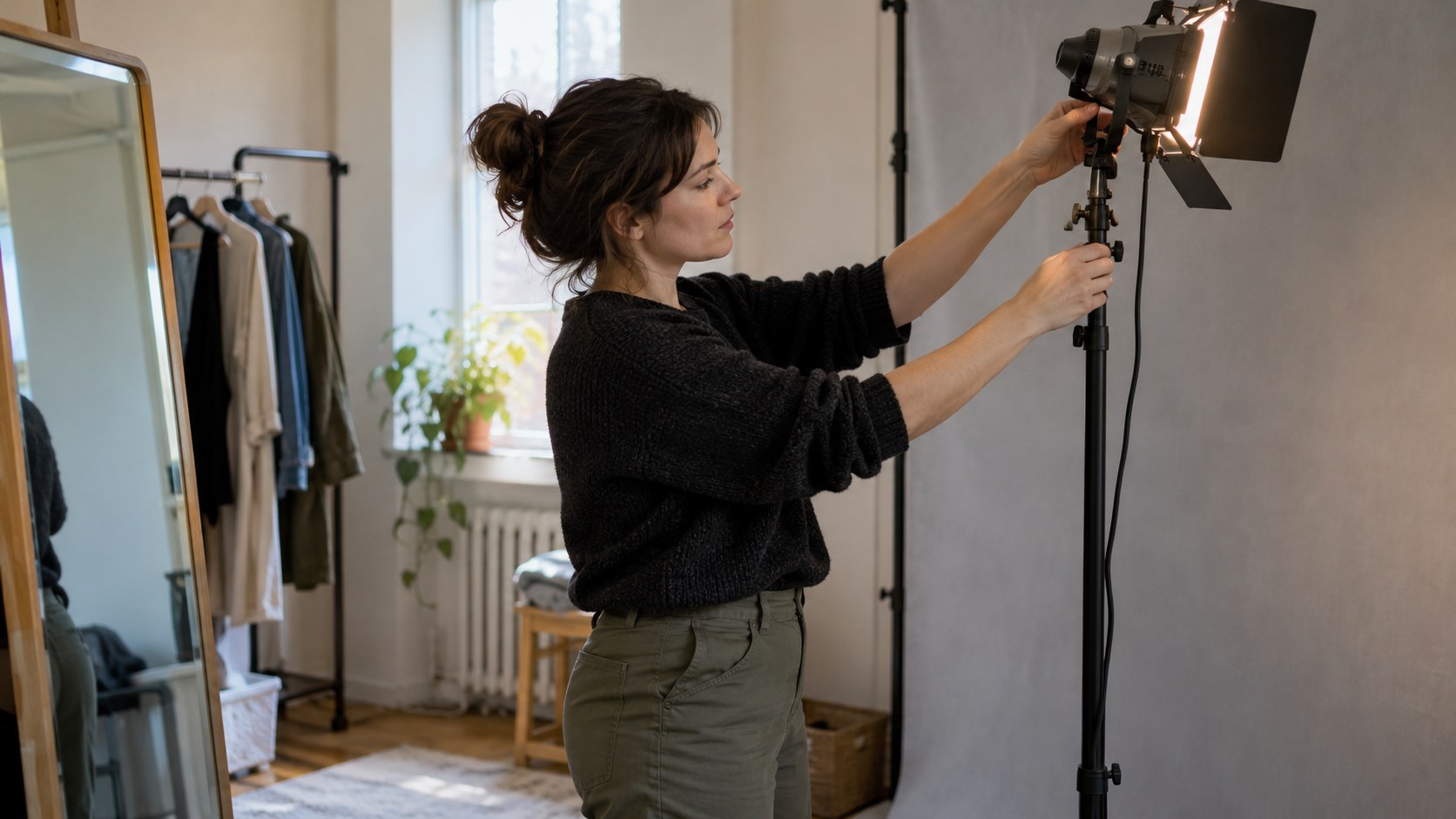
Maya can invite interested adult collaborators into a limited pilot, with their informed consent and no promise of guaranteed income. Each creator needs a working camera and microphone, suitable lighting, a private broadcasting space and a tested connection. Let them rehearse ending a session, blocking a user and contacting support. Agree who supplies equipment and whether any expenses come out of compensation. A flattering recruitment pitch is not a substitute for those terms.
Build around sustainable availability. Maya's audience may want her specifically; another creator is not automatically a substitute. Introduce collaborators through their own styles and offers. Let them choose their presentation, boundaries and stopping times. A service that requires people to perform beyond their comfort cannot deliver a dependable schedule.
Begin acquisition where you have permission to promote and an audience likely to want the offer. Publish accurate availability and a clear route from creator profile to paid access. Do not assume an existing platform permits moving its users elsewhere; check the terms before using it for promotion. The cam site traffic strategy for new operators is the next question once checkout works, because you need to distinguish visitors who merely browse from customers who return.
Ask departing fans whether availability, price or a technical failure caused them to leave. Those answers determine whether Maya needs more creators, a repaired booking flow or a different offer. Buying more traffic before learning the reason merely repeats the experiment at greater expense.
Launch only what you can verify
Use a limited release to prove the complete service before increasing traffic. The useful milestone is a paid session whose access, charge, creator earnings and customer support outcome all agree. A polished homepage is easier to demonstrate, but it does not establish that the business can deliver its promise.
- Write the offer, creator responsibilities, excluded content and intended markets. Resolve eligibility, consent, privacy and audience-access requirements with qualified advisers.
- Obtain processor acceptance and commercial terms for that exact service. Document who handles refunds, disputes, creator payouts and cash held back from settlement.
- Configure the smallest platform scope that delivers the offer. Assign responsibility for hosting, updates, reporting, moderation and support during advertised availability.
- Rehearse purchase, joining, connection failure, cancellation, complaints and payouts with consenting adults in an approved testing arrangement. Record expected outcomes before testing.
- Release to a limited invited audience, reconcile completed activity and ask creators and customers what failed. Expand only after the failures have owners and verified fixes.
For the next action, take a sample session through the proposed flow and match the customer payment, billed duration, refund if applicable, creator earnings and payout record. Record any differences and who can correct them. Use the processor's approved testing method before live charging. This produces something a supplier, accountant and operator can inspect together, rather than a vague verdict that the platform seems ready.
Maya's pilot answers a better question than whether her site looks established: can she deliver paid access reliably while leaving enough money to operate? Repeat customers and willing creators give her grounds to expand. If demand depends entirely on her presence, a focused creator business may be the better outcome.
Bring a tested session brief to the platform discussion
If your offer needs branded private and group video, paid sessions, tips and payment integrations, Scrile Stream is a customizable white-label platform to evaluate. It offers custom branding, hosting support and admin controls; Scrile also provides custom development and project management.
Bring your intended markets, creator compensation rules and session test to a consultation. Ask the team to distinguish existing functionality from configuration and custom work, then demonstrate the agreed flow. Explore Scrile Stream with that concrete brief so the discussion produces a reviewable scope.
Frequently asked questions
Can I start with my own webcam content before recruiting creators?
Yes. A focused creator site can test whether fans will pay for your offer and return. Recruit others when demand requires availability or experiences you cannot provide yourself, and agree compensation and boundaries before they join.
How much money do I need to launch?
Build a budget from actual quotes for software, payment processing, hosting, legal work, support and acquisition. Include cash held in reserves and money owed to creators. There is no reliable universal startup figure for every market and content model.
Does owning the website mean I keep all customer payments?
No. Refunds, creator compensation, payment costs and operating expenses still reduce what remains. Customer balances and amounts owed to creators are not spare cash, even when they appear in an account you control.
Should I start with token tipping or paid private sessions?
Choose the model that matches the offer. Tipping lets fans reward a performance, while paid private sessions sell defined access. Introducing a stored token balance also creates balance, refund and reconciliation questions to settle with your processor and advisers.
Can I use an ordinary payment gateway for adult sessions?
Do not assume acceptance. Describe the content, locations, billing and payout arrangements and obtain provider approval for the actual service. A technically functioning integration does not establish that the activity is permitted.
Does checking creator identity also verify viewers?
No. Creator identity and eligibility checks serve a different purpose from audience access controls. Determine the applicable requirements for both with jurisdiction-specific advice before opening the service.
Can I guarantee that private sessions will never be recorded?
No. You can set recording rules, restrict platform recording features and act on reported misuse, but another device can capture a screen. Explain those limits to creators before they agree to perform.
When is a custom build worth considering?
Consider custom development when a necessary workflow cannot be delivered through configuration and the expected business value justifies development and maintenance. Ask suppliers to demonstrate the exact gap before funding a larger build.