
Quick answer
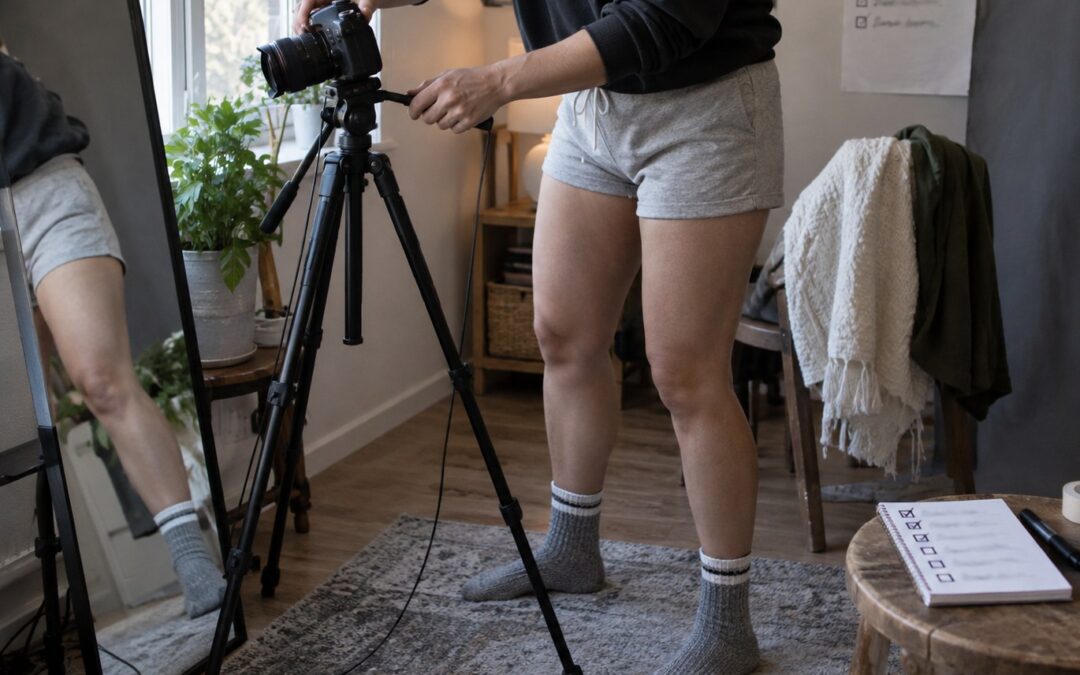
Faceless camming can attract paying viewers, but hiding a face is not the value proposition. A viable show replaces facial expression with a recognizable character, voice, framing style, activity, or interaction format. Choose one repeatable concept, remove every likely reveal path, and test whether viewers return and spend across several comparable sessions. Continue only if the format protects the performer without making the experience feel evasive or mechanically restricted.
Can a no-face show keep paying viewers interested?
Yes, when the missing face becomes part of a deliberate format. It performs poorly when viewers experience the camera angle as a restriction with nothing interesting offered in exchange.
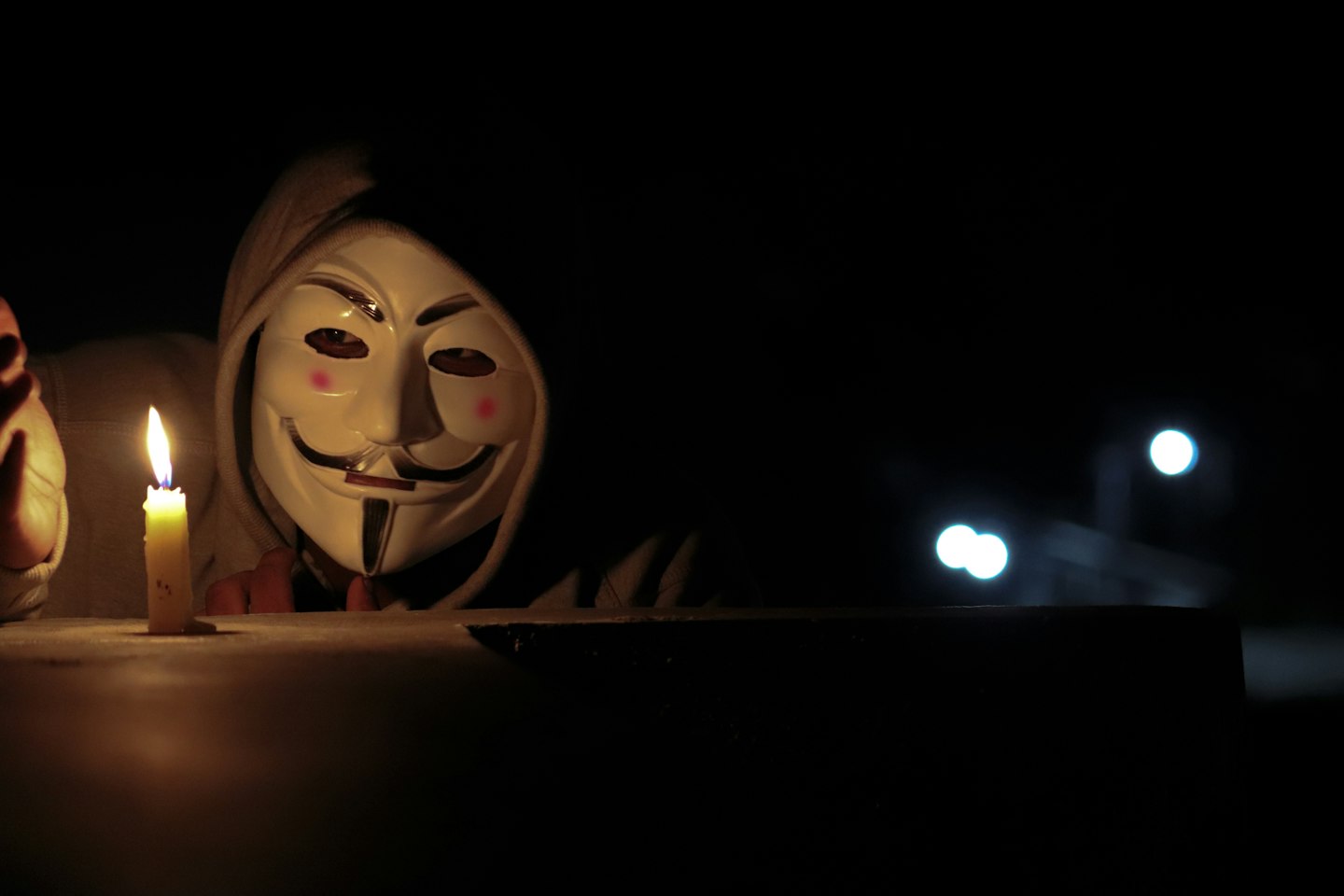
Live audiences pay for attention, responsiveness, anticipation, and a recognizable experience; a visible face is only one way to deliver them. A voice-led host can remember regulars, a masked character can create theatrical continuity, and a carefully framed performer can make movement or wardrobe the visual focus. The commercial question is therefore not “Can I hide my face?” but “What repeatable signal will make this room worth revisiting?” That distinction separates a privacy strategy from a camera pointed nervously at the ceiling.
- Identity: viewers can describe the character or show in one sentence without referring to the hidden face.
- Interaction: the performer can acknowledge requests, tips, and returning viewers without breaking the format.
- Range: the concept supports several show ideas rather than one pose repeated indefinitely.
- Safety: normal performance does not require constant, distracting checks that the face remains concealed.
Treat the format as a niche decision. Before buying props or building a persona, define the audience, promise, boundaries, and paid actions. The same discipline used to decide how to choose a cam model niche applies here: privacy matters, but a customer still needs a clear reason to enter, stay, and return.
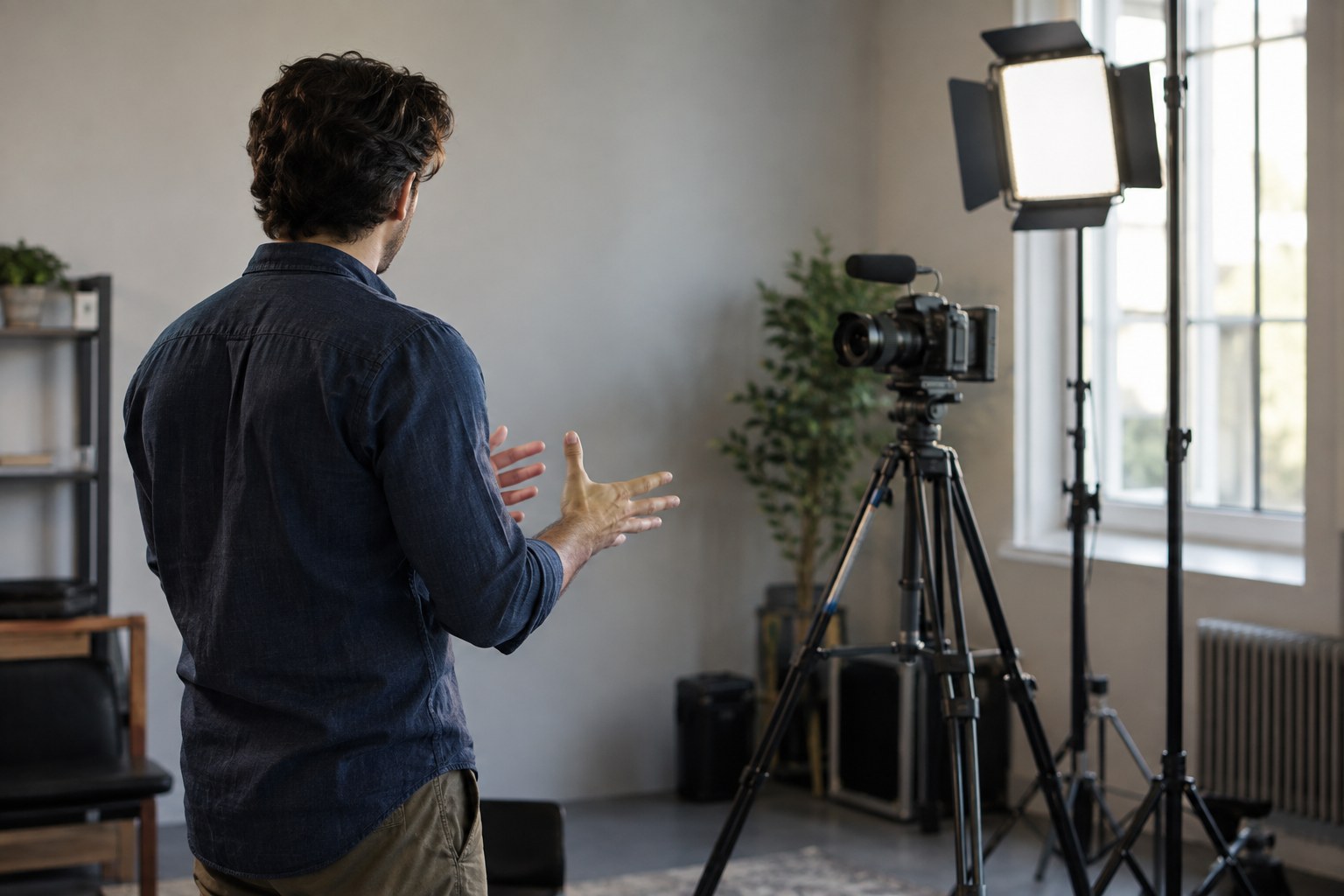
Consider two anonymous rooms with identical equipment. One simply crops the performer at the neck; the other uses a distinctive glove, warm vocal delivery, a recurring game, and consistent lighting. The first asks viewers to tolerate what is absent. The second gives them cues they can recognize and discuss. That does not guarantee demand, and some customers will always prefer visible expressions. It does produce a testable proposition: whether the chosen substitute for facial connection creates enough familiarity to support repeat visits and paid interaction.
Which faceless camming format fits the performer and audience?
Choose the format that balances audience connection, show variety, operational ease, and reveal risk. The most anonymous option is not automatically the safest or most marketable.
Score each option against the actual room, performer skills, and intended offer. A mask may preserve facial movement but creates recognition and comfort questions. Tight framing is simple until an energetic movement changes the shot. Character-led and voice-led formats require more preparation, yet they can turn anonymity into an asset. Use the matrix as a decision prompt, not a universal ranking.
| Format | Connection | Variety | Reveal control | Best fit | Main limitation |
|---|---|---|---|---|---|
| Fixed framing | Medium | Medium | Medium | Body, craft, or activity focus | Movement can escape the safe frame |
| Mask or veil | High | High | High | Theatrical or mystery-led shows | Heat, fit, and recognizability |
| Character-led | High | High | High | Recurring persona and themed shows | Preparation and consistency |
| Voice-led | High | Medium | High | Conversation, guidance, or storytelling | Audio quality carries the experience |
| Hands or object focus | Low–medium | Medium | High | Demonstrations and tightly defined niches | Narrow visual vocabulary |
Shortlist two options, then reject any that conflict with the performer’s natural strengths or boundaries. Someone who enjoys improvisation may sustain a character; someone with a strong conversational presence may prefer voice-led interaction. This is also where non nude camming concepts can supply activities that remain coherent without facial visibility.
How do you prevent an accidental face reveal?
Build privacy as a layered operating system: control the set, constrain the camera, inspect every output, and assume that live previews and recordings can expose what the performer misses.
The obvious risk is moving into frame. The less obvious risks are mirrors, windows, polished furniture, framed pictures, thumbnails, autofocus changes, a second camera, screen sharing, and recorded clips captured before the safe composition is restored. Clothing, tattoos, room details, voices, and recurring schedules can also identify someone even when no face appears. A complete plan for how to protect your privacy as a cam model must therefore cover identity clues as well as camera placement.
- Remove reflective objects and personal identifiers from the camera’s full field of view, including its widest possible framing.
- Lock the tripod, focus, zoom, and orientation; mark the safe floor area and test movements from every planned segment.
- Inspect the public preview from a second device rather than trusting only the broadcaster view.
- Check thumbnails, recordings, premium galleries, and promotional crops before publishing or enabling reuse.
- Create an immediate stop procedure: cover the lens, end the stream, preserve incident details, and review affected media.
Sound deserves equal attention because voice is often the main connection tool. Reduce household noise, disable spoken notifications, and test monitoring before going live. A dependable cam model microphone setup can improve intimacy without forcing louder speech that carries beyond the room.
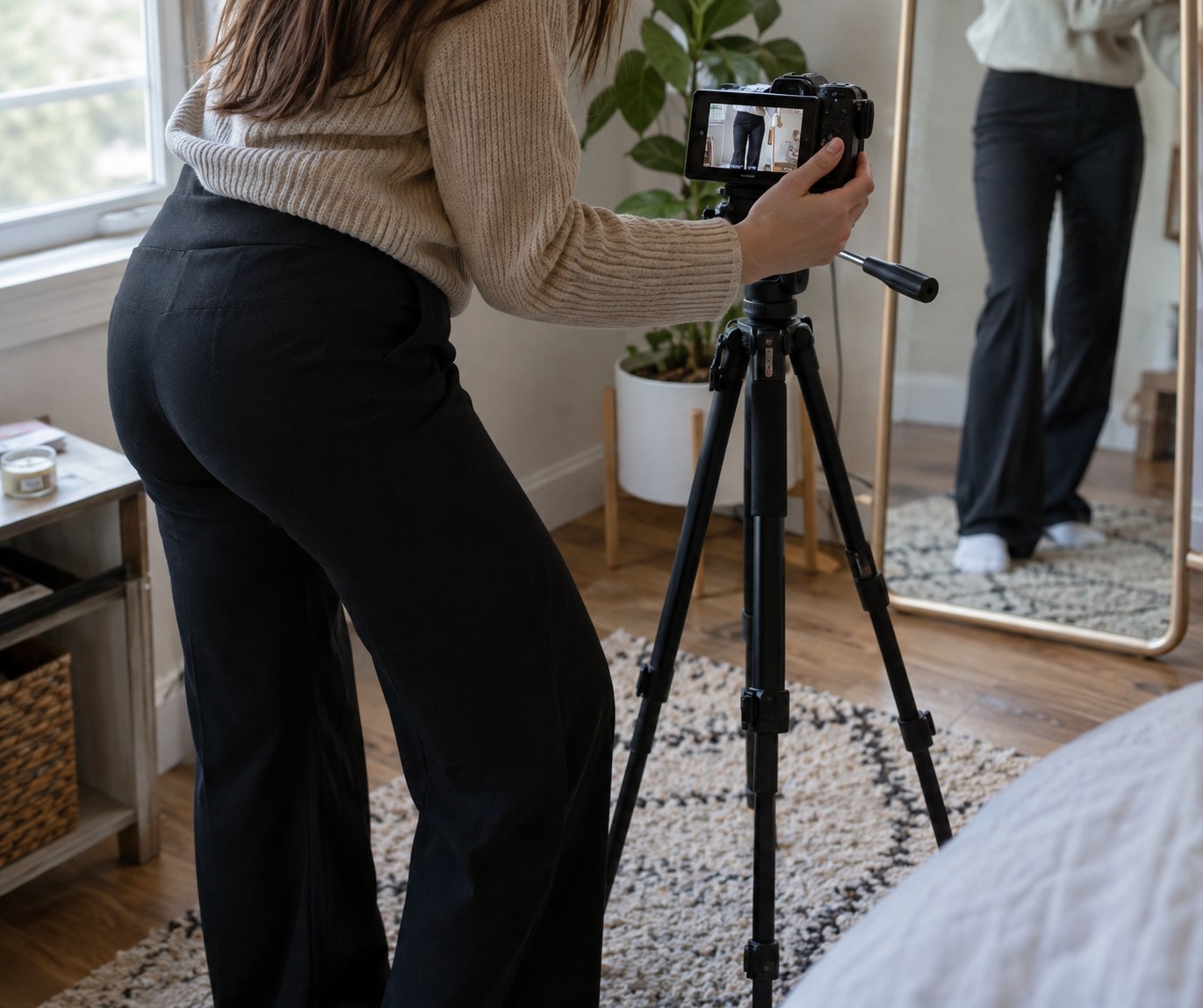
Run a red-team rehearsal before every new set or costume. Ask a trusted reviewer to watch a private test recording and search only for identity clues: a reflection during entry, a name spoken by another person, mail on a shelf, a distinctive tattoo, or a face appearing when the performer sits down. Review the first seconds, transitions, and ending separately because failures often occur outside the rehearsed center of the show. No checklist makes exposure impossible, so the performer must decide in advance what residual risk is acceptable.
How do you test commercial viability in two weeks?
Run comparable sessions with two shortlisted formats, record behavior rather than compliments, and decide using return visits, paid interactions, boundary pressure, and operational errors.
Use the first week to establish a baseline and the second to refine the stronger format. Keep session timing, promotion, duration, and basic pricing as consistent as practical. Change the presentation concept, not five variables at once. The point is not to forecast lifetime earnings from a tiny sample; it is to learn whether strangers understand the offer and whether delivering it safely is sustainable.
- Write one sentence describing each format’s audience promise and define prohibited requests.
- Prepare three show concepts for each format so variety is tested rather than assumed.
- Run three sessions per format and log unique visitors, returning viewers, paid actions, gross revenue, moderation events, and reveal near-misses.
- After the first week, keep the stronger concept and revise one weak element, such as the opening, voice routine, framing, or offer.
- At the end, continue only if the format shows repeat behavior, tolerable operating strain, and no unresolved privacy failure.
| Assumption | Format A | Format B |
|---|---|---|
| Sessions | 3 | 3 |
| Paid actions | 9 | 6 |
| Reveal near-misses | 2 | 0 |
| Paid actions per session | 9 ÷ 3 = 3 | 6 ÷ 3 = 2 |
In this hypothetical result, Format A earns more actions per session but creates two safety warnings. If those warnings arise from an unfixable movement requirement, Format B is the better operating choice. Revenue cannot compensate for a format that defeats its defining boundary.

When should a creator or platform operator commit to the format?
Commit when the show has a repeatable audience promise, a tested privacy workflow, and monetization that does not depend on breaking the anonymity boundary. Otherwise, keep it as an experiment.
Faceless formats are a poor fit when the core service depends on reading facial emotion, close eye contact, spontaneous movement across a large set, or identity-based celebrity appeal. They also require honest platform positioning: previews, private sessions, promotional media, and recordings must preserve the same promise. Operators should not market anonymity while leaving performers to discover unsafe defaults during a live broadcast.
- Select one primary format and document the persona, camera boundary, allowed interactions, and exit procedure.
- Build the set and complete a recorded privacy audit before accepting viewers or payments.
- Publish clear room expectations and align public and private offers with the same boundaries.
- Run the two-week validation plan, then retain, revise, or stop the concept using logged evidence.
- For a multi-creator service, turn the successful workflow into onboarding, moderation, media-review, and incident-response requirements.
The final platform decision concerns control. Public vs private cam shows create different framing, moderation, and monetization demands, so test both only when each can preserve the format. Founders building around anonymous creators also need configurable branding, payments, chat, streaming, and administration rather than a novelty mask placed over a generic marketplace.
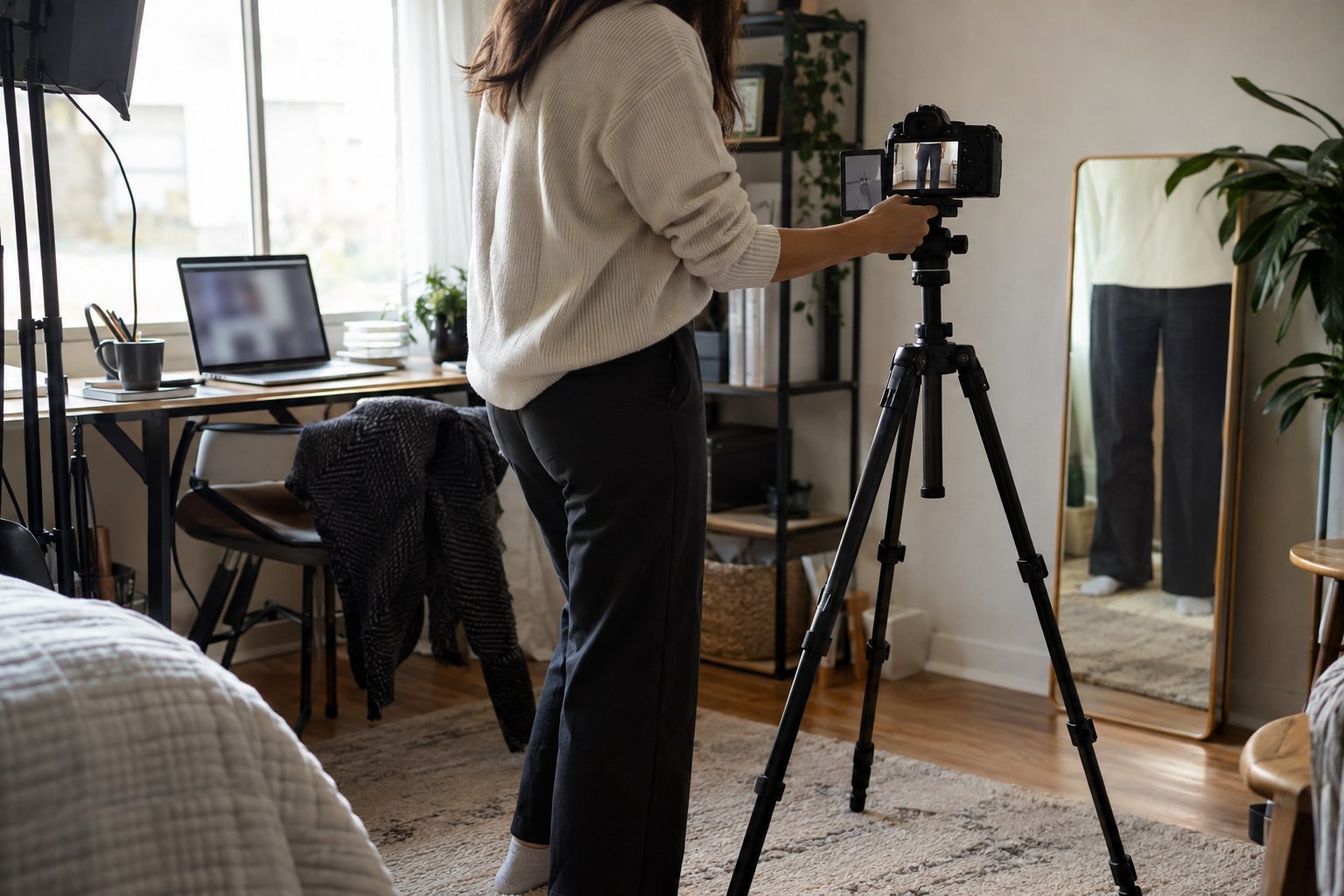
A single creator can manage this process with marked camera positions and a written preflight check. An operator onboarding many creators needs product rules that make safe behavior repeatable: clear broadcast previews, predictable media handling, moderation escalation, and offers that respect declared boundaries. Legal, age-verification, consent, recordkeeping, payment, and tax obligations still apply; anonymity from viewers does not mean anonymity from the platform or relevant authorities. Obtain qualified advice for every jurisdiction served.
Turn a proven anonymous format into an owned platform
Once testing shows that anonymous creators can attract repeat paying viewers without compromising their boundaries, the next constraint is usually platform control. The business needs streaming, chat, monetization, moderation, branding, and payment workflows that support the format consistently.
Scrile Stream is white-label webcam software for branded live streaming and monetized video sites. It supports private and group video chat, pay-per-minute access, tips, premium galleries, direct payment integrations, WebRTC or RTMP streaming, administration, and custom development. That makes it a practical starting point for an MVP and a route toward a more tailored service after the operating model is proven.
Frequently asked questions
Can you make money camming without showing your face?
Yes. Viewers may pay for conversation, character, movement, activities, private access, or recurring interaction. Commercial viability depends on a clear format and repeat engagement, not concealment alone.
What is the safest faceless camming format?
No format eliminates risk. A fixed hands-only or object-focused composition usually offers stronger visual control, while masks and wider body framing allow more expression but introduce additional failure points.
Is wearing a mask enough to stay anonymous?
No. Voice, tattoos, reflections, room details, location clues, reused usernames, payment records, and leaked recordings can reveal identity even when the face remains covered.
Do faceless performers need good audio?
Usually. When facial expression is absent, voice and sound often carry more of the connection. Clear audio also reduces repetition and makes live interaction feel more responsive.
Should prices be lower for a faceless show?
Not automatically. Price should reflect the experience, demand, interaction, and boundaries. Test a coherent offer rather than discounting solely because a face is not visible.
Can private shows remain faceless?
Yes, provided private-session framing, requests, recordings, and moderation preserve the same boundaries. State those limits before the paid session begins.
What should be tracked during a faceless camming test?
Track visitors, returning viewers, paid actions, revenue, boundary-pushing requests, moderation events, technical failures, reveal near-misses, and the performer’s operating strain.
Does a faceless cam site still need identity and age verification?
Yes. Hiding a performer’s face from viewers does not remove the operator’s compliance responsibilities. Requirements vary by jurisdiction, business model, content, and payment provider.