
Quick answer
To learn how to deal with trolls as a cam model, classify the behavior before responding. Ignore harmless attention-seeking, mute repeated disruption, ban harassment, preserve evidence of impersonation or doxxing, and report credible threats through the platform and appropriate local channels. Publish clear room rules, brief moderators in advance, and never reward abuse with a prolonged on-camera argument.
how to deal with trolls as a cam model: triage first
The correct response depends on what the viewer is doing, not how irritating they feel. Separate harmless disruption, boundary testing, harassment, impersonation, doxxing threats, and credible safety risks before deciding whether to ignore, mute, ban, document, or report.
Trolls seek different rewards. A bored viewer may want attention; a boundary tester wants to learn whether rules bend; a harasser wants distress or control. Impersonators and doxxers create a different problem because their conduct can follow a performer beyond the room. Treating every offender as equally dangerous exhausts moderators, while treating every incident as banter leaves serious risks undocumented. The useful criteria are repetition, specificity, access to personal information, movement across accounts or platforms, and signs that an offline threat may be actionable.
| Behavior | Typical signal | Immediate action | Preserve evidence? |
|---|---|---|---|
| Harmless disruption | Provocation without targeting or persistence | Ignore or redirect chat | Usually not |
| Boundary testing | Repeated demands after a rule is stated | Warn once, then mute | If repeated |
| Harassment | Targeted abuse, sexual coercion, or discriminatory attacks | Ban and report | Yes |
| Impersonation | Account or content presented as the performer | Restrict, capture details, report | Yes |
| Doxxing threat | Personal information exposed or threatened | End engagement and escalate | Always |
| Credible safety risk | Specific threat with plausible access, place, or intent | Secure yourself and contact appropriate help | Always |
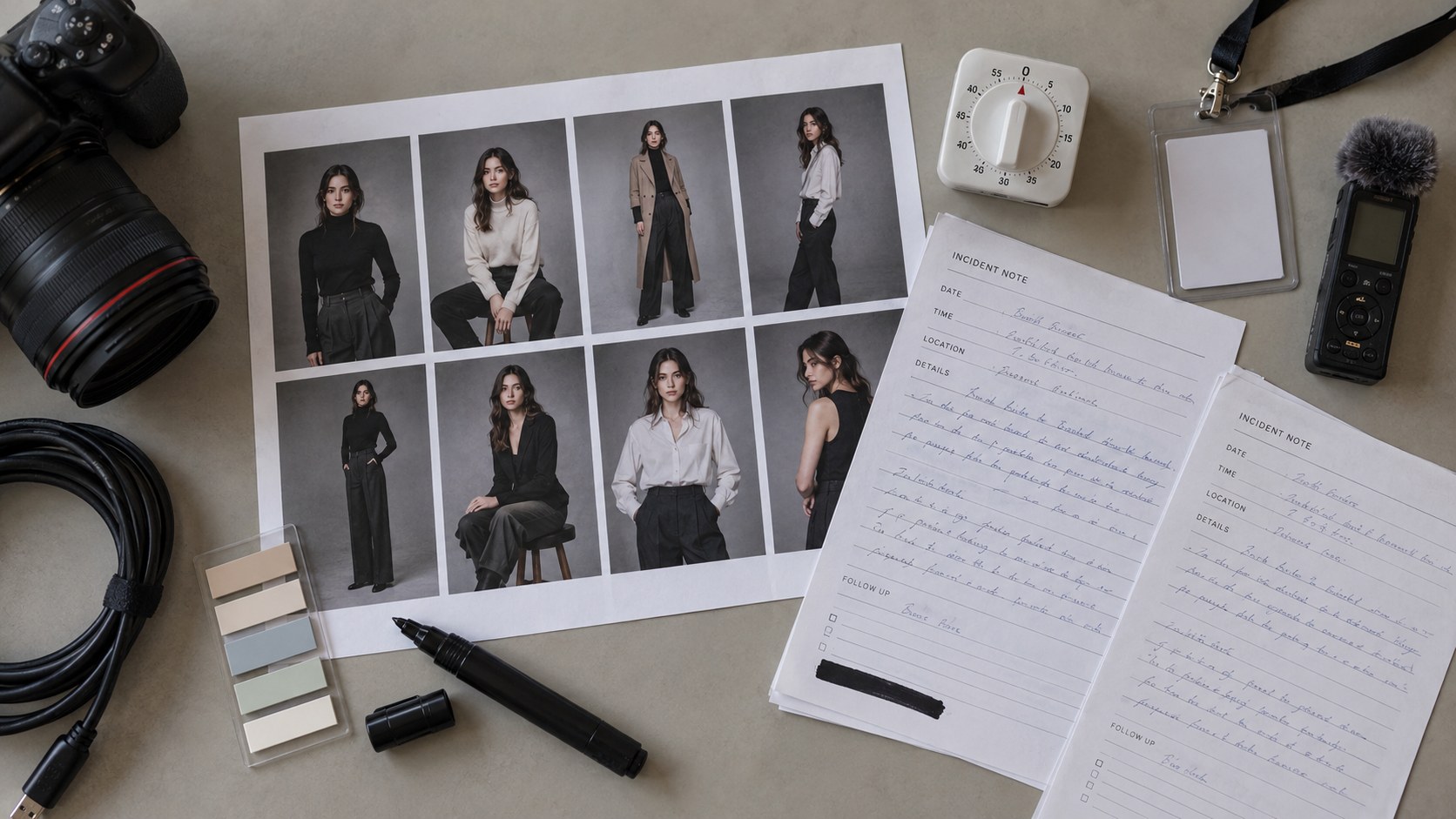
Adopt the least dramatic action that reliably stops the behavior, then escalate when new facts change the category. Silence is effective against bait, but it is not an adequate response to exposed personal data. The practical implication is simple: classify first, act second, and do not let an offender choose the emotional tempo of the show.
What rules and response ladder should a cam room use?
Publish short behavioral rules and pair them with a response ladder that moderators can apply without negotiating on air. Rules should describe prohibited conduct and consequences; they should not invite a courtroom debate with every viewer who discovers the ban button.
A workable room notice can say: “Respect the performer and other viewers. No threats, slurs, coercion, spam, impersonation, personal-information requests, or attempts to move around a block. Do not share identifying information. Moderators may remove content, mute accounts, ban users, preserve incident records, and report serious conduct.” Adapt the wording to the platform’s terms and your jurisdiction. Keep performance boundaries in the same visible place, particularly if your cam show tip menu or private-show offer could otherwise be misread as permission to demand unlisted acts.
- Redirect harmless disruption without naming or debating the viewer.
- State the applicable rule when boundary testing could be corrected safely.
- Mute repeated disruption so the room can continue without an argument.
- Ban harassment, coercion, evasion, or targeted abuse.
- Document impersonation, exposed personal information, and threats before content disappears.
- Report serious conduct through the platform and escalate credible danger to appropriate local support.
A warning is optional, not ceremonial. Skip it when the behavior involves a threat, doxxing, impersonation, severe harassment, or obvious ban evasion. Also avoid repeated public explanations: they convert moderation into free entertainment for the offender. The next action is to save the rules as moderator macros and rehearse the point at which control passes from performer to moderator.
Rules also protect revenue because they make the room predictable for ordinary viewers. Regulars should not have to compete with an abusive account for the performer’s attention, and moderators should not confuse generous spending with immunity. The same principle supports efforts to convert cam viewers into paying customers: attention follows constructive participation and paid experiences, not escalating misconduct. A large tip may purchase the listed interaction; it does not purchase an exemption from consent, privacy, or room policy.
How does the process work during a real incident?
During an incident, separate show continuity from risk handling. The performer protects their immediate safety and avoids engagement; the moderator controls chat, captures identifiers, and records what happened. A single person should not perform, investigate, and improvise policy simultaneously.
Consider a hypothetical scenario with these explicit assumptions: a viewer begins with repetitive insults, is muted, returns under another account, and then posts a detail that appears connected to the performer’s private routine. The moderator first removes the message and bans the new account. Because the conduct has shifted from disruption to possible doxxing, the moderator captures the exact wording, account identifiers, timestamps, relevant profile links, and surrounding chat context. The performer stops discussing location, checks whether the detail is visible publicly, and moves to a safe place if the threat appears immediate.
- Preserve original context without reposting private information more widely.
- Record account identifiers, time, platform, actions taken, and witnesses.
- Check linked accounts for impersonation or coordinated ban evasion without contacting the offender.
- Notify the platform, agency, or designated safety contact through its official process.
- Secure exposed accounts, location clues, and access points.
- Contact appropriate local emergency or legal support when danger appears specific or imminent.
The key decision is the category change. The first insult did not justify an investigation; the combination of ban evasion and private-context information did justify preservation and escalation. The show may resume only if the performer feels safe and the moderator can contain further accounts. Revenue from the session is secondary to preventing a manageable incident from becoming an uncontrolled one.
What should a moderator know before the stream starts?
A moderator needs explicit authority, performer boundaries, escalation contacts, and instructions for protecting evidence. “Keep chat friendly” is not a briefing; it is a hope wearing a headset. Define what the moderator may decide alone and what requires ending or pausing the stream.
Create a briefing sheet containing the performer’s hard boundaries, prohibited topics, approved chat macros, mute and ban criteria, known repeat offenders, privacy risks, account-recovery contacts, and the signal used to pause a show. Add where incident records belong, who may access them, and who decides whether to report externally. If an agency supplies moderation, clarify responsibility rather than assuming it; the broader cam model agency vs independent decision often changes who owns accounts, evidence, procedures, and communication with the platform.
- Confirm the current room rules and performer boundaries.
- Test moderator permissions using a nonpublic account or safe environment.
- Review known risks without exposing unnecessary personal information.
- Agree on discreet signals for redirecting, muting, pausing, and ending the show.
- Confirm the incident-record location and escalation contacts.
- Run a short verbal rehearsal covering disruption, harassment, and a credible threat.
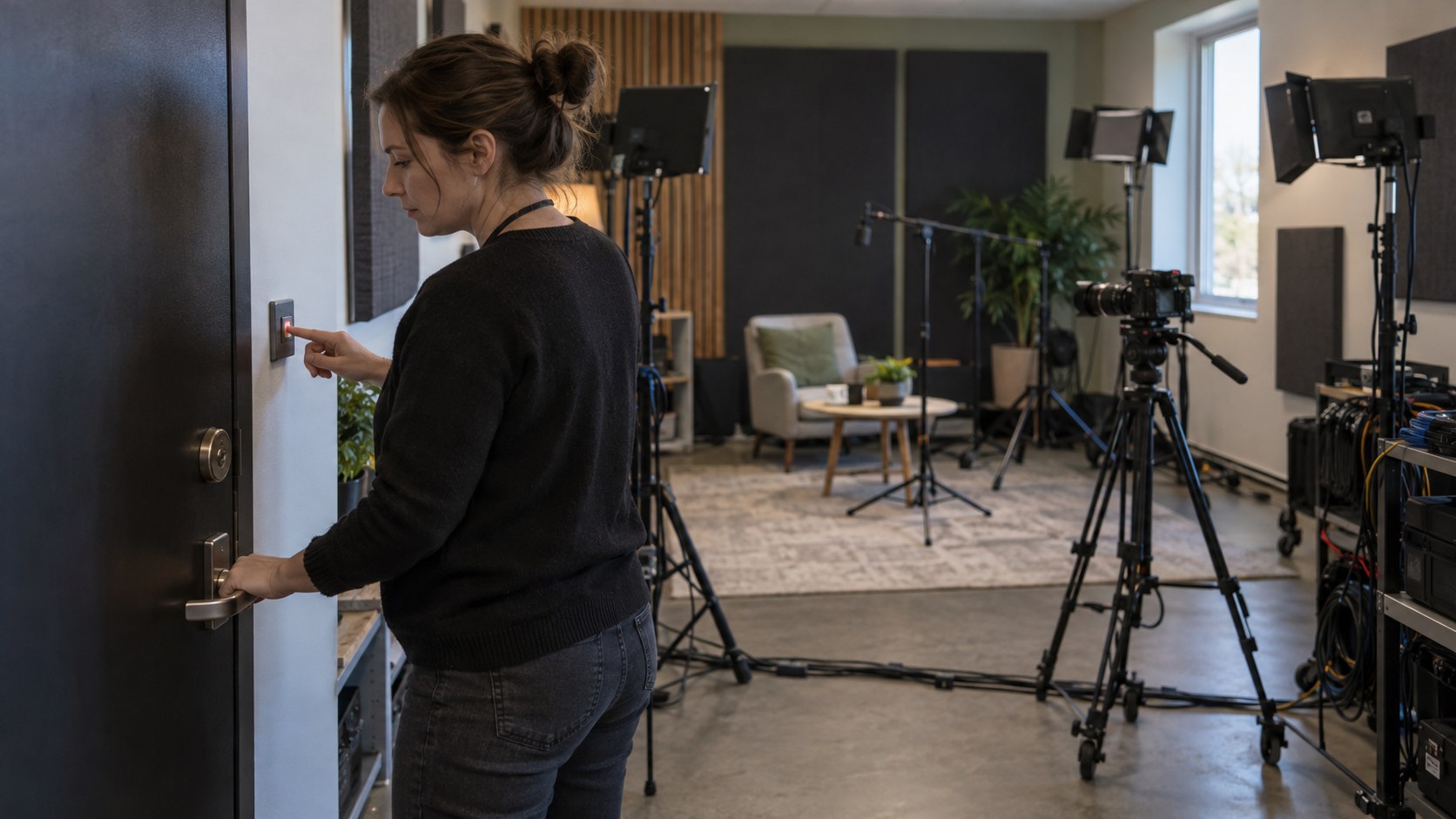
Permissions should match responsibility. A moderator expected to stop harassment must be able to mute and ban promptly, while access to identity records, payouts, or private messages should remain limited to operational need. Review incidents after the stream to refine rules and tooling, not to grade the performer’s composure. A system that depends on perfect calm under attack is not a system.
How should creators and platform owners implement safer moderation?
Turn the response ladder into product operations: visible rules, role-based moderation, rapid account restrictions, incident records, reporting routes, privacy controls, and rehearsed escalation. Creators need usable controls during a live show; operators need enough context to review serious conduct consistently.
Start by mapping each behavior category to an authorized action and evidence requirement. Configure separate performer, moderator, and administrator permissions. Provide clear mute, ban, report, and block-evasion workflows, then test them under live conditions without exposing real users. Define how incidents are retained and accessed, review privacy and age-verification obligations with qualified advisers, and confirm external reporting routes for every geography served. When creators start your own cam site, this operating layer matters as much as streaming quality because ownership also transfers responsibility for safety decisions and user data.
- A performer can stop interaction without searching through menus.
- A moderator can act without accessing unrelated private or financial data.
- Account restrictions and reports retain enough context for review.
- High-risk incidents have a named owner and reachable escalation route.
- Privacy, retention, age-assurance, and reporting procedures have been reviewed for applicable jurisdictions.
- Creators receive rules, onboarding, rehearsal, and post-incident support.
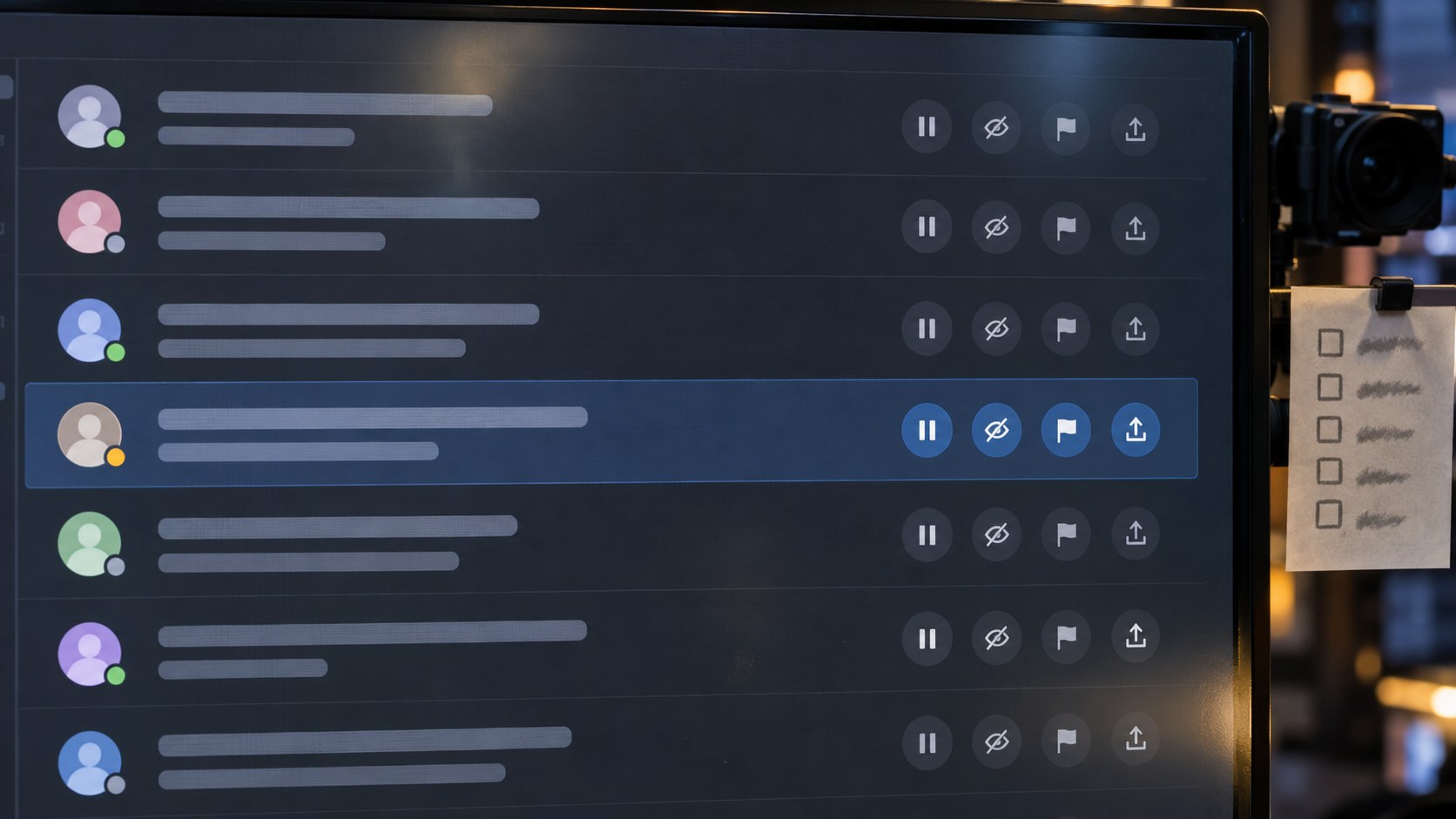
Software cannot determine whether every threat is credible, replace local emergency services, or resolve jurisdiction-specific legal duties. It can reduce hesitation, constrain access, preserve context, and make escalation repeatable. The verifiable next action is a moderated test stream in which the team runs each behavior category and records whether the correct person can complete the required action safely.
Own the room and the response system
Troll control becomes manageable when creators are not forced to invent policy while performing. Clear categories, proportionate actions, prepared moderators, controlled evidence, and rehearsed escalation protect both the performer and the legitimate audience.
For businesses building a branded streaming service, Scrile Stream combines white-label live streaming, monetization, chat, payments, administration, and custom development options. Use the same planning conversation to define moderation roles, private and group experiences, and the operational controls your niche requires.
Frequently asked questions
Should a cam model respond to trolls?
Usually not beyond a brief rule reminder when correction is safe. Ignore attention-seeking, mute repeated disruption, and ban targeted abuse; prolonged arguments reward the behavior and derail paying viewers.
When should a troll be banned immediately?
Ban immediately for threats, doxxing, impersonation, coercion, discriminatory harassment, severe abuse, or attempts to evade an existing restriction. A warning is not required when it would increase risk.
What evidence should a cam model save?
Preserve the exact message, surrounding context, account identifiers, timestamps, profile links, prior related incidents, and actions taken. Restrict access and avoid republishing exposed personal information.
What should I do if a viewer threatens to dox me?
Stop engaging, remove the content, preserve evidence, check what information may be exposed, secure relevant accounts and location clues, and report the threat. Seek appropriate local help if the danger is specific or imminent.
Can moderators handle trolls without interrupting the show?
They can handle ordinary disruption when permissions, rules, and signals are established beforehand. The show should pause or end when the performer feels unsafe or the incident involves credible offline risk.
How can cam models prevent ban evasion?
Use available account restrictions and reporting tools, record linked incidents, avoid publicly explaining detection methods, and ask the platform to investigate recurring accounts. No control can guarantee complete prevention.
Do high-spending viewers get more warnings?
No. Spending does not override consent, privacy, room rules, or safety. Apply the same behavior categories and consequences regardless of a viewer’s purchase history.
When should a cam model contact authorities?
Contact appropriate local emergency or law-enforcement services when a threat appears immediate, specific, and credible, or when personal safety is in danger. Legal reporting duties and available remedies vary by jurisdiction.