
Quick answer
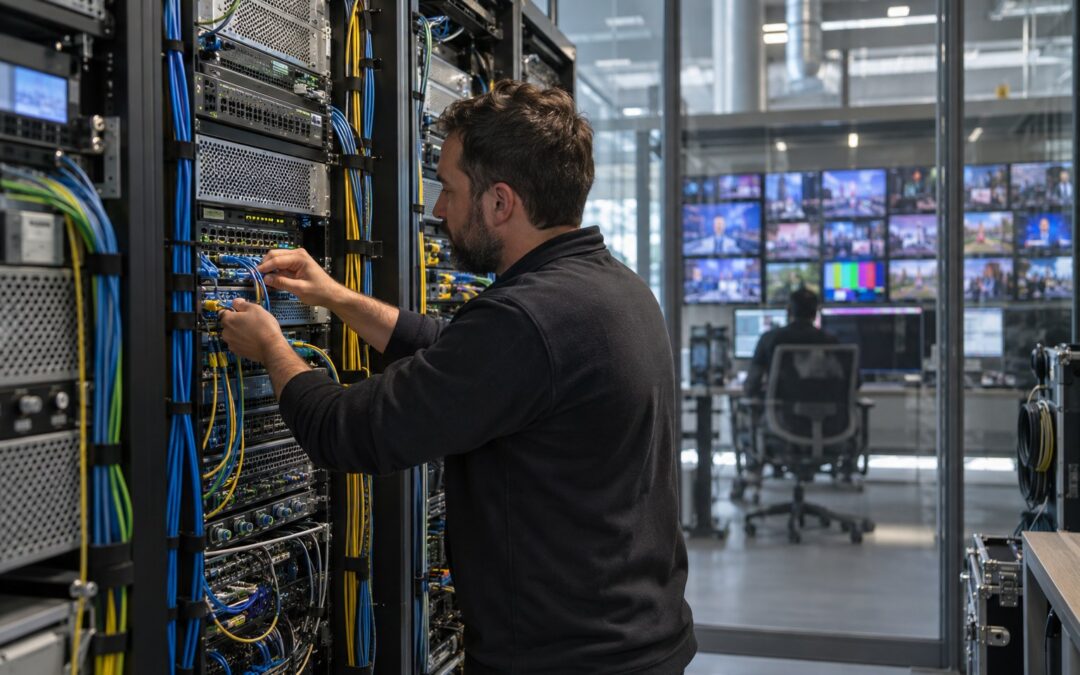
Live streaming Android app development should begin with the smallest native client that completes your revenue loop reliably. For a viewing service, that means authentication, stream discovery, adaptive playback, chat, access control, and telemetry. A creator marketplace also needs camera publishing, device switching, interruption recovery, moderation, and payout-aware transactions. Keep identity, entitlements, payments, and session state in the shared backend rather than rebuilding the business inside the app.
Live Streaming Android App Development Starts With the Revenue Loop
Build the Android app around one complete commercial interaction, not around a catalogue of mobile features. Decide whether the first release must let people watch, broadcast, or do both; then include only the capabilities needed to discover a session, enter it, interact safely, pay where appropriate, and recover from failure.
A working website already proves more than video transport. It contains identity, creator profiles, access rules, moderation states, entitlements, and transaction history. The Android client should consume those platform services through stable APIs. Reimplementing them on the device creates two versions of the business, which is an unusually expensive way to discover that a blocked user can still join from a phone. If the web foundation is incomplete, resolve that before commissioning the app; the same dependency map also matters when deciding how to create a live streaming website.
| Operating model | Minimum mobile scope | Defer unless proven necessary |
|---|---|---|
| Viewer-led broadcasts | Sign-in, discovery, adaptive playback, chat, access checks, reporting | Camera publishing and creator controls |
| Paid consultations | Booking handoff, private room, two-way media, session status, payment entitlement | Public feed and casting |
| Creator marketplace | Viewer flow plus publishing, moderation, earnings state, interruption recovery | Editing studio and elaborate social features |
| Corporate or classroom streaming | Restricted access, playback, attendance events, presentation continuity | Tips and public creator discovery |
The table is a sequencing tool, not a permanent product boundary. Choose the row closest to the transaction that funds the service and write a release acceptance test in plain language: the intended user can enter, complete, and leave that transaction without opening the website. Everything else must justify the risk it adds to that test.

How Should You Choose Playback and Publishing Technology?
Choose playback and publishing separately. Use an Android-native playback layer for viewer sessions, then add WebRTC for interactive rooms or an RTMP publishing path for one-to-many broadcasts when the backend requires it. Protocol choice follows latency, participation, scale, and existing infrastructure; it should not follow whichever SDK produced the prettiest demo.
Viewer playback must handle adaptive media, audio focus, captions where supplied, surface changes, and recoverable network errors. Publishing has a different burden: camera capture, microphone routing, bitrate adaptation, orientation, thermal pressure, and reconnect logic. Hiding both behind one convenient abstraction can speed up a prototype but makes production faults difficult to isolate. Treat the SDK as replaceable infrastructure behind your own session interface, and verify that its codecs, authentication model, analytics hooks, and release cadence fit the service.
- Map each session type to its required latency and direction: playback, broadcast, or two-way conversation.
- Confirm that the Android client can authenticate against the existing session and entitlement APIs.
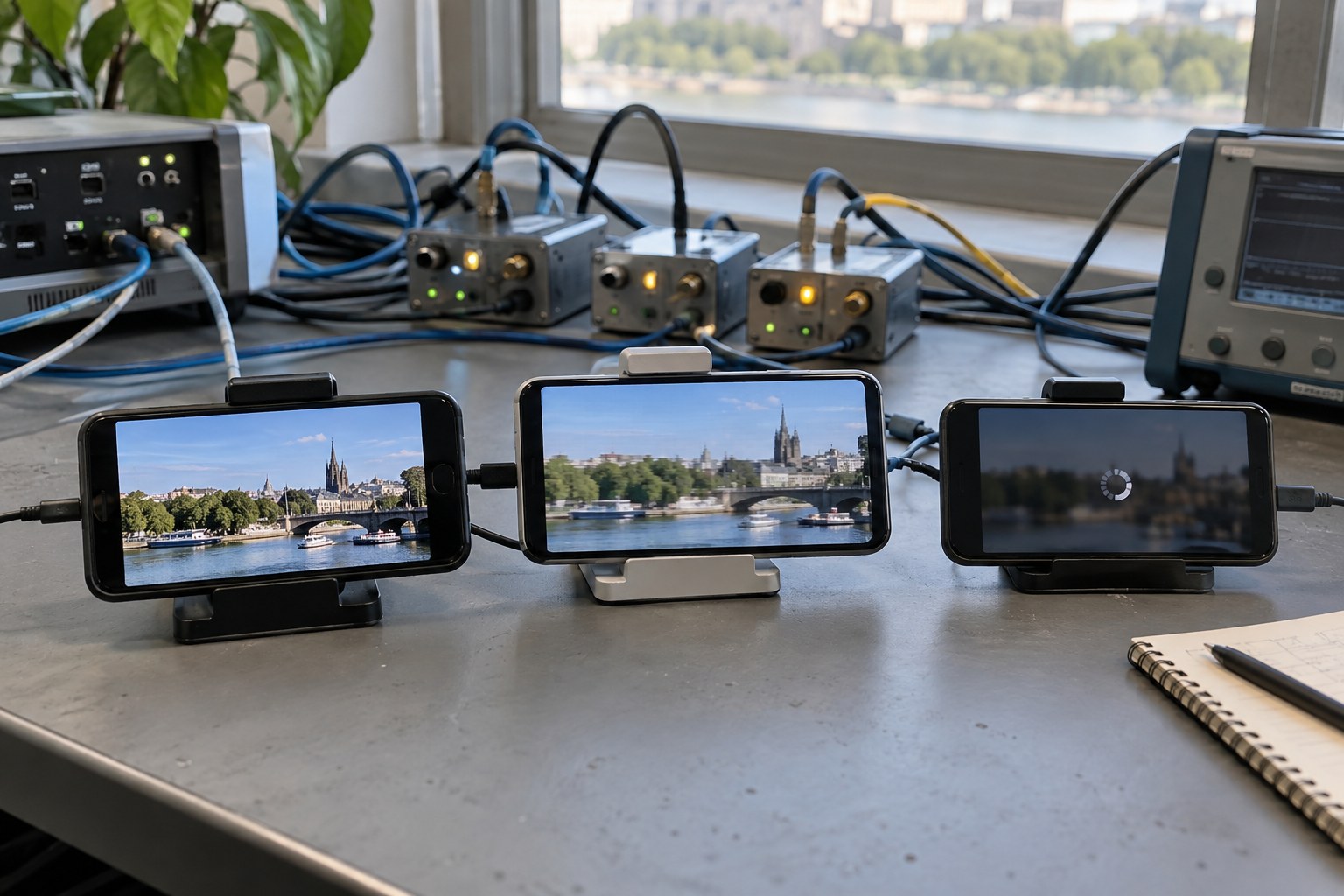
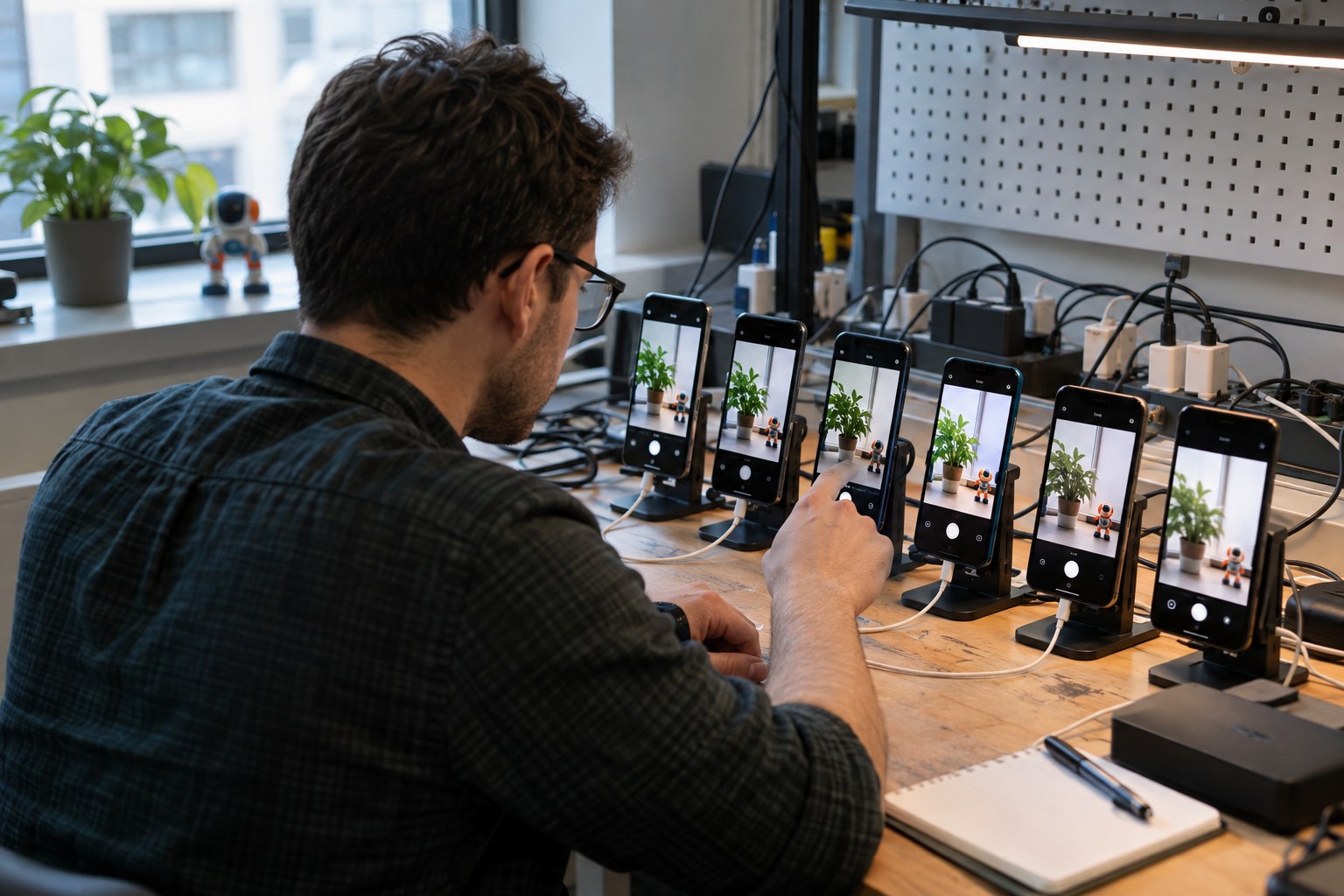
- Test decode and publish behavior on low, middle, and high device classes under stable and impaired networks.
- Record startup, buffering, reconnect, media failure, and session-end events with consistent identifiers.
- Add picture-in-picture or casting only after rights, privacy, and continuity rules are explicit.
A useful worked test assumes three device classes, two network states, and two roles: viewer and broadcaster. Multiplying 3 × 2 × 2 creates 12 primary paths before permissions, rotation, calls, or backgrounding are considered. Passing one flagship phone on office Wi-Fi therefore proves one path, not the application. Use this matrix to define release evidence and to expose whether your video streaming infrastructure returns errors the client can actually recover from.
What Makes a Stream Behave Like a Real Android App?
A production app must preserve a truthful session state while Android changes its screen, process, audio route, permissions, and network. Design lifecycle behavior before polishing the player. Otherwise a stream that looks excellent in a controlled demonstration can duplicate sessions, leak camera resources, lose chat state, or keep charging after the user thinks it ended.
Define the expected result for rotation, app switching, screen locking, process recreation, incoming calls, Bluetooth changes, and network handoffs. Viewer playback may continue through picture-in-picture when policy allows; camera publishing usually needs a more explicit foreground state and visible user control. The server, not the screen, should decide whether a paid room remains active. The app should restore from a session identifier and current backend state rather than trusting an old local timer.
Ask for camera and microphone access at the moment their purpose is clear, and provide a useful route when permission is denied. A viewer should not need camera access merely to watch. A broadcaster should see a preflight check for capture, audio route, connection, and account eligibility before going live. Background behavior, notifications, picture-in-picture, and casting must also respect content rights and room privacy. For sensitive consultations or paid private shows, disabling a convenient feature can be the more professional decision; this is where secure live streaming becomes an operating rule rather than a lock icon.
- Make join, reconnect, end, and chargeable-session states explicit and idempotent.
- Release camera, microphone, player surfaces, and audio focus when their owning state ends.
- Return users to the correct room after process recreation only when access is still valid.
- Test wired, speaker, Bluetooth, and interrupted audio routes on physical devices.
- Give support staff a session identifier that connects client events to backend events.
Where Do Billing, Compliance, Moderation, and Telemetry Belong?
Keep commercial and safety authority in the backend, while letting the Android app present and enforce the current result. Product access, payment status, creator earnings, age or eligibility checks, blocks, and moderation actions must remain consistent across web and mobile. Store policy, processor terms, card-network rules, and local law are separate constraints and all require review.
Map every paid action before designing checkout. A subscription, digital entitlement, tip, private session, and booking may not share the same permitted purchase route or refund logic. The correct implementation depends on the product, distribution channel, jurisdiction, and current platform rules, so obtain specialist review rather than disguising one transaction as another. The app should receive signed or server-verified entitlement state and render it; it should not declare access solely because a local purchase screen reported success.
Moderation needs equally concrete plumbing: report, block, mute, evidence reference, escalation status, and an admin-side audit trail. Adult and other restricted services also need defensible age, identity, consent, recordkeeping, and geographic controls appropriate to their operation. Telemetry should connect these controls to stream quality without capturing private message content or unnecessary personal data. Track join outcome, playback start, reconnect, buffering, publish failure, moderation action, purchase state, and clean session termination under a shared session key.
| Decision | System of record | Mobile responsibility |
|---|---|---|
| Access to a paid room | Backend entitlement service | Request state and explain denial |
| Chargeable session status | Backend session ledger | Display current state and send idempotent events |
| User block or suspension | Moderation service | Prevent entry and offer the permitted next step |
| Stream failure | Media services plus telemetry | Recover safely or end with a diagnosable reason |
What Is the Safest Path From Web Stream to Store Release?
Ship through evidence gates: stabilize backend contracts, prove viewing, prove publishing if required, harden Android lifecycle behavior, validate commerce and safety, then expand a staged release. Store submission is the final verification boundary, not the first time the team reads distribution rules. Each gate should have an owner, acceptance evidence, and a rollback condition.
- Freeze versioned contracts for authentication, discovery, session state, entitlements, chat, moderation, and telemetry.
- Build the viewer path with adaptive playback, clear errors, accessibility basics, and observable startup and recovery.
- Add broadcaster capture only if the first revenue loop requires it; test camera switching, audio routing, interruption, and reconnect.
- Validate payment boundaries, account deletion, privacy disclosures, restricted-content controls, support routes, and moderation operations.
- Run the device-network-role matrix, internal distribution, and a limited production cohort before widening availability.
- Review crash, stream-start, reconnect, purchase, safety, and session-end evidence; stop rollout when a defined condition fails.
Release validation should cover the store listing and the product behind it: accurate claims, working credentials for review where appropriate, policy-consistent content access, current privacy information, and backend capacity for the intended cohort. Keep feature flags and server-side compatibility across at least the supported client versions so an urgent backend change does not strand installed apps. If replacing an existing provider or client, plan live streaming platform migration around identities, entitlements, creator records, and active sessions—not merely video URLs.
The verifiable next action is a release-readiness document with one row per critical journey, named devices and network conditions, expected backend events, a responsible owner, and a pass artifact. That document also exposes whether you need a product team, a specialist video streaming app development company, or a white-label base with custom work. Choose the delivery model after mapping the unknowns; “native app” is not itself a specification.
Build the Android Client on a Platform That Already Knows the Business
Once the release map separates shared platform logic from Android-specific behavior, the build decision becomes clearer. Scrile Stream provides a white-label foundation for branded live streaming and video chat businesses, including WebRTC and RTMP support, private and group video chat, built-in chat, tips, paid interactions, premium content, direct payment integrations, and administration tools.
The platform is suited to founders who need to own their brand, domain, merchant relationship, and audience experience without beginning with an empty repository. Custom development, UX/UI support, hosting, technical support, and project management are available when the Android client or operating model needs work beyond the standard foundation.
Frequently asked questions
Can an existing live streaming website become an Android app?
Yes, if the website has stable APIs for identity, streams, entitlements, chat, moderation, and payments. The Android app should use those services rather than wrap web pages or duplicate business rules locally.
Should an Android streaming app use WebRTC or RTMP?
Use WebRTC for low-latency interactive rooms and consider RTMP for compatible broadcast publishing workflows. Many products need more than one media path; choose by session type and backend architecture.
Is a WebView enough for a live streaming Android app?
A WebView can support a narrow prototype, but it is a weak foundation when reliable camera capture, audio routing, background behavior, picture-in-picture, casting, or detailed device telemetry matters.
What should the first Android release include?
Include the smallest flow that completes the business transaction: authentication, discovery or booking, media, access control, essential interaction, reporting, telemetry, and a reliable session end. Add publishing only when required.
How should the app handle poor mobile networks?
Use adaptive media behavior, clear connection states, bounded reconnect logic, authoritative server-side session state, and telemetry that distinguishes startup, buffering, publishing, and authentication failures.
Can the Android app accept tips and paid private sessions?
It can support those business models, but purchase routing depends on current store rules, processor terms, product design, and jurisdiction. Entitlements and chargeable session state should be verified by the backend.
What devices should be used for testing?
Test representative low, middle, and high capability devices, multiple supported Android versions, different audio routes, and both stable and impaired networks. Include physical-device tests for camera and interruption behavior.
When is a white-label platform preferable to a custom build?
A white-label base fits when the core model needs proven streaming, chat, monetization, administration, and branding but still requires targeted customization. A fully custom build is more appropriate when the differentiating architecture cannot fit that foundation.