

You can be online for hours, stay warm, keep the chat moving, test new menus, and still end the night wondering what exactly you were paid for. That confusion hits a lot of beginners early. They assume they need more confidence, a different look, a louder personality. Usually, the real problem is less flattering and more fixable: there is no earning system yet.
If you are searching for how to earn money camming, you probably do not want fantasy numbers or “just hustle harder” advice. You want to know what actually moves income, what quietly kills it, and how to stop trading your attention for weak returns. Because the pressure gets old fast: long slow patches, viewers who want endless free interaction, random good days that never seem to repeat, and that ugly fear that maybe the only way to make camming work is to be available all the time.
It is not. But camming does punish vague effort. Hard.
The people who last usually are not the ones online the longest. They are the ones who learn which levers deserve their energy and which ones just keep them busy. Pricing. Private conversion. Repeat spend. Schedule discipline. Boundaries. Setup. Income still swings, yes. But it stops feeling like pure luck, and that is the difference between a stressful side gig and something you can actually grow.
Why camming income feels random at first — and why it usually is not
At the start, camming can feel brutally personal. A quiet shift makes you think, maybe I am bad at this. A big shift makes you think, maybe I finally cracked it. Most of the time, both reactions are too dramatic.
Two creators can stream the same four hours and get completely different results. One logs on at a familiar time, looks clear on camera, has a room flow that nudges people toward paying, and already has a few regulars who know what kind of experience they are getting. The other goes live whenever they can, prices low to “get more people in,” answers free chat all night, and waits for tips to appear on their own. Same hours. Very different work. One built buying momentum. The other mostly hosted spectators.

That is why income can swing without meaning you are failing. Traffic quality changes. Platform placement changes. Weekends behave differently from weekdays. So do time zones, room energy, niche fit, stream quality, repeat viewers, and whether you gave people a clear reason to pay instead of just hang around.
A better question than “How much did I make today?” is this: what made it easier or harder for someone to spend today? That question gives you something to work with. It moves you out of self-blame and into diagnosis.
The revenue levers that actually make money in camming
Most camming income comes from a handful of levers. Platforms package them differently, and performers lean on them in different ways, but the pattern stays the same: people discover you, some of them convert, the paid experience either justifies the spend or it does not, and a small share come back. If you ignore one of those steps, earnings get fragile fast.
Beginners often fixate on traffic because it is the most visible part. A full room feels promising. But traffic without conversion is mostly noise, and noise is exhausting. What matters is not just how many people show up. It is what happens after they arrive.
Public room earnings: useful for discovery, weak as a full strategy
Public chat matters. It gives people a first impression. It creates social proof. It helps viewers decide whether they like your style, your energy, your pacing, your room. A dead room is hard to monetize. An active room has a chance.
Still, public-room tipping alone is a shaky foundation. It depends too much on mood and impulse. If your entire plan is “go live and hope the room gets generous,” your income sits on the least reliable part of the job.
The stronger use of public chat is as a bridge. It warms people up. It shows enough of your style to create interest. It makes the next paid action feel natural rather than forced. Without that next step, though, you can end up looking busy while earning very little. Plenty of rooms are active and underpaid at the same time.
Private sessions: where many models improve hourly income
For a lot of cam models, private sessions are where the math finally starts making sense. Instead of relying on scattered small tips from a broad room, you create a direct paid exchange with fewer distractions and clearer value. That can lift hourly earnings even when overall traffic is only average.
Picture a solo creator with decent but not huge room traffic. On one night, they spend three hours in public chat taking requests, replying to free comments, getting a few tips here and there, and finishing drained. On another night, they use the first hour to build momentum, keep the menu clear, and move two serious viewers into properly priced privates. The total time online looks similar. The earnings do not.
There is a trade-off, and it matters. Privates can pay better, but they also require stronger boundaries and better pacing. If you price them too low, stay too available, or make the experience feel undefined, you can end up doing high-focus emotional labor for rates that still do not justify the energy. Better hourly income only counts if you can repeat it without frying yourself.
Retention and repeat spend: the difference between busy and profitable
One generous stranger can make a night feel amazing. A handful of regulars can make a month feel stable. Those are not the same thing.
Repeat spend is what starts turning camming into something you can predict. Not perfectly. But enough to plan around. Regulars already know your style. They do not need as much warm-up. They trust the room. They understand the value of paying in your space. That lowers the amount of energy you have to burn just to get to the same result.

This is why inconsistency hurts more than many beginners realize. If your hours change constantly, your prices shift every week, your room rules depend on your mood, and your on-camera style swings around, interested viewers have nothing stable to return to. They may enjoy you and still never become regulars. That is a costly mistake because new traffic is expensive in energy. Regulars are cheaper to serve well.
Retention is not a trick or a “loyalty hack.” It is memory plus reliability. People come back when they remember what was good, believe it will still be good, and know when to find you again.
The biggest mistakes that make camming feel like high effort, low pay
When money feels unstable, the natural reaction is to do more. More hours. More friendliness. More flexibility. Lower prices. More imitation of whoever seems to be winning. That instinct is understandable. It is also how a lot of creators build a version of camming that eats their time and gives very little back.
Most “fixes” people try in panic are not really fixes. They are ways of making themselves easier to access while making the work harder to sustain.
Low prices can fill time but damage income
Cheap pricing feels safe because it lowers resistance. More viewers will say yes. More people may interact. The room may look busier. But cheaper does not automatically mean better, and in camming it often means more friction, not less.
Low prices tend to pull in lower-commitment traffic. More bargaining. More testing. More requests for extras. More pressure on your attention. The room can become crowded with people who want a lot and spend very little. That is not a growth strategy. It is a fatigue strategy.
There is also a trap waiting later. Once your audience gets trained to expect low rates, raising them becomes harder. The creator feels resentful. The viewers resist. Everyone gets stuck. So while underpricing may create short-term activity, it often damages long-term earning power.
A better question is not, “What price gets the most people interested?” It is, “What price supports the kind of energy, pacing, and boundaries I can keep showing up with?” That answer usually leads to more sustainable income, even if it scares you a little at first.
More hours online does not automatically mean more money
This mistake burns people out faster than almost any other. Yes, more hours can help in the early testing phase. You learn your best windows. You get seen more often. You collect data. But after a point, extra time stops helping if the quality drops.
A tired six-hour stream can easily lose to a focused three-hour one. When your energy fades, your patience shortens. Your flirting gets flat. Your room flow gets sloppy. You miss cues. You tolerate too much free interaction. You stop guiding people toward paid actions. Viewers feel that shift immediately, even if they cannot name it.
Burnout is not some soft side topic for later. It hits the income directly. If exhaustion lowers conversion, repeat spend, or your ability to come back tomorrow, then those “extra hours” were expensive.
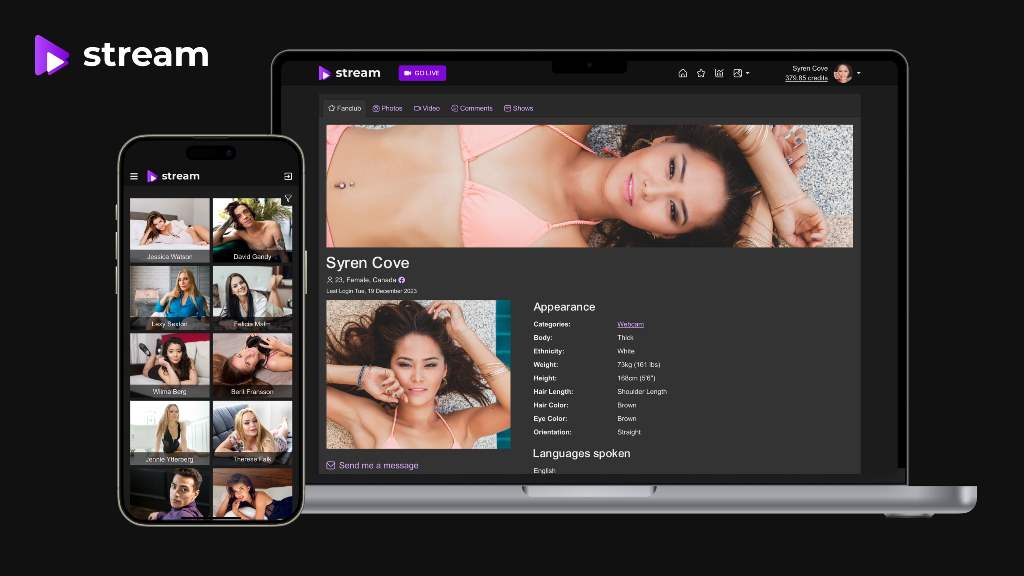
Want to move from camming as a personal income stream to building your own webcam business? Scrile Stream gives you the software foundation to launch a live cam site with private 1-on-1 shows, paid chats, tips, subscriptions, content sales, performer management, payouts, and other tools needed to control the platform behind the earnings.
Depending on one platform keeps your income fragile
At the beginning, staying on one platform is the simplest option. Fair enough. But if all your traffic, all your regulars, and all your payout flow live in one place, your income is always one change away from a bad month.
Traffic patterns can shift. Rules can tighten. Discoverability can change. Technical issues can wreck a prime earning window. Payment problems can hit cash flow when you least need more stress. None of that means you need a huge brand machine overnight. It does mean you should stop thinking like a temporary guest in your own business.
Even light audience ownership helps: a recognizable schedule, a consistent identity, a room people remember, and safe rule-following ways for fans to know when and where to find you again. Fragility creates panic. Familiarity creates breathing room.
How to build a camming income system instead of chasing random good days
The cleanest framework is simple: traffic, conversion, experience, retention, review.
Traffic gets the right people into the room. Conversion gives them a clear paid next step. Experience makes the spend feel worthwhile. Retention gives them a reason to return. Review tells you what changed instead of forcing you to guess based on emotions.
Simple does not mean shallow. This framework works because it shows you where the leak is. If plenty of people arrive but nobody pays, that is a conversion problem. If people pay once and vanish, that is an experience or retention problem. If results depend entirely on a rare big spender, your system is thinner than it looks.
| Stage | Main question | Common mistake | Better focus |
|---|---|---|---|
| Traffic | Are the right viewers finding me? | Going live randomly and hoping | Consistent timing, niche clarity, better room presentation |
| Conversion | Do viewers understand how to pay? | Passive chatting with no structure | Clear menu, stronger private prompts, visible next steps |
| Experience | Does paying feel worthwhile? | Low prices and unclear boundaries | Defined value, better pacing, reliable setup |
| Retention | Why would someone come back? | Inconsistent hours and forgettable room flow | Memorable style, repeat schedule, regular-friendly structure |
| Review | What actually improved results? | Judging everything by one good or bad day | Track patterns over weeks, not moods over nights |
Choose one primary earning goal per phase
A lot of creators stay stuck because they try to fix everything at once. New menu, new style, new hours, new prices, new platform, new gear. It feels productive. Usually it is just noisy.
If you are brand new, or your room barely gets traction, focus first on room quality and basic conversion. People need to understand who you are, what kind of space they have entered, and what paying does. If you already get viewers but income is all over the place, shift your attention to private conversion and repeat spend. If you are active, earning something, but plateaued, the next gains often come from better pricing, schedule discipline, and less dependence on one platform.
The point is timing. Advice can be technically correct and still wrong for your current bottleneck. A creator with weak traffic does not need advanced retention tactics first. A creator with decent traffic and bad pricing does not need to sit online for ten more hours. Find the main choke point and work that one hard enough to matter.
Build a weekly structure that protects both income and energy
The fastest path to burnout is panic scheduling. You go live whenever money fear spikes. You stay on because maybe the room will wake up. You answer messages late because you do not want to lose attention. Days blur together, the work starts invading everything, and somehow income still feels unstable.
A sustainable week needs shape. Not rigid perfection. Just enough structure that your energy is not being negotiated every day.
That usually means core streaming blocks around your strongest windows, separate time for admin and light promotion, some recovery room after heavier sessions, and a short review point each week so one bad night does not hijack your decisions. “Always available” sounds dedicated. In practice, it often makes you easier to ignore and harder to sustain.
Consider a couple who start camming because they assume two people on screen will make earning easier. For the first two weeks, they only stream when both happen to be free. The result: late starts, rushed setup, uneven mood, and no stable time for viewers to return. They get curiosity traffic, but little repeat behavior. The issue is not that couple camming cannot work. The issue is that they built an event, not a system. Once they set firmer times, agree on boundaries before going live, and reduce the number of random sessions, earnings may feel less flashy at first but far more repeatable by the end of the month.
Track a few metrics that tell the truth
Gross daily earnings are seductive because they are easy to understand. They are also incomplete. One big day can be driven by a single regular, a weekend spike, or luck. One bad day can be caused by weak traffic, bad timing, or technical problems. Looking only at the total makes every shift feel mysterious.
Track a handful of numbers that actually help you improve: hours streamed, paying users, private-session conversion, average spend per paying fan, repeat fan behavior, and your own energy level after the session. Yes, energy counts. If one type of stream makes money but wipes you out so badly that you cannot work the next day, the real profit is lower than it looks.
That is where ownership starts. Not in chasing bigger headlines, but in seeing patterns clearly enough to stop lying to yourself about what is and is not working.
What “how much money I made in one day camming” stories leave out
The phrase gets attention because it sounds concrete. How much money I made in one day camming. Clean number. Clean headline. But as actual guidance, that kind of story is usually thin unless it comes with context.
A single-day result only means something if you know what produced it. What platform was involved? How much existing traffic did that person already have? Was there a big-spending regular in the room? Was it a weekend or a holiday? How many hours were streamed? Did they push hard beforehand? Did the money come from public tips, privates, subscriptions, or a one-off event? Most importantly, can the result be repeated without wrecking the person who earned it?
This is where beginners get discouraged for the wrong reasons. They compare their average Tuesday to someone else’s best Saturday. Or they compare their first month to somebody’s well-built audience after months of refinement. That is not useful comparison. It is self-sabotage dressed up as research.
How to read earnings claims without getting discouraged
Use earnings stories as clues, not promises. If someone had a strong day, ask what system may have supported it. Better private conversion? Better room presentation? Better repeat spend? Better timing? That kind of reading sharpens your judgment instead of crushing your confidence.
The wrong response is, “Why am I not making that today?” The better one is, “What conditions made that possible, and which of those conditions can I actually build?” That shift matters because camming gets much easier emotionally when you stop treating other people’s peak days as your baseline.
How much can a couple make camming — and when it is actually worth it
Couple camming gets attention because it offers novelty and a different on-screen dynamic. In some cases, yes, a couple can earn more than a solo performer in certain sessions or on certain platforms. But that does not make it easy money, and it definitely does not make it more sustainable by default.
When people ask how much can a couple make camming, the honest answer is the same one that applies across camming: it depends. Traffic. Chemistry. Schedule fit. Shared boundaries. Reliability. Audience match. A couple may attract more curiosity, but curiosity does not always convert well. And even when it does, two people on screen can create problems a solo creator does not have to solve.
There is coordination to manage. Comfort levels to negotiate. Brand consistency to maintain. Income to split. If one person is less committed, less available, or less comfortable, the whole setup gets shaky. Sometimes couple camming earns more per session. Sometimes it doubles the friction and cuts the control in half.
Solo vs couple camming: which model is more sustainable for you?
Solo camming usually gives you tighter control over schedule, pricing, room tone, and boundaries. That control matters more than people think. Couple camming can be more dynamic and may attract stronger attention in the right niche, but it asks for much more off-screen agreement.
For most readers, the better question is not “Which one looks more exciting?” It is “Which one can I repeat cleanly without constant stress?” Long-term income usually rewards consistency more than novelty. If solo gives you stability, that is not a downgrade. It is leverage. If couple camming truly fits both people and the structure is clear, it can work well. But it should be chosen because it improves the business, not because it sounds like a shortcut.
The setup choices that quietly affect earnings more than most beginners think
A lot of camming advice treats setup like decoration. It is not. Setup affects trust, watch time, conversion, comfort, and whether you can keep a good session going without fighting your own tools.
If your stream lags, your audio sounds weak, your lighting makes you look dull, or the camera angle feels awkward, viewers notice right away. Some leave. Some stay but never spend. Some enter a private, then hesitate because the overall experience feels messy. That is not vanity. That is lost revenue.
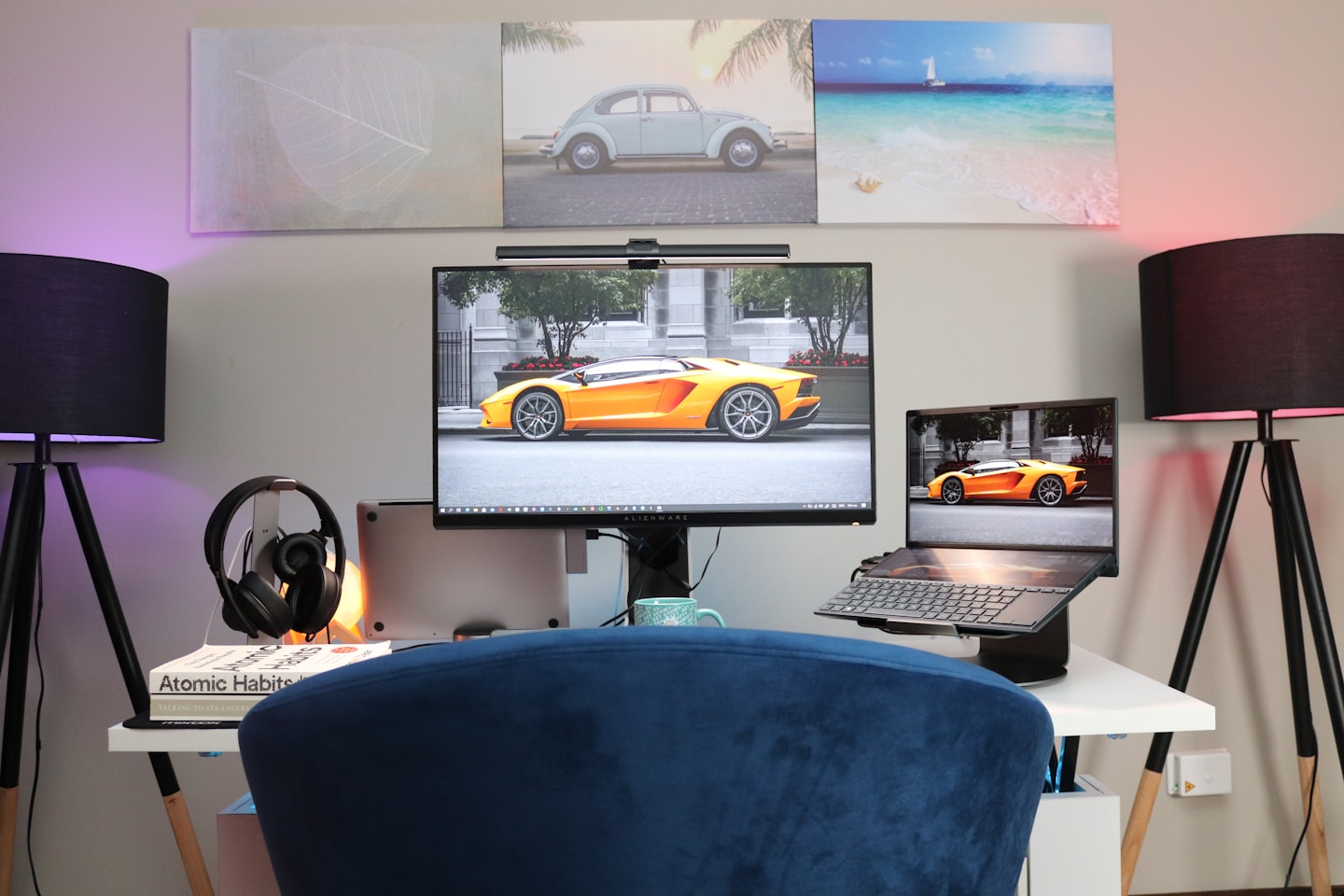
The good news is that you do not need the most expensive room to look professional. Basic and clean beats expensive and badly planned. Stable internet, decent lighting, clear framing, usable audio, and a background that looks intentional do more for conversion than random gear shopping ever will.
Upgrade order: what to fix first if your budget is limited
When money is tight, random upgrades are where good intentions go to die. Start with the pieces that affect reliability and trust first: stream stability and internet reliability, lighting that makes your image look clear and deliberate, camera quality and framing, usable audio, and then the background, privacy control, and comfort that help you last through longer sessions.
The order matters because beginners often want the “best camera” before they have solved the simpler things quietly damaging their earnings. A sharper image will not save a laggy stream. Fancy gear will not fix bad lighting. And none of it helps much if your setup is so uncomfortable that you start every session already half irritated.
This is also the point where generic advice starts to run out of value. Once you understand pricing, retention, and scheduling, the next bottleneck is often execution. Plenty of creators know what they should improve, but still lose money to bad framing, weak sound, poor lighting, unreliable streaming, or a room layout that makes every session harder than it needs to be.
If that is where you are, a more detailed camgirl setup guide makes sense as implementation help, not as a detour. It helps you sort what to upgrade first, what actually improves performance versus what just looks impressive, and how to avoid spending on gear that does not solve your real problem.
And if you want a narrower next step before building out the full room, the site’s Best Camera for Camming: Webcam Model’s Choice resource is a practical place to compare camera options without getting buried in tech jargon. Better earnings often start with better decisions, not bigger purchases.
A practical 30-day earning reset for cam models who want more income without faster burnout
You do not need a dramatic reinvention next week. You need a controlled reset. Something tight enough to show patterns, and strict enough to stop you from pouring energy into habits that are not paying off.
In week one, audit the current reality. Look at your hours, your prices, your strongest time blocks, your private conversion, and whether your room gives viewers a clear path to spend. This part is not glamorous, but it matters because vague frustration keeps people stuck. Specific friction can be fixed.
Week two is about tightening the room itself. Improve stream quality. Simplify the menu if it is cluttered. Make the room easier to understand. Reduce the amount of free attention that goes nowhere. Small cleanup here often produces more than people expect because it removes confusion for both you and the viewer.
Week three should focus on paid flow and retention. Test stronger private prompts. Notice which viewers are actually likely to spend instead of trying to entertain everyone equally. Pay attention to what makes regulars return. The goal is not to become cold. It is to stop spending your best energy on the least likely buyers.
Then week four is review. Not vanity review. Real review. What improved? What still drags? Which sessions paid well and felt repeatable? Which ones only looked good on paper because they left you flat for the next day?
Take a simple scenario. A male cam model is earning in spikes and keeps changing his style because he assumes inconsistency means the audience is rejecting him. After a 30-day reset, he notices something less dramatic and more useful: shorter high-focus sessions, clearer private offers, and better lighting outperform long experimental streams where he keeps reinventing himself. No miracle. Just less chaos, more signal.
That is the real answer to how to earn money camming without burning out fast. Not “work less.” Not “grind nonstop.” Build around what converts, protect the energy that makes those conversions possible, and cut the habits that only make you feel busy.
When generic camming advice stops being enough
At first, broad advice helps. Go live. Learn the platform. Test times. Watch how your room behaves. Fine. But eventually generic advice turns into wallpaper. You already know you should be more consistent, price better, get more regulars, and improve conversion. The real question becomes sharper: what is weakening your income right now?
For many early-stage creators, the answer is not motivation. It is friction. A room that looks less trustworthy than it should. A camera angle that does you no favors. Audio that makes the stream feel cheap. A chair, layout, or setup that makes longer sessions physically irritating. Technical drag steals money quietly, then gets blamed on traffic.
So do not leave this at “good ideas.” Pick the next sensible move. Audit your last two weeks. Find the main bottleneck. Tighten one earning lever. Fix one setup weakness. Review the result over a month, not one emotional night. If your stream quality is part of the problem, use the camgirl setup guide to make your next upgrade deliberate, then compare options with Best Camera for Camming: Webcam Model’s Choice when you are ready to improve the piece viewers notice most. That is how camming starts feeling less like guesswork and more like something you own. And once you feel that shift, the next decisions get easier—and much more profitable.
Frequently asked questions
How much can a beginner cam model realistically earn in the first few months?
Most new models earn between $200 and $1,500 a month in the first 60–90 days, with wide variation. The biggest factor is not looks or hours — it is whether the schedule is consistent and the show has a clear structure. Income usually accelerates after the first 3–4 months once regulars start to form and you stop relying only on cold traffic.
Is camming better as a single platform or multi-platform setup?
For the first 2–3 months, one platform is almost always better — algorithm visibility, regulars, and your own routine all build faster when attention is focused. Multi-streaming makes sense once you have a stable solo income on the main site and want to convert the same audience to private channels or fan platforms. Splitting too early usually divides traffic without growing total income.
How many hours per week is a sustainable camming schedule?
Most full-time models hit their best earnings-to-burnout ratio at 20–30 stream hours per week, split across 4–5 sessions. Going above 40 hours rarely scales income proportionally and usually shows up as worse retention and weaker shows. Stable shorter sessions outperform sporadic long marathons in almost every income study and practitioner report.
What kills earnings faster than anything else for new cam models?
The three biggest income killers are an inconsistent schedule, no tip menu or unclear pricing, and free content shown to everyone instead of being gated. Each one trains viewers that they can wait you out instead of paying. Fixing those before working on personality, body, or new platforms gives the largest income jump for the least effort.
Are private shows worth it compared to public room tips?
Public shows build the audience; privates convert them. The healthiest income mix for most models is roughly 40–60% tips and 40–60% privates, plus a small share from content sales. Models who push 100% on privates often burn out from one-to-one intensity; models who rely only on public tips hit an income ceiling fast.
When does it make sense to leave a public platform for a studio or independent setup?
Consider a studio when you want professional support — promotion, scheduling, multi-platform handling — and you are comfortable trading a revenue share for it. An independent setup with your own brand makes sense once you have 100+ stable regulars who already follow you outside the room. Doing either too early usually trades one problem (traffic) for two new ones (operations and marketing).