
Quick answer
PPV content is paid access to one specific piece of premium content, not ongoing membership. Use it when the buyer wants a clear unlock. A replay, private clip, custom message, or special drop — and skip it when the audience wants continuous access instead. The real test is simple: will people pay for this one moment without needing the whole feed?
This article’s practical angle: This article will add a decision-oriented definition of PPV content that distinguishes true PPV from generic premium content and shows exactly when PPV is the better model than subscriptions, tips, or memberships. It will also include failure conditions and selection criteria, making it useful for creators or communities deciding how to monetize individual premium moments rather than ongoing access.
For neutral context, this guide cross-checks the topic against Goldman Sachs Research's creator economy outlook. So the recommendation is grounded in external market signals rather than only product claims.
PPV content meaning: a pay-to-unlock model, not a vague premium label
PPV content is easy to explain and easy to blur. In creator and community monetization, it means a buyer pays once to open a specific item: a video, post, message, replay, clip bundle, or custom asset. The payment is tied to one unlockable piece, not to a permanent seat in the community. That difference matters because Pay-per-view is a transaction rule, not a branding word.
Once teams stop treating PPV as a loose synonym for “premium,” the model becomes easier to use. A locked feed, a subscription library, and a tip jar can all sit on the same site, but they answer different questions. PPV asks: “Will someone pay for this exact thing?” Subscription asks: “Will they keep paying for access over time?” Tips ask: “Will they support the creator without a hard requirement?” If the offer cannot answer those questions cleanly, buyers feel friction before they ever click.
That friction is expensive. A creator can lose a sale not because the content is weak, but because the access rule is unclear. Support messages start asking what the purchase includes, whether it expires, and why the item is not just part of the regular feed. In a mixed monetization setup, those questions create extra moderation work, slower conversions, and weaker repeat buying. The healthiest PPV offers are obvious at a glance: one item, one price, one unlock.
What counts as PPV content
PPV content is any premium asset sold as a one-time unlock. A private video, a live replay, a paid photo set, a custom response, a behind-the-scenes clip, or a limited tutorial can all be PPV if access is attached to that single purchase. The format is not the point; the transaction rule is.
That is why a post can be “premium” without being PPV. If access comes through a monthly plan, a gated membership, or a bundled subscription library, the content is paid, but the model is different. PPV works best when the buyer can understand the value in one decision: open this item now, or leave it locked.
What does not count as PPV content
A paid community, a course with broad access, a full subscription feed, and a donation page are all monetized products, but they are not PPV unless the buyer unlocks a single item individually. A paywalled website is also not automatically PPV. If the payment opens everything, that is membership or subscription logic, not pay-per-view.
That boundary is practical, not semantic. Mislabel the model and you misprice the offer. A buyer who expects continuity will not respond well to a one-off unlock, and a buyer who only wants one asset will not appreciate a broad recurring plan. The wrong label creates the wrong packaging, and the wrong packaging usually shows up as low unlock rates plus more customer questions.
How PPV works in creator monetization
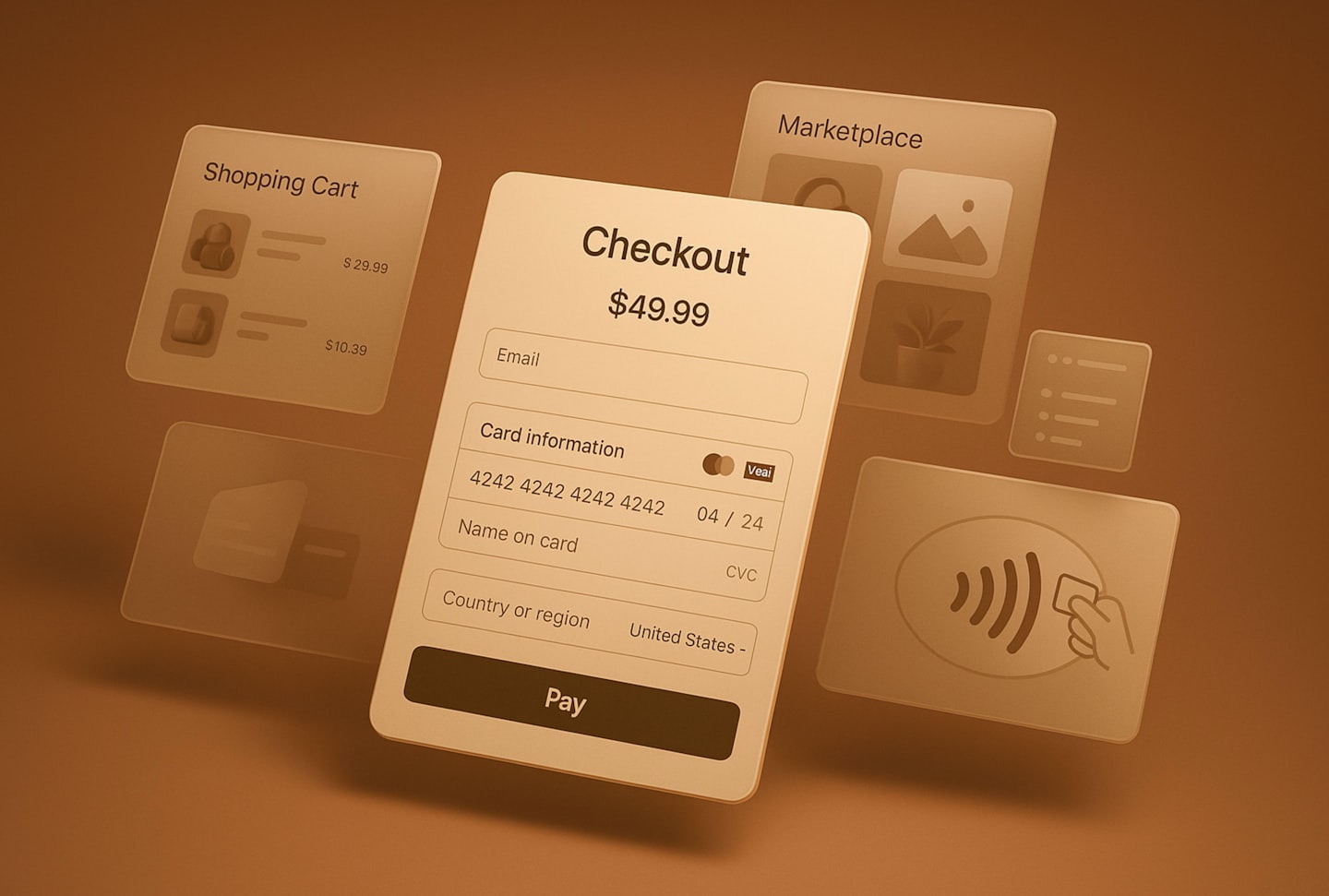
In practice, PPV is the simplest paid-content rule a creator can sell: preview, price, unlock, deliver. The buyer sees enough to judge value, pays a set amount, and gets access to the specific item. That can happen inside a social platform, a private site, or a branded community hub, including systems that also support subscriptions and tips. If you need a broader access model, the subscription plan examples guide shows where recurring access starts to outperform one-off sales.
The model works when the content has a clear spike in value. A live event replay is useful because the moment is scarce. A custom clip is useful because the value is personal. A special drop is useful because it feels different from the ordinary feed. When the item feels flat or interchangeable, PPV can still be used, but conversion usually slips because the buyer does not see a reason to pay now rather than later.
That is why PPV behaves differently from “exclusive content” as a general phrase. Exclusive content can be a positioning claim. PPV is a billing rule. If there is no clear unlock, no explicit price, and no discrete content boundary, the item is not PPV in any useful business sense.

PPV vs subscriptions, tips, and memberships
The right model depends on what the buyer is actually buying. Some audiences want one special moment. Others want ongoing access, group belonging, or the chance to support a creator without a hard commitment. Treating all of those behaviors as the same usually leads to the wrong offer design.
| Model | What the buyer pays for | Best fit | Breaks down when | Main risk |
|---|---|---|---|---|
| PPV content | One specific unlock | Premium moments, special releases, custom items | The audience expects ongoing access | Repeat buyers are rare or the content feels too ordinary |
| Subscription | Recurring access | Steady output, predictable cadence, growing library | The feed is too sparse or irregular | Churn after the first billing cycle |
| Tips | Optional support | Community goodwill, live reactions, light monetization | The business needs predictable revenue | Volatile income and weak pricing control |
| Membership | Gated community access | Belonging, group perks, ongoing participation | The buyer only wants one item | High support load with low use |
When to choose PPV
Choose PPV when the buyer can feel the difference between free and paid in one moment. That usually means the item is scarce, timely, personal, or unusually strong compared with the rest of the feed. A replay of a live event, a private clip, a one-off tutorial, or a personalized response often converts better as PPV than as part of a flat subscription, because the buyer is paying for a sharp value spike rather than for a calendar.
Choose PPV when you have irregular premium moments, not just regular output. A creator with one strong release per week can build a PPV engine. A creator who only has one sale-worthy moment every few months often does better by using PPV as a premium layer and keeping the base model broader. If you need the audience to fund steady production, recurring access is usually cleaner.
When to choose another model
Choose a subscription when the audience wants continuity more than novelty. Choose tips when payment should stay optional and relationship-driven. Choose membership when the product is belonging, not just content. If the same item would feel overpriced inside a flat monthly plan, PPV is probably the right place for it. If the item only makes sense as part of a growing library or community, forcing PPV onto it usually creates friction.
That selection rule matters when you run more than one monetization type at once. The clearest stack is the one where subscriptions cover ongoing access, tips capture support, memberships handle group identity, and PPV stays reserved for special unlocks. When those lines blur, support tickets rise and the pricing story gets harder to explain.
For a broader view of how these access models sit next to each other, the best community platforms, online community sites, and online community software guides help map PPV into the larger stack without mixing up the access rules.
When PPV content is the right starting point
PPV is usually the right starting point when the audience buys on impulse or on a trigger, not on a subscription calendar. That happens when creators release standout moments instead of a constant stream. A special reveal, a limited replay, a private answer, or a one-time clip can convert cleanly because the value is concentrated in that single release.
There is a practical reason this works. People who are happy to pay for one premium moment often do not want to manage another recurring bill. They will buy if the item feels immediate, rare, and clearly different from free content. That is why PPV can outperform subscriptions for creators with sharp spikes in value and uneven publishing schedules.
The audience signal that matters
The signal is not “do they like the content.” It is “will they pay for a specific piece without needing full access first.” That is a tighter test and a more useful one. If your audience asks for custom drops, reacts to limited releases, or buys around a trigger, PPV has room to work. If they mostly talk about wanting to stay in the group, membership or subscription is usually the stronger fit.
One useful way to think about it: PPV buyers want the moment, while subscribers want the stream. If your comments section is full of requests for isolated items, private clips, or “can I get this one?” behavior, the audience is telling you what to sell. If the same audience keeps asking for continuity, access, and ongoing updates, the model is pointing in the other direction.
The cadence test
Ask a simple question: can you reliably produce premium moments that feel distinct from the rest of the feed? If the answer is yes, PPV is plausible. If the answer is “only sometimes,” PPV should stay secondary, because inconsistent premium drops make pricing and expectation-setting harder.
In business terms, the difference is visible fast. A creator who can package one strong unlock per week can build a real PPV rhythm. A creator who only has one sale-worthy item per quarter cannot lean on PPV alone without making the offer feel random. That is where the cost of the wrong model shows up: more explaining, more hesitation, and more support time spent clarifying what the buyer actually gets.
Practical PPV content examples by use case
Examples are more useful when they show why the buyer pays, not just what the media type is. A video is not automatically PPV. A photo is not automatically PPV. The same format can sit inside a subscription, a membership, or a one-off unlock depending on how the offer is packaged.
One-off premium moments
These are releases with a clear event feel. A behind-the-scenes video from a live shoot, a private training module, a limited access clip, a special reveal, or an event replay works well when the audience understands that the value is concentrated in the unlock itself. The money is paying for access to a moment the free audience does not get.
This is the cleanest PPV category because the transaction is easy to explain. The buyer knows what is being opened, and support overhead stays low. If the item has a short shelf life or a strong novelty factor, PPV often beats putting it behind a broad membership wall that makes the value feel diluted.
Repeated value that should not be forced into PPV
Some premium content looks like a one-off sale, but it really behaves like a recurring product. A weekly coaching drop, a regular research roundup, or a growing resource library usually fits subscription logic better than PPV. In those cases, a one-time unlock can underprice the real value, while PPV can create a ceiling because the buyer would rather pay once and stop.
That is the cost of choosing the wrong model. You spend time trying to relaunch the same kind of item as a new sale, but the audience has already understood it as something they should get continuously. At that point, the better fix is not a stronger sales page; it is a better access rule. If the content improves through continuity, recurring access is usually the cleaner answer.
For product teams building a larger paid community around this logic, the article on online community software is the next step. It helps separate the content unit from the access layer, which is where PPV decisions become operational instead of theoretical.
Common mistakes when using PPV content
The first mistake is selling “premium” without saying what is being unlocked. Buyers do not pay for adjectives. They pay for a concrete asset. If the preview does not make the item feel clearly different from free content, conversion drops even when the creator has an engaged audience.
The second mistake is using PPV for content that wants repetition. A new buyer who sees the same unlock structure every week can start to treat it as routine, not special. That is how pricing fatigue starts. The result is usually weak repeat buying, lower perceived value, and more resistance when the creator tries to raise the price later.
The third mistake is confusing support with sales. Tips can feel social. PPV is a transaction. If the buyer is not sure whether they are supporting, subscribing, or unlocking, the payment flow creates hesitation. Small hesitation, repeated across many visitors, becomes a measurable revenue leak.
There is also an operational mistake teams often miss: treating PPV as a one-page decision instead of a system rule. Once you sell paid messages, live streams, or private clips alongside PPV, you need a clean hierarchy for what is free, what is gated, and what is custom. Without that, moderators and payout tracking end up reconstructing the business after the fact. In mixed monetization setups, the most expensive support work is often not technical failure but unclear access rules.
How to decide if PPV fits your audience
Use PPV when your audience is willing to pay for sharp value spikes, not just for general access. The best signal is behavior: do people ask for specific content, respond to limited releases, or buy custom items without needing a recurring commitment first? If yes, PPV deserves a test. If the same audience mainly asks for continuity, group access, or steady updates, membership or subscription usually converts more cleanly.
That is the difference between a buyer who wants a moment and a buyer who wants a relationship. PPV works for the first group because the item is the product. Membership or subscription works for the second because the ongoing structure is the product. Mixing them is possible, but only if each rule stays distinct.
Minimal readiness checklist
You do not need a big product team to test PPV. You need a clear offer, a visible price, a preview that shows enough value to click, and a payment flow that does not make the buyer think too hard. Add a clean record of what was sold, who can access it, and how refunds or moderation are handled.
That is the minimum. Without it, PPV behaves like a loose paywall and the data gets noisy. With it, you can learn in 2-4 weeks whether the audience buys single premium moments or needs a different access model. The goal is not to launch everything at once; it is to see whether one premium moment converts cleanly enough to justify the format.
Validate the model before you build around it
If you are deciding whether PPV fits, start with one paid release and measure the response. Keep the offer narrow: one content type, one price, one audience segment. That makes the signal readable. You are not testing the whole business yet. You are testing whether one premium moment converts.
Track three numbers in the first round: unlock rate, repeat purchase rate, and support friction. If unlocks are low but engagement is high, the offer packaging is weak. If unlocks are fine but repeat purchases are flat, the audience may want subscription continuity instead. If support messages keep asking what the buyer gets, the classification boundary is unclear.
Those numbers tell you where the model breaks. That is more useful than a generic “PPV is good for monetization” claim, because it lets you decide whether to keep the model, layer in subscriptions, or move to a broader paid-community setup. The healthy state is simple: buyers understand the unlock, support stays light, and premium moments earn their own price without confusing the rest of the feed.
If you want to skip manual tooling and move toward a branded monetization site, that is the point to compare your setup with a purpose-built platform such as Scrile Connect. It is most relevant when PPV is not the whole model but part of a larger mix of paid messages, subscriptions, tips, and live access.
Scrile Connect for PPV-led creator and community sites
PPV content works best when the offer boundary is clean, the payment flow is simple, and the buyer can see exactly what unlocks. Scrile Connect is built for branded creator and community sites that need PPV alongside subscriptions, tips, paid messages, live streams, and video calls. That matters because PPV is not a standalone idea; it is one revenue rule inside a wider monetization system.
The practical advantage is control. Teams that sell individual premium moments usually need their own domain, their own pricing logic, and a way to manage payouts and analytics without stitching together several tools. Scrile Connect supports that shape of work, including direct payments, multiple payment methods, and dashboards for users, earnings, and moderation, so the seller can keep the transaction clean without handing the whole relationship to a third-party platform.
That makes it a fit for creators, agencies, and operators who are moving from scattered paid content into an owned site. It is also relevant for teams that know PPV is only part of the model and need subscriptions or premium messaging beside it. For a very small creator who only needs a single simple paywall, the setup may be more than necessary. For teams already handling premium moments, recurring access, and branded distribution, the added control usually pays for itself in fewer workarounds and better visibility.
If your next step is to test a PPV-led site without building from scratch, Get a closer look at Scrile Connect and map it against your own content mix. That is the point where the model stops being abstract and becomes a launch decision.
Ready to build the setup behind this?
If this is the operating problem you need to solve, use the product page as the next step. It shows where build your setup fits and what the platform covers beyond a single payment widget.
Frequently asked questions
Can PPV content and subscriptions live on the same site?
Yes, and that is often the cleanest setup. Subscriptions should cover ongoing access, while PPV should stay reserved for special unlocks. Confusion starts when the same item could reasonably be sold both ways.
When should a creator stop using PPV as the main model?
Stop when buyers care more about continuity than isolated items. If people keep asking for the full feed, group access, or regular updates, subscription or membership usually fits better than one-off unlocks.
What does low PPV conversion usually mean?
It usually means the offer is unclear, not that the audience is weak. If engagement is high but unlocks stay flat, the preview, price, or access rule is probably confusing the buyer.
What is the biggest risk of using PPV for regular content?
Pricing fatigue. When buyers see the same unlock pattern again and again, they stop treating the item as special. That often lowers repeat buying and makes later price increases harder.
How do you test whether PPV fits a new audience?
Start with one narrow paid release and watch unlock rate, repeat purchase rate, and support friction. If buyers understand the item quickly and come back for the next one, PPV is likely worth keeping.
What if the audience likes premium content but resists recurring payments?
Then PPV may be the right base model, with subscriptions used only for a smaller premium tier. Some audiences prefer impulse purchases and never behave like a membership cohort.