

Quick answer
If you are asking how to get into camming, do not start with gear or income guesses. Start with a privacy line, a first platform choice, and the smallest setup that lets you stream without scrambling. That order keeps the first month from turning into expensive rework. This page shows the path from “I might try this” to “I can run a first real stream,” and points you to deeper guides when you need earnings, creator-style, or non-nude specifics.
For neutral context, this guide cross-checks the topic against Goldman Sachs Research's creator economy outlook. So the recommendation is grounded in external market signals rather than only product claims.
What “getting into camming” actually means for a beginner
In practical terms, camming is live video work where the creator and viewer interact in real time. The word sounds broad because the field is broad: some people start with a simple webcam and a private room, while others later build a branded setup with payment controls and moderation. A plain definition is useful, but only as a starting point. For a basic reference point, the term is described in Wikipedia’s overview of webcam modeling but the real question for a beginner is not the label. It is whether your first path is safe, simple, and reversible enough to test.
This article is the foundation page for the cluster, so it does not try to teach earnings strategy, performer branding, or platform-by-platform monetization. If you need that next layer, move later to how to be a cam model, how to make money as a cam model, or non-nude camming. The job here is narrower: decide what the first launch should look like and what should wait.
Why beginners get stuck before the first stream
Most first-timers do not fail because they cannot use a camera. They stall because they try to solve too many decisions at once. One person buys lights, a backdrop, software, and a new schedule before they have even decided what they are comfortable showing. Another chooses a platform because it looks popular, then discovers the privacy tools do not match their limits. That kind of mismatch can cost a full week of setup time and turn a simple launch into a second project.
The safer approach is smaller and more controlled. Define the line first, then choose the platform, then build the room around those two decisions. If you reverse that order, the setup starts to dictate the show instead of supporting it.
The first decision is not technical
Before you think about streaming software, ask a more important question: what kind of interaction can you handle on day one? A clear answer does three things at once. It cuts stress, it narrows the tool choice, and it stops you from designing a show that you will later have to rebuild.
That is why the first decision is really a comfort decision. If you are still unsure about the public side of the job, you are not ready to buy around a vision yet. You are still shaping the vision itself.
The sequence that keeps a first launch from going sideways
For a beginner, camming works best when it is treated like a sequence, not a mood. There is a practical order that reduces rework: define the boundaries, choose the first platform type, set up the minimum gear, test privately, and only then run a first real session. That sequence is simple, but skipping one step usually creates the kind of problem that shows up three days later as frustration, extra cost, or a stream you do not want to repeat.
Think of it as a launch map. If you know the next decision before the current one is finished, the work stays movable. If you do not, every later choice becomes a correction.
Step 1: write the line you will not cross
Start with a one-page rule set. Write what you will show, what you will not show, what kind of requests you will ignore, and what identity details you do not want on the screen. Be concrete. “I want to stay private” is too vague to survive a live room. “No face in the first month” or “no visible personal items in the background” is much more useful.
This is also where the cost of a wrong first choice becomes real. If you launch without a boundary and then need to change it after two sessions, you may have to rebuild your room, retune your platform settings, and explain a new rule set to your own audience. A good beginning avoids that loop.
Step 2: choose the platform for launch, not for fantasy
Pick the first platform based on the kind of control you need, not the kind of income you hope for later. A starter platform should answer one simple question: can I use it without violating my comfort line? If the answer is no, it is the wrong first move no matter how much traffic it promises.
That distinction matters because platform choice and monetization strategy are not the same problem. You can learn about income paths later in how much money can you make camming; this page is about getting a workable launch path in place first. When beginners mix those two questions, they often choose a tool for its upside and then struggle with the setup it forces on them.
Step 3: build the minimum viable setup
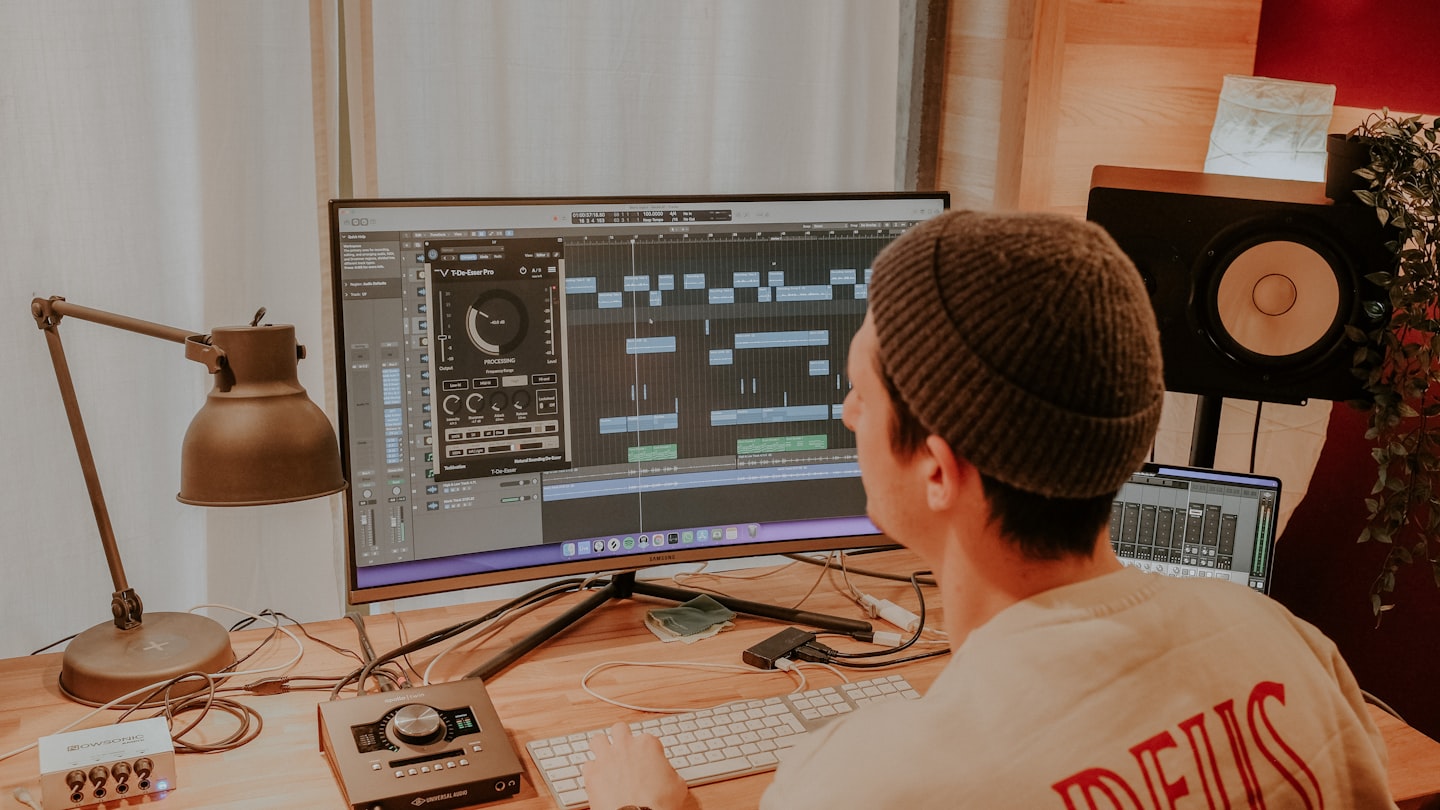
Your first setup only needs to answer one test: can you stream for 30 to 60 minutes without fighting the room? If yes, the setup is enough to learn from. If no, the setup is not ready yet. That threshold is more useful than a shopping list because it tells you when “good enough” has been reached.
| Setup piece | Minimum viable start | Later upgrade | Why it matters at launch |
|---|---|---|---|
| Camera | Any webcam that gives stable 720p/1080p output | Better low-light camera or higher-end device | Clear video matters more than premium branding on day one |
| Audio | Built-in mic that is clear enough, or a basic external mic | Directional mic with better noise control | Bad sound makes a stream feel broken faster than weak visuals |
| Lighting | One reliable light source | Two- or three-point lighting | Consistent light reduces last-minute fixes and awkward shadows |
| Room control | Private space with a door you can close and a background you can manage | Dedicated streaming corner or branded set | Privacy mistakes are harder to undo than lighting mistakes |
| Platform tools | Chat, moderation, and basic payment functions | Private sessions, tipping, analytics, and content controls | Tools shape how much control you keep as the work grows |
That table is enough to keep the launch honest. A beginner who tries to buy “the full setup” too early often ends up paying for features they do not know how to use. A lighter launch keeps the budget focused on the parts that matter first.
Step 4: test the room before you test the audience
Run one short private test before the first real stream. Check the camera angle, the sound, the lighting, and what the room looks like after 20 minutes, not just at the start. A room that feels fine at minute one can become awkward at minute twenty if the heat rises, the framing slips, or the background reveals more than expected.
This test is small, but it saves time. It is easier to adjust a chair, a lamp, or a camera mount than it is to explain a broken first session to yourself later. The healthiest first launch is not the flashiest one; it is the one that shows you exactly what needs fixing.
How to choose your first path without copying someone else’s
Beginners rarely need the same route. One person needs speed. Another needs privacy. A third wants a side-project format that does not swallow the rest of the week. Those are not minor differences; they change what “good first setup” means.
That is why copying another creator’s model often backfires. Their room, schedule, and platform tools were chosen for their own limits, not yours. Borrow the principle, not the whole arrangement.
If you want the fastest possible first stream
Take the simplest route that still respects your boundaries. Keep the setup small, keep the platform path short, and aim for learning instead of polish. The first three sessions should mostly tell you what feels natural and what feels off.
A fast-start path is useful when hesitation is the real barrier. Once you see the format in motion, a lot of unknowns disappear quickly. The point is not to impress anyone on day one. The point is to stop guessing.
If privacy matters more than speed
Choose the path that gives you the strongest identity control, background control, and access control. Privacy-first beginners often do best when they think in terms of containment: who sees what, when, and under which conditions. If that question is central for you, then the tool has to support it from the start.
This is where a general “just go live” tip fails. For a privacy-first creator, the wrong setup can make every session feel exposed. A slower launch is not a problem if it keeps the work usable.
If you need camming to stay part-time
Part-time only works when the system is small enough to fit the rest of your life. That means short sessions, a repeatable schedule, and a launch plan that does not depend on daily availability. Without those limits, the side project starts behaving like a second job with worse boundaries.
The cost of ignoring that reality is easy to miss at first. One extra evening here and there looks harmless; after a month, it can turn into the reason you stop logging in at all. A part-time path needs discipline around time, not just a camera.
If you already have a small audience
Existing followers change the launch math. You are not starting from zero attention; you are deciding how to convert a known audience into a format you can actually run. That means your platform and privacy decisions may need to support direct interaction, repeat sessions, or a paid layer from day one.
When that is the case, the launch question is less about discovery and more about fit. The wrong tool can force clumsy workarounds, while the right one gives you a cleaner first step. If you expect this route, read the deeper creator path in how to be a cam model after you finish the foundation decisions here.
When generic beginner advice does not fit
Not every beginner wants the same format. Some need a non-nude path. Some want to stay anonymous longer. Some are trying to keep the work very limited rather than build a broad profile. In those cases, a generic “research the market and start streaming” message is too blunt to be useful.
That is the point where the route should branch. Use this page to set the first structure, then move into the more specific guide that matches the route you actually want. If you already know you need a non-nude setup, do not force that decision into this article; go straight to non-nude camming for the next layer.
The mistakes that create the most rework in month one
The biggest beginner mistakes are procedural, not dramatic. They usually show up as extra setup time, repeated privacy checks, a second platform decision, or a first stream that feels more like a draft than a launch. That kind of rework can easily eat 2-4 hours a week in the first month, and it is almost always preventable.
What makes the mistakes costly is not only the lost time. It is the emotional drag of feeling like you are always rebuilding instead of moving forward.
Trying to perfect the setup before you have tested the format
Perfection looks responsible, but in the early stage it often hides hesitation. The beginner keeps buying accessories, changing software, or tweaking the backdrop while the real question remains unanswered: does this format fit my life at all? The answer only appears after a real test.
Set a launch threshold and stop at it. Once the minimum viable setup works, move on. The first stream is not the final version; it is the test that tells you what deserves more money and attention.
Choosing a platform before deciding your boundaries
If the platform comes first, you may end up with tools that force awkward compromises. That is the easiest way to make a simple launch messy. A boundary-first plan keeps the later choices honest because the tool has to serve the rule set, not replace it.
This mistake is common because platform pages often look more concrete than privacy decisions. A logo feels easier to compare than a comfort line. But the logo does not protect you when a live request arrives.
Mixing earnings pressure into the first launch
Many beginners ask how much they will make before they know how they want to work. That question matters, but it is not the first one. Income strategy belongs in its own layer, and it deserves its own page and planning cycle. If you want that layer next, use how much money can you make camming after the launch path is stable.
When income pressure comes too early, people often pick the wrong tool for the wrong reason. They chase upside and ignore the friction that will make the work harder to sustain. A better launch is built around use, not hope.
Copying another creator’s setup too closely
Borrow the pattern, not the whole room. Another creator’s schedule, camera angle, and privacy line were built around their own life. If you copy them exactly, you may import constraints that do not belong to you.
This is a subtle mistake because copying can feel efficient. It lowers uncertainty in the short term, but it often creates hidden friction later. The healthier move is to keep the useful idea and drop the parts that do not fit.
What a healthy first launch looks like
A good first launch is not perfect. It is stable enough to learn from. The room is private, the platform fits the boundary line, the camera and sound are clear enough, and the creator knows what the session is for. That is enough to start without pretending the whole business is already solved.
By contrast, a messy first launch usually shows the opposite signs: too many tabs open, too many tools half-configured, and too many rules still undecided. The difference between those two states is not cosmetic. One reduces fear and creates feedback. The other creates more cleanup work.
Three signals that you are ready to move
First, you can stream for 30 to 60 minutes without fighting the room. Second, your boundary line is written down instead of floating in your head. Third, your platform choice is made for control and comfort, not only for traffic or hype. If those three things are true, you are ready to learn from the first sessions rather than build forever.
That is the point where action matters more than planning. Once the base is in place, each stream gives you information you can actually use.
Where to go next after the foundation is in place
After the first setup works, the next step depends on the problem you need to solve. If you want the creator-side path, move into how to be a cam model. If the question is income, not launch, use how to make money as a cam model. If you need a narrower, privacy-aware route, read non-nude camming. The point is to keep the foundation page narrow and let the sister articles do the deeper work.
That cluster logic matters because each article is supposed to answer one decision. If this page tries to do all of them, it becomes replaceable. If it stays focused, it becomes the entry point that makes the rest of the cluster easier to use.
Two practical checks before you launch
Before you start, do two final checks. First, ask whether your privacy line would still hold if the session felt awkward or went longer than expected. Second, ask whether your current setup would still feel manageable after three consecutive sessions, not only after one good test. Those questions expose weak spots that a polished checklist can hide.
If both answers are yes, you have a real starting point. If either answer is no, fix that problem now. A small correction today is cheaper than a full reset after the first live attempt.
The shortest path for the undecided beginner
If you want the simplest version of the route, use this: choose one privacy line, choose one platform path, build the smallest workable setup, run one private test, then run the first real stream. Do not add extra goals until that sequence works. It is tempting to design for scale before the first launch, but scale only matters after the basic format holds together.
The healthiest beginning is unglamorous. It gives you a stable base, a clear limit, and enough room to decide what kind of creator you want to be later.
Action path for a new creator this week
If you are at the start, do three concrete things before you keep researching. First, write a one-page boundary list: what you will show, what stays private, and what requests are off-limits. Second, choose one platform type and compare it only against your boundary list, not against income fantasies. Third, check your room for the minimum viable setup: camera, sound, one reliable light, and a private space you can actually control. If one of those pieces is missing, fix that piece before you spend money on anything else.
Then run a short private test and judge it by friction, not by appearance. If the test feels stable, you are ready to move into a first real stream. If it feels messy, the test did its job by showing you what to fix.
Where Scrile Stream fits in this path
For beginners who already know they want more control than a basic marketplace usually gives, Scrile Stream sits in the part of the market where branding, private interaction, and payment control matter more than chasing generic public traffic. That makes it relevant when the real question is not only “how do I go live?” but “how do I launch a webcam setup that can grow without forcing a second rebuild?”

Non Nude Camming: Platforms, Tips and Monetization
Product-fit signal: Small and medium businesses launching a live video platform; Entrepreneurs starting a webcam or live streaming business
Practical advantages: White-label live streaming platform; Own brand, logo, design, and domain
Ready to build the setup behind this?
If this is the operating problem you need to solve, use the product page as the next step. It shows where build your setup fits and what the platform covers beyond a single payment widget.
Frequently asked questions
What if I am not ready to show my face?
That does not block you, but it changes the path. Decide what you can safely show, and choose a platform and room setup that protect the rest. If that boundary is still unclear, wait and define it before you launch.
How do I know my first setup is good enough?
If you can stream for 30 to 60 minutes without fighting the camera, sound, or privacy of the room, it is good enough to learn from. “Perfect” is not the threshold for a first launch.
What happens if I pick the wrong platform first?
Usually you lose time, not the whole project. The cost is rework: new settings, a new privacy model, or a room setup that no longer matches the tool you chose.
When should I stop treating camming like a test and move to a fuller setup?
Move when the first sessions show repeatable demand and the main problem is workflow, not fear. That is the point where better tools and a more polished setup begin to pay for themselves.
What if my goal is part-time only?
Then keep the system small enough to stay part-time. Short sessions, clear boundaries, and a repeatable schedule matter more than a large setup that eats your week.
When does this page stop being enough?
The moment you need earnings strategy, creator-style advice, or a narrower route such as non-nude positioning, use the deeper cluster pages. This article is the foundation map, not the full route.