
Forget what you thought about subscriptions being boring or limited to corporate tools and streaming giants. The tiered subscription model has broken out of the SaaS world and landed in the hands of solo creators, adult performers, educators, and indie streamers. And that’s where it gets interesting.
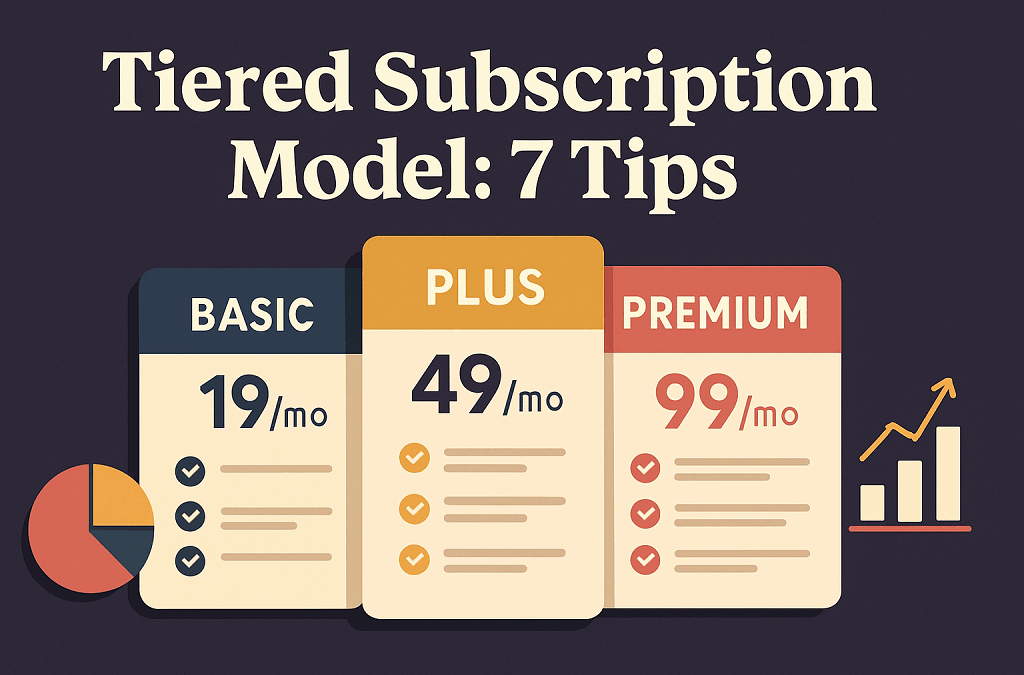
So what is it, exactly? At its core, a tiered subscription model means you’re offering different subscription tiers — each with a unique bundle of perks, access levels, or content — all priced accordingly. Your $5 supporter might get weekly videos. Your $25 fan could unlock private streams, early access, or exclusive chats. One system, multiple ways to pay and play.
This structure doesn’t just widen your income potential. It gives your audience a choice — without forcing you to drop prices or over-deliver to freeloaders. Whether you’re running a cooking channel, a gaming stream, or a full-blown adult site, a tiered plan means you get to meet your fans where they are — and grow your brand without outgrowing your audience.
Let’s break down seven tips for building a tiered subscription model that actually works — especially if you want full control over your content and revenue.
Don’t Guess — Segment Your Audience First
A tiered subscription model only works if the tiers match real user behavior. That means guessing won’t cut it. Before you build anything, take a hard look at who’s actually using your content — and how.
You’re not just dealing with “fans” or “followers.” You’ve got lurkers who never pay, casuals who might toss a few bucks for extras, and high-spenders who want more access, more intimacy, more control. If you don’t account for each of those types, you’ll either undersell your premium offerings or alienate your broader base. Neither is good.
Think of an adult content creator with a loyal fanbase. Maybe only 5% of the audience is really active with tips, comments, or custom requests — but those 5% are the ones driving half the revenue. If you’re charging them the same as everyone else, you’re leaving money on the table. You need a subscription tier that gives them the premium treatment they’re already leaning toward.
How do you figure out what users want? A few solid methods:
- Run simple surveys asking what they’d pay for (behind-the-scenes content, early drops, 1-on-1 messages).
- Test different offers — even small tweaks in pricing or features — and measure results.
- Review chat logs, fan comments, stream replays. People leave clues.
- Start with a beta tier, watch how it performs, then adjust.
It doesn’t need to be perfect out of the gate. But it does need to reflect how your audience actually behaves — not how you hope they behave.
Building for Behavior, Not Status
Avoid designing tiers that feel like some rigid hierarchy. This isn’t about putting users in “classes” — it’s about matching value to intent. One user might want to quietly support with no perks. Another might want VIP access to your cam shows and to tip live. They’re both valuable — in their own ways. So build with both in mind.
Make Every Tier Feel Complete

The point of a tiered subscription model isn’t to tease your audience with what they can’t have — it’s to give them real choices that make sense for where they are.
This is where many creators, coaches, streamers, and businesses mess up. They treat lower subscription tiers like a waiting room — bland, limited, just a funnel to upsell. But that’s a short game. If your entry-level tier feels like a downgrade, people won’t stick around long enough to upgrade.
Instead, every tiered plan should stand on its own. Your basic tier? Maybe that includes community chat access, exclusive posts, or standard-definition streams. It should feel like a solid, fair offer — especially for casual fans or cost-conscious viewers. Mid-tier? That’s your value layer — maybe live Q&As, HD video, or partial access to archives. And your top-tier? That’s where loyalty lives: backstage access, 1-on-1 sessions, premium content drops, maybe even discounts on merch or private bookings.
Whether you’re running an adult cam brand, hosting educational livestreams, or selling behind-the-scenes creator content — each level should feel intentional.
Avoid Feature Starvation
Don’t cripple your entry-level users just to force an upgrade. Give them enough value to feel satisfied — and curious. Then, layer in the perks for your upper tiers that feel like genuine rewards, not withheld basics.
Think: “This is great… but that looks even better.”
That emotional progression is what keeps users engaged. A tiered system isn’t a ladder they must climb — it’s a map of experiences they can explore. If your tiered membership feels like a menu of good choices rather than a game of bait-and-switch, your churn rate will thank you.
This is the heart of smart subscription plan examples — real benefits, real engagement, real revenue.
Keep Your Tiers Easy to Understand

Most people won’t scroll down your entire page just to figure out what they’re paying for. If your tiered subscription model feels like a puzzle, you’ll lose them before they even click “Subscribe.”
The golden rule: each subscription tier should be immediately recognizable — in both name and value. Keep the naming simple. “Basic,” “Pro,” and “Ultimate” work for a reason. Or if your brand has a personality (and your audience loves a theme), lean into it. A dating coach could offer “First Date,” “Exclusive,” and “Soulmate.” An adult content creator? “Voyeur,” “Flirt,” and “VIP.” Just make sure the labels connect to the benefits.
And those benefits? Show them. Visually. Nobody wants to read a block of bullet points. A clean comparison table can do 80% of the work for you — fast.
Here’s what that might look like:
| Plan Name | Monthly Price | Features Included |
| Voyeur | $5 | Access to standard content archive, community chat, low-res streams |
| Flirt | $15 | All of the above + HD videos, exclusive weekly uploads, partial archive access |
| VIP | $35 | Everything + private live streams, custom content requests, merch discounts |
Don’t overstuff each row. Keep the columns scannable. People should get the idea in five seconds — tops.
It’s also smart to highlight the “best value” tier — usually the middle one — with a badge or subtle glow. That psychological nudge often works better than pushing the most expensive plan outright.
A well-designed tiered plan should feel like it’s guiding users, not confusing or overwhelming them. If your viewers can’t explain the difference between your tiers to a friend in one sentence, simplify.
This is where many types of subscription models fall apart — not in pricing, but in presentation. Clear beats clever. Every time.
Upgrade Paths Should Be Effortless

A lot of users won’t jump straight into your highest tier. They’ll dip their toes in first — maybe out of caution, maybe just curiosity. That’s fine. What’s not fine? Making it hard for them to upgrade when they’re ready.
A smart tiered subscription model should treat every user like they’re on a journey. That means offering low-friction upgrade paths. One-click bumps. No need to cancel and re-subscribe. No form-filling. Just “Upgrade” — and done.
There’s psychology behind this: users feel safer committing to more when it doesn’t mean starting over. Especially in adult content spaces, where someone might subscribe for basic access, then get hooked on your vibe — or one viral stream — and suddenly want it all. That’s your moment.
Reward that interest. Offer countdown perks (“Upgrade in 24h to unlock tomorrow’s exclusive drop”), loyalty bonuses (“After 30 days on Basic, you get 20% off VIP”), or just tease unlockable content that only appears after a tier shift.
The same thinking applies across different types of subscriptions — whether you’re selling video, chat access, or even physical product bundles. What matters is that users always feel there’s something more waiting. But only if they take that next step.
Adult streamers often use this to full effect. After a particularly popular stream, they’ll shout out perks only available in upper tiers — behind-the-scenes content, fan votes, or early event invites. It turns the upgrade into a reward, not a demand.
Bottom line: if someone’s already paying, they’re more likely to pay more — but only if you make it effortless.
Mix Subscription Types When It Makes Sense

There’s no rule that says a subscription has to be monthly. Yet far too many creators — especially newer ones — fall into the trap of offering only a standard recurring plan. That’s fine for Netflix. But you’re not Netflix.
The best tiered subscription model isn’t just about stacking price points — it’s about stacking formats. Adding variety in how people pay can unlock entirely new revenue from fans who don’t want to commit long-term or who want special perks, fast.
Let’s say your base tiers are monthly. Great. Now layer on top a limited-time VIP chat event. Or a pay-per-view stream that drops once a week. Or a milestone-based unlock — maybe when a fan tips $100, they get access to an exclusive “superfan” tier with permanent benefits.
These aren’t gimmicks. They’re alternate types of subscriptions, and they serve different buyer behaviors. Someone who won’t pay $30/month might drop $10 right now for a one-night-only show. Someone else might climb your fan ladder slowly — tipping, gifting, participating — until they’ve essentially built their own custom membership.
That kind of flexibility matters a lot on fan-driven platforms — and especially in the adult space, where engagement varies wildly by mood, timing, and personal preference. You’re not just offering content. You’re offering choice.
One Size Doesn’t Fit All
Here are some common types of subscriptions to consider blending into your model:
- Recurring: Weekly, monthly, quarterly — the classic “set it and forget it” model
- Pay-per-view: Great for events, one-time releases, or reruns of premium content
- Milestone-based: Unlock tiers after fans reach certain spend thresholds
- Usage-based: Charge per chat minute, video unlocked, or file downloaded
- Time-limited access: Access for 24 hours, 3 days, or weekends only — perfect for flash content
Mixing models doesn’t confuse your audience. It shows them you understand how they spend.
Use Analytics to Tune Your Model
Once your subscription tiers are live, don’t just set them and walk away. Even the best-looking pricing model can miss the mark without data to back it up.
Analytics tell you what’s really working — and where people lose interest. You might think your $19.99 mid-tier is a sweet spot, but if everyone either stops at the $5 tier or jumps straight to $50, something’s off. Either your mid-tier isn’t pulling its weight or the perks aren’t convincing.
Retention per tier is another goldmine. Are your top subscribers sticking around, or do they cancel after a month? What about upgrade behavior — are free users converting, or do they vanish without a trace? And don’t ignore refund reasons. If people consistently bail from a certain tier, that’s a flag worth chasing.
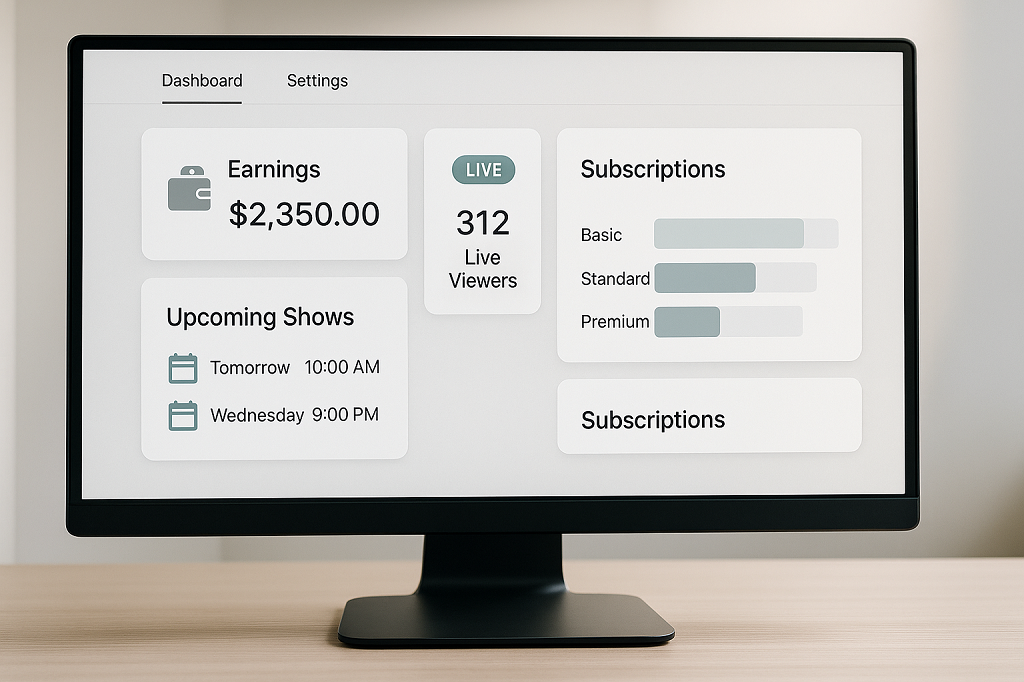
Scrile Stream clients get access to native dashboards that highlight this kind of stuff. But even if you’re using external tools like Stripe, Mixpanel, or Amplitude, the same metrics apply.
Here are the numbers you should check regularly:
- Tier retention rate: How long users stay in each tier before upgrading, downgrading, or leaving
- Upgrade rate: What percentage of users move to a higher tier, and when
- Conversion rate: How many free users become paying subscribers, and at which level
- Churn triggers: Common points where users drop off (e.g., right after trial ends)
- Refund reports: What’s driving refund requests or cancellations — price, content, confusion?
These signals help you fine-tune everything: names, pricing, benefits, even the way you pitch each tier. A good tiered model grows with you — but only if you watch how it behaves.
Don’t Undervalue Your Top Tier

The biggest mistake with premium tiers? Playing it safe. If your top tier doesn’t feel bold, exclusive, and a little bit indulgent, you’re missing the point — and the profit.
Your highest subscription tier should cost more. Not just for revenue’s sake, but because premium users want to feel like they’re part of something few others get. That’s the psychology behind tiered membership: exclusivity makes people value it more. And they’ll often choose the top simply because it is the top.
What should this elite tier include? It depends on your brand, but here are some real-world perks that actually work:
- Live shoutouts or Q&As during private streams
- Behind-the-scenes content or “day in the life” exclusives
- Early access to new video drops
- Branded merch shipped to subscribers quarterly
- Discount codes for fan meetups, collabs, or limited-edition content
- Priority response in DMs or premium support
Even adult content creators and fan-driven platforms can use these ideas — not everything has to be digital. Physical perks and personal interaction can massively increase perceived value.
Price Anchoring Works
Here’s a sneaky but effective trick: introduce a “decoy” tier. Let’s say your main offer is $69/month. By placing it next to a $199/month “Ultra VIP” tier, suddenly $69 doesn’t seem so steep. It feels like a sweet spot. That’s price anchoring — and it’s one of the oldest tactics in the book, because it works.
Just make sure your top tier has real meat behind it. Nothing turns off a buyer faster than a big price tag with vague promises. Your premium should feel intentional, designed, and full of high-touch extras that others envy.
Bottom line? Charge what you’re worth. The users who go all-in want you to let them.
Subscription Pricing Strategy: 5 Tips
Subscriptions have become the default way to sell online because they create habits. People pay once, they stay in the loop, and every renewal stretches the lifetime value of that customer. Numbers back this up: analysts point out that optimizing monetization through subscription pricing has a bigger impact on profit than pouring cash into new sign-ups. Retention multiplies margins. Acquisition just keeps you busy.
The model works across wildly different industries. A SaaS company charges per seat for project management tools. A digital education platform offers tiered access to lessons and certifications. Adult creators and webcam models mix monthly subs with pay-per-view extras, building fan loyalty that turns into steady income. Each case proves the same point — a good subscription structure builds predictability, while a bad one leaks cash and drives churn.
In the next sections, we’ll break down the mechanics of subscription models, show examples that actually work, and highlight five actionable tips that can help any subscription-based business — from cam platforms to online classrooms — tighten pricing and grow revenue without guesswork.
Designing a subscription pricing strategy isn’t about guessing a number and sticking with it forever. It’s a process that bends and shifts as your audience grows. The right approach can keep customers engaged, reduce churn, and stretch lifetime value. The wrong approach locks you into a corner where growth becomes harder with each new subscriber.
Here are five practical tips that businesses — from SaaS startups to webcam studios — can use to sharpen their pricing and keep revenue flowing.
Tip 1: Build Flexibility Into Your Tiers
Subscriptions are seldom one price for all. Your audience consists of casuals, serious fans, and heavy spenders. Changing them all similarly all the time tends to leave revenue on the table. That’s why tiered design is one of the most proven cornerstones of a robust subscription pricing system.
A flexible setup might look like this:
- Entry level: Affordable access for newcomers who want to test the waters.
- Mid-tier: Added features or extra content for regular users.
- Premium: Exclusive perks for superfans or business clients willing to spend more.
The advantage is obvious: you match price to intent. Someone exploring a SaaS tool casually shouldn’t pay the same as a corporate client rolling it out across a department. In adult streaming, a casual viewer might pay for general access, while a dedicated fan pays for premium live shows. Flexibility keeps both audiences happy without forcing one into the other’s mold.
The risk, of course, is overcomplicating things. Too many tiers confuse buyers. Three or four is usually the sweet spot — enough choice to capture variety, not so much that people freeze on the checkout page.
Tip 2: Use Data-Driven Adjustments
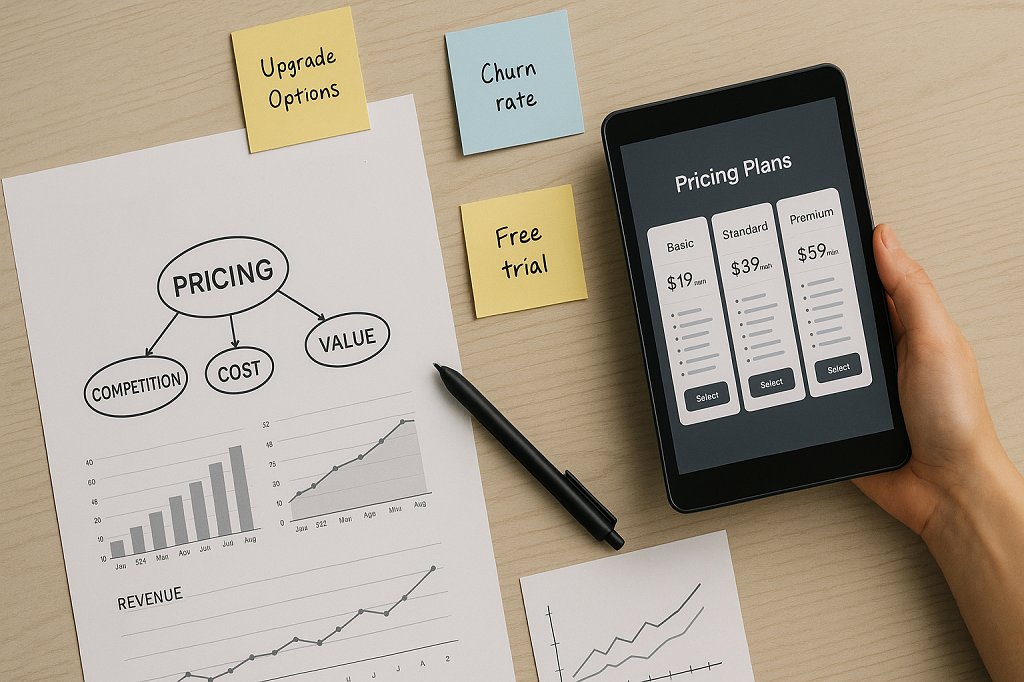
Once you get tiers established, that’s when the hard work really begins. Pricing is not about being set in concrete — it’s all about what your end-customers genuinely do with it. A subscription pricing strategy is more about hard data than gut feel.
The strongest indicators most often localize in three sites:
- Churn data: If people cancel right after a trial or during their first month, the price might not match the value they feel.
- Lifetime value (LTV): Customers who stick around longer often justify a higher rate, while short-lived users may need a cheaper entry option.
- A/B testing: Running parallel experiments with slightly different price points or bundle structures can reveal where the sweet spot lies.
Dashboards and customer surveys often reveal these insights for digital platforms. Retention curves show the same story in adult streaming — are viewers sticking around for months, or leaving after the first purchase? Whatever the industry, the numbers are what guide the tweaks.
The danger is ignoring the signals because you’re afraid to make changes. Pricing feels like a fragile thing, but the data usually shows patterns worth acting on. Small adjustments — a few dollars up or down, or shifting features between tiers — can dramatically change revenue outcomes without alienating loyal customers.
Think of data as your steering wheel. Without it, you’re guessing in the dark. With it, your subscription pricing strategy becomes a cycle of testing, learning, and refining. The businesses that win are the ones that treat pricing as a living system, not a locked box.
Tip 3: Align Features With Perceived Value

One of the fastest ways to break trust is to stack tiers with features that don’t actually matter. Users aren’t impressed by long lists; they pay for the things they feel are worth it. That’s why a smart subscription pricing strategy keeps the spotlight on perceived value instead of stuffing bundles with filler.
Think about how people weigh their options. A mid-tier plan with a feature nobody cares about won’t convert. But if you put the “must-have” function in the right place, customers will naturally gravitate toward it. For webcam models, that might mean keeping premium live interactions or private chat access reserved for higher levels. For SaaS, it could be advanced integrations or extra storage.
A good way to test alignment is to ask: would the customer actually notice if this feature disappeared? If the answer is no, it probably doesn’t belong in the pricing table.
To keep features aligned with value:
- Map essentials clearly: Show exactly what a subscriber gains at each tier.
- Avoid padding: Don’t create fake “value” with features nobody uses.
- Listen to feedback: What users request most often should guide the placement of benefits.
When features and pricing line up, subscribers don’t feel like they’re being tricked. They see the logic in moving up a tier. That clarity is what makes a subscription pricing strategy sustainable: fewer cancellations, more upgrades, and stronger customer loyalty.
Tip 4: Leverage Regional Pricing

One mistake many businesses make is charging the same subscription fee everywhere. A flat global rate might look simple, but it ignores how differently audiences in various regions value digital services. What feels affordable in North America may be completely out of reach in parts of Asia or Latin America. On the other hand, European users might expect higher standards of support and compliance before paying the same fee.
Adjusting subscriptions to match local purchasing power can unlock whole markets that would otherwise stay closed. Streaming platforms often discover that regional pricing dramatically expands their audience base without hurting overall revenue. A lower price in one country can still deliver strong margins if costs of delivery and customer support are also lower.
Here are a few ways companies make regional pricing work:
- Currency localization: Show prices in local currency instead of forcing people to calculate conversions.
- Market-specific tiers: Offer simplified plans in lower-income regions rather than replicating the entire global tier structure.
- Behavioral insights: Track how users in each region engage with content — some pay for volume, others for exclusivity.
This strategy doesn’t just increase conversion, it also decreases churn, because people feel that the service is appropriately priced for their world. Flex regional pricing can help creators tap markets many times larger than their home market, while still having longtime fans in wealthy regions pay full price.
Tip 5: Experiment and Evolve
No price for subscription lasts forever. Human behavior changes consumption patterns, market disrupters remake marketplaces, and even that own content evolves over time. What’s brilliant is to view pricing as a continuous experiment, rather than a single-time decision set in stone.
For webcam creators, this might mean adding a temporary premium tier for private shows and seeing if fans bite. Online educators can trial a bundle that mixes live classes with recorded sessions, then measure whether students stick longer. Even small changes — like offering quarterly billing instead of monthly — can reveal patterns in commitment levels.
A few ways businesses often test without blowing up their base:
- Short trial runs with new tiers to gauge appetite before making them permanent.
- Seasonal promos (holiday bundles, limited-time premium content) to see if urgency drives upgrades.
- Splitting audiences quietly — some users see a slightly different price or feature set, and you track which group performs better.
- Tracking not only sales but also retention: a price experiment that boosts sign-ups but tanks loyalty is a failure.
Case Studies & Subscription Pricing Examples
Looking at real businesses helps to see how different models play out in practice. Pricing isn’t theory — it’s shaped by what users accept and what keeps them coming back.
One of the more familiar examples comes from communication tools. Zoom and Slack popularized the tiered approach: a free starter tier, a reasonably priced mid-level for small teams, and an enterprise package with custom quotes. The genius of this setup is how it funnels people upward. As soon as usage grows, the free version feels too cramped, and the mid-tier feels like a natural step.
In the adult space, cam sites often lean on a hybrid structure. Fans pay a recurring subscription for general access but can also purchase pay-per-view private shows or clips. This mix solves a common problem — balancing predictable recurring revenue with the flexibility for fans who want one-off interactions. It’s also an effective way to reward loyal followers while keeping casual visitors engaged without commitment.
A fitness streaming app takes yet another route: a low-cost trial period designed to hook newcomers, followed by premium upsells for advanced classes, nutrition plans, or live coaching sessions. The trial feels affordable, but the real profit comes when motivated users move into higher-priced packages.
These examples highlight how varied the answers can be when deciding how to price a subscription service. What works for video conferencing software may not work for adult content or fitness, but the core principle is the same: design pricing around behavior, not just spreadsheets.
Scrile Stream: Build a Subscription System That’s Yours
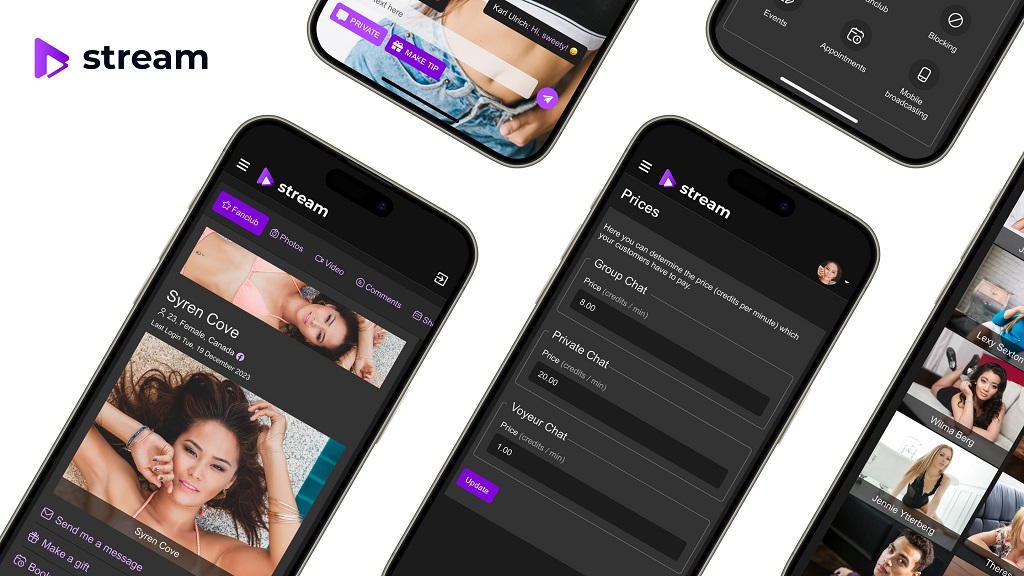
If you want full control — from features to revenue splits — build your own system.
Scrile Stream is a custom development service tailored for creators, adult entertainers, and video entrepreneurs who need a flexible, powerful backend for streaming and monetization. You get full-featured support for HD video, WebRTC and RTMP delivery, tipping, pay-per-minute shows, and advanced subscription systems.
The service includes everything required to launch a white-label streaming site — branded your way, with your own business logic. You define the subscription tiers, set pricing, manage perks, and keep your audience inside your ecosystem.
Scrile Stream also includes built-in analytics to monitor how users move between tiers, what content drives upgrades, and where retention can improve. The infrastructure is ready to scale as your business grows.
For creators who want lasting independence — and a monetization model that evolves — Scrile Stream delivers the full foundation.
Conclusion: Tiered Models Work — If You Make Them Work
A tiered subscription model isn’t some fancy trick reserved for big platforms. It’s a smart, flexible way to let fans support you how they want — without forcing them into a one-size-fits-all bucket. From casual viewers to your biggest supporters, every tier can serve a real purpose. It’s not about locking features behind paywalls. It’s about giving people choices that feel fair, rewarding, and easy to understand.
If you’re running a streaming business — adult or otherwise — tiered membership can unlock stable monthly income, better retention, and a clearer path to scale. But only if you design it with care. Segment your audience, simplify the experience, offer real value at each tier, and keep tracking what’s working.
Don’t let your content live inside someone else’s limitations. If you’re ready to build a brand that’s yours — with your pricing, your audience, and your rules — Scrile Stream makes that possible. It’s not just another video site in a box. It’s a way to launch your own platform on your terms.
Build your own subscription empire with Scrile Stream today.
FAQ
What is a tiered subscription?
A tiered subscription model breaks pricing into levels — each tier offers a different mix of features, content, or perks at a specific price point. It’s a way to give users flexible choices and boost recurring revenue.
What is a tiered service model?
A tiered service model organizes customer support into levels. Basic issues go to Tier 1, while more complex ones get escalated. It’s about using resources efficiently to solve problems faster and better.
What is a tiered membership?
Tiered memberships reward customer loyalty by offering perks based on activity, engagement, or spending. The more someone supports you, the more they get back — early content, discounts, VIP access, and more.
Your point of view caught my eye and was very interesting. Thanks. I have a question for you.