
When done right, pricing isn’t just a line on a checkout screen — it’s the backbone of your business. And if you’re building something in streaming, there’s no avoiding it. Just look at the big names. Services like Netflix and Spotify didn’t win people over with fancy visuals alone. They nailed how to charge for access in a way that felt fair, simple, and worth sticking around for. These are some of the most well-known subscription pricing examples, and they’ve helped shape how millions of people now expect to pay for digital content.
But it’s not a one-size-fits-all story. Pricing isn’t just about picking a number. It’s about choosing the right structure — whether that’s a flat monthly fee, a tiered model, or something usage-based. In this article, we’ll unpack seven distinct pricing models that streaming businesses use today, along with real-world examples and practical guidance for choosing what works. Because getting pricing right isn’t a technical task. It’s a business move.
Strategy, Model, Execution — Know What You’re Working With
Before setting a price, it’s important to know what you’re actually deciding. Most people blur the lines between strategy, model, and execution, but each one plays a different role in shaping how your service makes money.
A subscription pricing strategy is your business logic. It’s not about the numbers — it’s about why those numbers make sense. Do you want more users quickly? Or fewer users spending more? Are you selling convenience, exclusivity, or non-stop access? Your strategy reflects the value you offer and the kind of audience you’re aiming to attract.
The subscription pricing model is what people see on your pricing page. It’s the structure behind the offer — not the price itself. Flat rate, pay-per-use, tiered access, freemium — these are all models. They help organize value into something users can understand.
Execution is how you deliver that model. This includes billing cycles, free trials, upgrade logic, and what happens when a payment fails. It’s easy to overlook, but this is often where churn starts.
How It Really Works
You need all three working together:
- Strategy = the reason behind your pricing decisions
- Model = the format users interact with
- Execution = how the system handles payments and access
For streaming services, this matters even more. A daily user expects a different kind of value than someone who logs in once a week. And the more time someone spends watching, the more your pricing structure has to make sense to them. If your light users feel ignored — or your heavy users feel capped — you’ll see that pain show up in your retention metrics.
You don’t need to get it perfect on day one. But you do need to know what you’re building. Treat pricing like part of the product, not something to tack on at launch. In the next section, we’ll talk about how to find the number that fits — without playing the guessing game.
How to Determine Subscription Price Like a Pro
You can build something great, get people curious, even nail the design — and still mess everything up with the wrong price. That’s the part many creators skip. They look at a competitor’s number, copy it, and hope for the best. But pricing isn’t copying. It’s positioning. It’s knowing your users and understanding what your content means to them.
If you’re in streaming, there’s no universal answer. Some viewers log in daily, others show up once a month. That’s why pricing has to reflect both the offer and the behavior behind it.
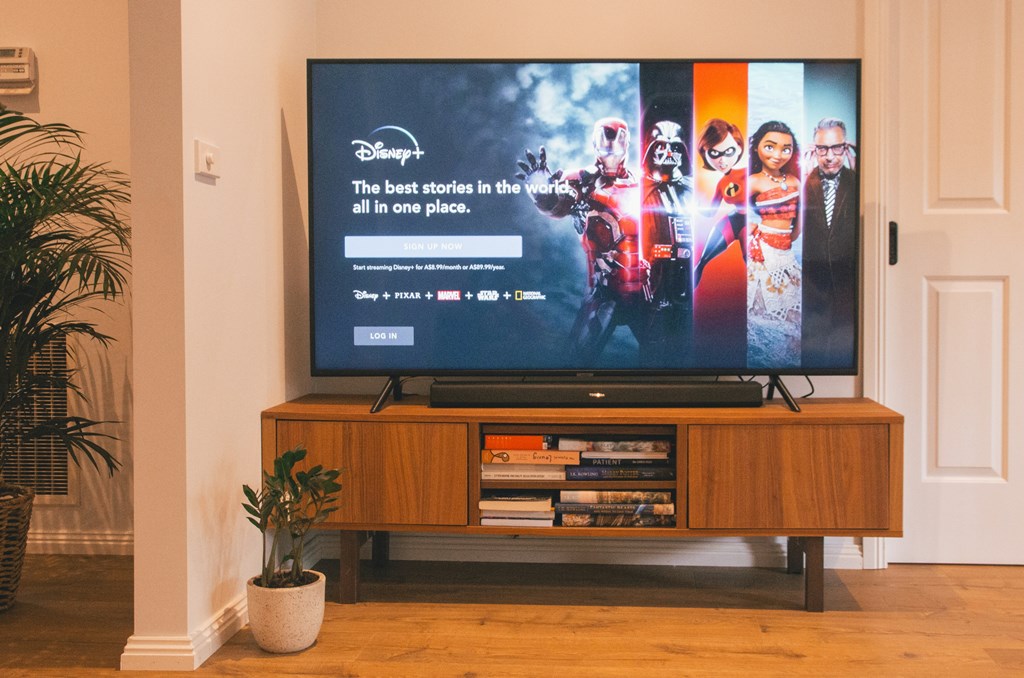
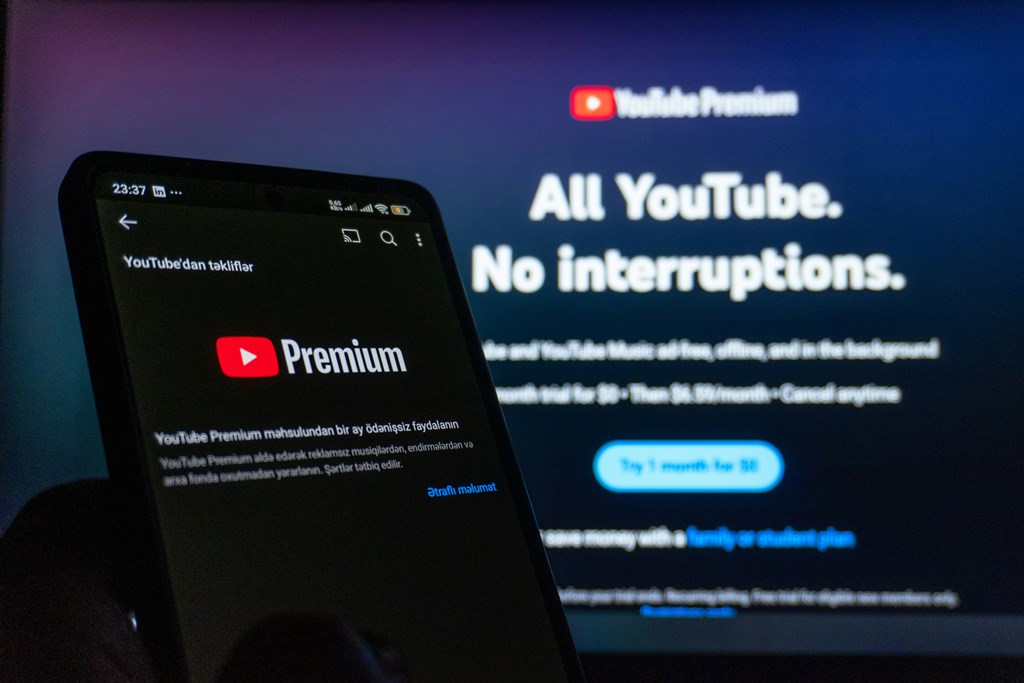
Start by scanning the market. Look at Disney+, YouTube Premium, maybe even niche streamers with smaller catalogs but tighter communities. Those are all valid subscription pricing examples — and each one targets a different balance of volume vs. exclusivity. This isn’t about matching them. It’s about seeing what audiences are used to, and where your service fits in that mental landscape.
Use Behavior, Not Hunches
Instead of asking “what feels right,” ask better questions. How often do people use your service? What do they value most? Where are they dropping off? These are the signals that lead to sustainable pricing.
A few ways to test and shape your pricing before committing:
- Try split pricing with early users. Offer slightly different pricing plans to separate test groups and track which ones convert or stay subscribed longer. You’ll spot patterns quickly — sometimes even a $2 difference changes everything.
- Use “founder pricing” to gather early feedback. Offer a low, limited-time plan for your first users. It gives you data and loyalty while keeping the door open for future price changes.
- Talk to your users. Not with a survey full of boxes — real conversations. Ask them what they think your service should cost, and why. You’ll hear value cues you never thought of.
- Experiment with gated content tiers. Put certain features or streams behind different access levels and watch what people gravitate toward. It shows what’s actually worth paying for.
- Calculate the cost of activity. How much does one hour of streaming cost you to deliver? Compare that to what each user pays. If you’re upside-down on heavy users, it’s time to rethink your base price.
The keyword here is flexibility. The more you listen and adapt early on, the more stable your revenue will be later. Learning how to determine subscription price isn’t a one-time task. It’s a loop. Listen. Adjust. Repeat.
Subscription Pricing Examples: 7 Models
Choosing how to charge for access shapes everything — from how users interact with your service to how much they stick around. These aren’t just price tags. They’re decisions that affect audience growth, churn, and profitability. The right pricing model defines your pace, your audience expectations, and your potential for scale.
If you’re running a streaming business, you need more than one-size-fits-all thinking. Below are seven subscription pricing examples that show how different approaches work across real-world use cases. Whether you’re a solo creator or launching a white-label platform, there’s a structure here that can fit — or spark a better idea.
Model 1: Flat Rate Subscription

Best for: straightforward streaming access with minimal complexity
This is the cleanest option. One price. One level of access. Flat rate subscriptions work well when your content offering is simple and broad — like an all-access video library or ongoing livestream content. Think Apple Music, where users pay a fixed monthly fee to listen to everything without restrictions.
Pros:
- Easy for users to understand — no surprises, no decisions to make
- Predictable recurring revenue and lower support costs
- Simple to implement across most payment systems
Cons:
- Doesn’t account for light vs. heavy users — light users may churn, heavy users might cost more than they pay
- Limited flexibility if you want to grow your offerings later
- Leaves money on the table if users are willing to pay more for extra value
Flat pricing works well at scale, especially if you’re targeting mass adoption or just getting started. But it assumes all users have the same needs — which isn’t always true in streaming. Still, as one of the most popular subscription pricing examples, it’s a solid baseline.
Model 2: Tiered Pricing
Best for: platforms with gated features, multiple audience segments, or premium experiences
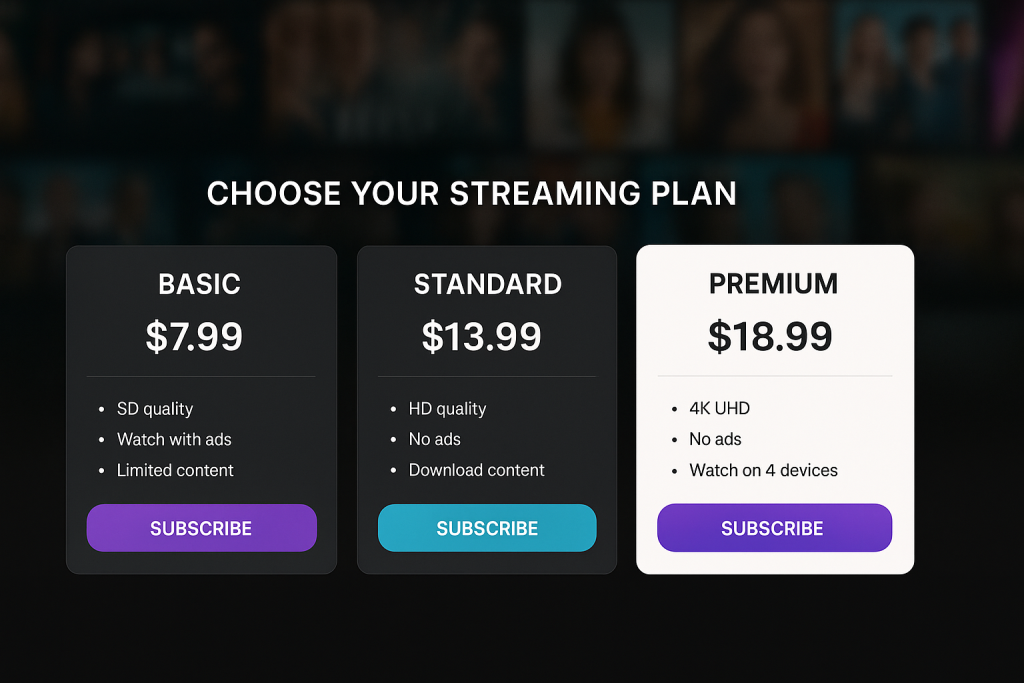
Tiered pricing gives users options. They pick from different plans — basic, standard, premium — each unlocking more features, content, or usage limits. It’s a smart model for creators and platforms who serve varied audiences. Twitch Turbo offers a basic streaming experience to all, while paid tiers remove ads and add benefits. Likewise, streaming coaches often build tiered access: pre-recorded sessions at one price, live interaction at another.
Pros:
- Lets users self-select what they need and what they’ll pay
- Increases potential revenue from power users
- Encourages upgrades as users grow into your service
Cons:
- Can be confusing if not clearly explained
- Requires thoughtful feature segmentation — not everything should be gated
- Support complexity increases with more plan variations
Tiered pricing is highly adaptable, and this is the best thing about it. It is also a means of finding out what functionality users will really appreciate. Perhaps the issue that the users are unwilling to pay for in the upgraded package simply doesn’t add up to the value of the premium price tag. Conversely, if the highest tier in the pricing structure turns out to be a huge success, you will know where value really lies.
Model 3: Freemium + Upgrade
Best for: attracting wide audiences and converting a portion into paying users
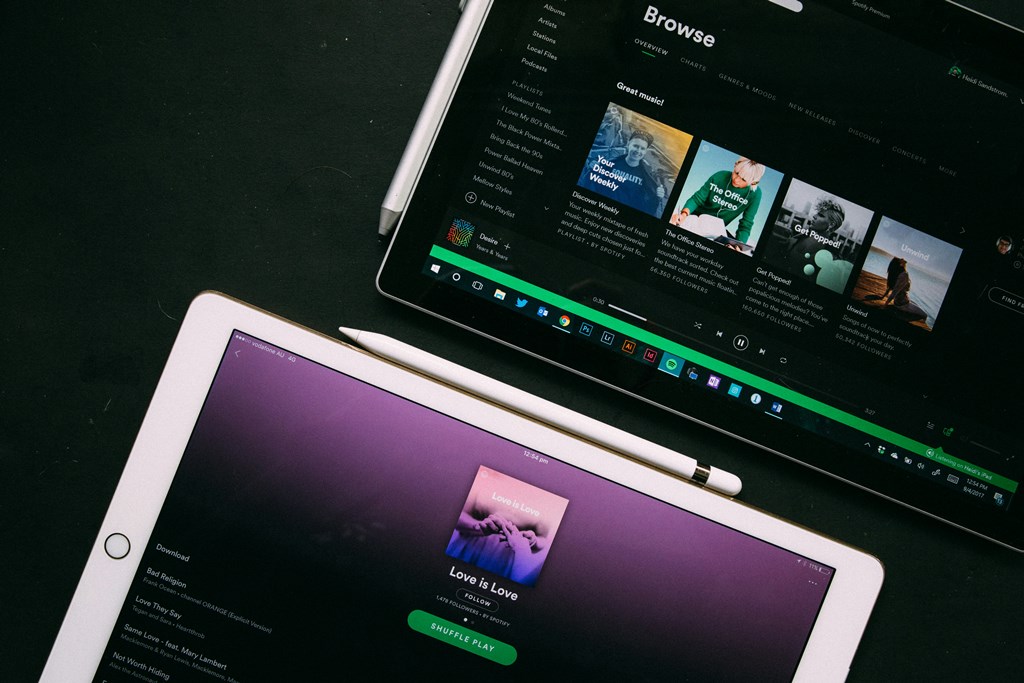
This creates a platform where everyone can test your service without having to make a payment commitment. The free service will provide limited access, enough to entangle them. They will then be able to pay for the upgraded access. Spotify is the best example of this model. They provide users with free access to their services but with ads. Paying them will remove the ad and provide offline access to their services.
Pros:
- Eliminates signup friction — users can test before they pay
- Great for building large user bases quickly
- Clear upgrade path once users find value
Cons:
- Many users may never convert, draining resources
- Ad-supported models can feel disruptive if not handled well
- You’ll need to monitor and manage free-tier abuse
Freemium works best when your free tier is useful but incomplete — enough to make users curious, but not enough to satisfy long-term needs. The risk is in giving away too much or attracting the wrong kind of users. But for many streaming startups, it’s the fastest way to grow an audience and gather product feedback while refining premium offers in the background.
Model 4: Per-User or Per-Seat
Best for: team-based streaming tools, webinars, corporate training platforms
This model charges by the number of users who access the service — whether they’re hosts, admins, or viewers. It’s commonly seen in software tools and is gaining ground in business-focused streaming environments. For example, platforms that host internal webinars or training sessions often bill clients based on how many team members have access.
Pros:
- Scales revenue in proportion to company size or team usage
- Transparent for business clients — they know exactly what they’re paying for
- Helps prevent account sharing in professional settings
Cons:
- Not ideal for consumer-facing platforms
- May discourage larger teams from joining if costs grow quickly
- User management features must be solid to support scale
Among all subscription pricing models, this one is best suited for B2B or enterprise use cases, not entertainment. But it can work for streaming platforms that offer live education, coaching programs, or internal content delivery. When used right, it turns each team signup into a scalable revenue stream — especially when paired with admin tools and analytics dashboards.
Model 5: Usage-Based (Pay-per-minute/view)
Best for: private streaming, one-on-one video sessions, pay-as-you-go formats
Instead of charging a flat fee, this model ties payment directly to how much a user consumes. It’s common in webcam sites, live coaching, or virtual consulting, where users pay per minute or per session. This model rewards creators for time spent and gives users full control over their spending. Think of adult streaming services, pay-per-view events, or personal coaching platforms — they all rely on direct value exchange.
Pros:
- Revenue aligns perfectly with usage
- Users only pay for what they consume — attractive for occasional viewers
- Strong potential for high-value, low-churn clients
Cons:
- Revenue can be unpredictable month-to-month
- Some users may avoid using the service to limit cost
- Requires accurate, real-time tracking and smooth payment flow
This setup demands trust and clarity. Users need to see exactly how they’re being billed and feel in control of the experience. But when transparency is handled well, usage-based models feel fair and flexible — and can unlock premium pricing without the psychological resistance of a big monthly fee.
Model 6: Content Pack Subscriptions
Best for: seasonal libraries, niche content, and paywalled collections
This model charges users for access to curated content bundles — not the entire platform. Think of it as a streaming subscription sliced into focused offers. Educational sites often use this model, letting users buy specific courses or topic-based video packs. Niche fandom platforms also do well with this structure, offering exclusive content drops or seasonal video bundles.
Pros:
- Easy to target different audience segments with tailored offers
- Encourages higher perceived value for specific content
- Works well with event-driven or time-limited themes
Cons:
- Harder to build recurring revenue unless packs are refreshed often
- Can feel transactional instead of continuous
- Requires ongoing production to keep users engaged
This model thrives when content has clear boundaries — like “Spring Fitness Bootcamp” or “Advanced Camera Tutorials.” It also makes upselling easier. Instead of asking someone to commit to your entire platform, you invite them into a single experience first. If they like it, they’ll come back for more. And if each pack is priced right, they won’t mind paying again.
Model 7: Dynamic / Custom Pricing
Best for: platforms with varied user groups, complex access levels, or customized business models
This model gives you full control. Pricing can change depending on how users interact with your service, which features they use, or how often they show up. It’s often used on private creator sites or white-label platforms where different access rules and payment options are needed.
Pros:
- Supports any pricing logic — from per-content to tiered access
- Lets you build around high-value segments or niche communities
- Great for platforms that evolve quickly and add features over time
Cons:
- Setup is more complex and often requires a custom backend
- Confusing pricing can push users away if not communicated clearly
- Makes it harder to compare your offer with competitors
Custom pricing works well when your audience doesn’t all want the same thing. Some users pay for access to everything, others only need one type of content. This model helps you serve both without forcing everyone into the same plan. It also gives you room to experiment, test, and refine your offer over time — without rebuilding your entire system.
Comparison of Pricing Models:
| Pricing Model | Best For | Complexity | Monetization Potential |
| Flat Rate | General streaming access | Low | Moderate |
| Tiered | Multi-feature platforms | Medium | High |
| Freemium | High-volume traffic funnels | Medium | High (if upgraded) |
| Per-User/Seat | Team or B2B streaming | High | High |
| Usage-Based | 1:1 streaming sessions | Medium | Very High |
| Content Pack | Niche content monetization | Low | Medium–High |
| Dynamic | Custom monetization layers | High | Very High |
Choosing the Right Model for Your Streaming Business
There’s no single rule for how to price a subscription service. What works for one streaming brand might completely flop for another. The key is to match your pricing to your content, your audience, and how people use your service. That takes some upfront thinking — and a willingness to change your approach as you grow.
The best subscription pricing models aren’t fixed forever. They adapt. Maybe you start with one plan just to get people in the door. Later, you add upgrades, trial offers, or even switch to usage-based billing as your audience diversifies. The point is to stay flexible. Most successful platforms evolve their pricing two or three times as they scale.
Before setting any prices, it’s worth stepping back and asking a few basic questions:
Questions to ask before setting prices:
- Who is my ideal user — and how often do they use my content?
- What kind of content do I offer: always-on, time-limited, or personal?
- Are my users price-sensitive or value-driven?
- What would make someone upgrade from free to paid?
- How will my costs scale if usage increases?
Answering these honestly will help you avoid pricing based on guesses or pressure from competitors. It will also reveal which model fits not just your business today, but where it’s heading.
The goal isn’t just to get people to pay. It’s to make them feel like what they’re paying for is worth it — and that they’re still getting value months later. A well-chosen pricing model helps you build that kind of trust from the start.
Scrile Stream: A Custom Solution for Subscription Monetization
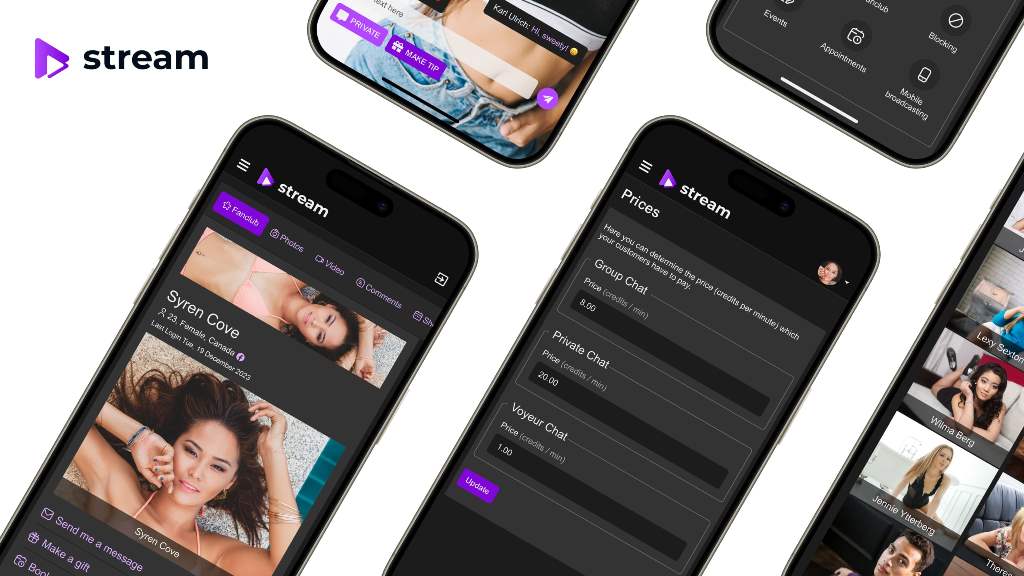
If you’re planning to build a streaming service with a pricing model that actually fits your audience, off-the-shelf tools usually fall short. Scrile Stream offers a different approach. It’s not a SaaS platform with rigid features. It’s a custom development service that helps you launch your own video streaming site with built-in monetization logic — designed your way.
Scrile Stream supports all the subscription pricing examples mentioned earlier. You can implement flat monthly subscriptions, multi-tiered plans, content-based bundles, or usage-based billing. Each system is developed to match your content type, target audience, and revenue model.
Whether you’re offering live webinars, private shows, on-demand tutorials, group coaching, or niche entertainment — the framework is flexible enough to handle it.
Key advantages include:
- Full control over billing logic
Set any pricing structure: per-minute, per-tier, per-user, or fully customized. - Integration with global and regional payment systems
Accept payments in various currencies using Stripe, PayPal, crypto, or local gateways. - User roles and permissions
Create unique access rules for viewers, streamers, hosts, or moderators. - Advanced content gating
Lock content behind subscriptions, packs, or event-based access points. - Flexible monetization features
Add tips, donations, pay-per-view pricing, or bundle offers into your workflow.
You’re not adapting your business to fit a tool. Scrile Stream adapts to your business. It gives you a way to launch a product that feels like your own — with a pricing system that works from day one.
Conclusion
Pricing is a decision that deserves attention from the very beginning. It shapes how users view your service and whether they stay long-term. That’s why it makes sense to approach it with clarity, patience, and a willingness to test.
Major streaming companies like Netflix continue to adjust their pricing models over time. They monitor what works, respond to new habits, and stay flexible as their audiences grow. That same mindset works for smaller businesses too.
Start with a model that matches your current offer. Watch how users respond. Track your revenue, usage patterns, and conversion points. When the data shows it’s time to shift, make the change with confidence.
Scrile Stream gives you the tools to make those changes without limits. If you’re building a streaming service and want full control over how subscriptions work, get in touch with the Scrile Stream team today.
FAQ
What is an example of subscription pricing?
Subscription pricing shows up across nearly every major streaming platform. Services like Netflix, Spotify, and Amazon Prime Video all follow the same idea: users pay a recurring fee to unlock a full library of content. These are some of the most recognized subscription pricing examples in the market today.
What is the subscription price?
A subscription price is the recurring amount a user pays to maintain access to a service. It’s usually charged monthly or annually, depending on the billing cycle. In streaming, this price supports consistent content delivery and ensures uninterrupted viewing.
What is a subscription-based pricing structure?
This structure gives users continuous access to a service in exchange for ongoing payments. Businesses benefit from recurring revenue, while users enjoy features, content, or services for as long as they stay subscribed. It’s ideal for media, learning platforms, and membership-driven sites.
Very actionable advice. I can start applying this right away.
Nice post. I learn something totally new and challenging on websites
I appreciate you sharing this blog post. Thanks Again. Cool.
Awesome! Its genuinely remarkable post, I have got much clear idea regarding from this post
Very well presented. Every quote was awesome and thanks for sharing the content. Keep sharing and keep motivating others.