
Most so-called streaming tips sound like shortcuts. Change this setting, buy that camera, copy someone successful. None of that helps if the basics are wrong. Real streaming tips are choices. How you sound. How you structure a session. What you show on screen and what you never show at all. These choices quietly decide whether people stay or leave.
Beginners usually drop out early for boring reasons. The stream feels awkward. Audio is bad. Nothing seems to happen for long minutes. Professionals hit a different wall. Growth slows, engagement fades, and streams start feeling repetitive. The starting point matters in both cases. A few correct decisions early on save months of frustration later. This guide focuses on those decisions, without pretending streaming is magic or effortless.
Start With a Clear Streaming Goal
The fastest way to lose momentum is to go live without knowing why you pressed the button. Aimless streams drift, viewers sense it, and numbers fall quietly. Clear intent gives shape to everything else — pacing, tone, even how long a stream should last. This is where solid streaming tips actually begin, long before overlays or equipment enter the picture.
There’s a real difference between streaming as a casual pastime and building something meant to grow. Hobby streams can survive on spontaneity. Growth-oriented streams cannot. Once you move past starting streaming for fun, every session needs a purpose that’s easy to explain in one sentence. Viewers decide quickly whether a stream is worth their time, and vague intentions don’t hold attention.
Common directions usually fall into a few practical categories:
- Entertainment-focused streams — personality-driven content, reactions, games, live discussions
- Education or expert-led streams — tutorials, coaching, walkthroughs, professional commentary
- Monetized private or premium streams — paid access, exclusive sessions, controlled audiences
A frequent beginner mistake is copying surface-level formats. Someone sees a successful streamer, mimics the layout, the jokes, even the schedule, without understanding what problem that stream solves for its audience. The result feels hollow. Viewers notice when a stream lacks direction.
A clear goal aligns expectations. People know why they’re there, what they’ll get, and whether they should come back. That clarity matters whether you’re learning how to start streaming or refining an existing format for better results.
Choose the Right Setup Without Overspending
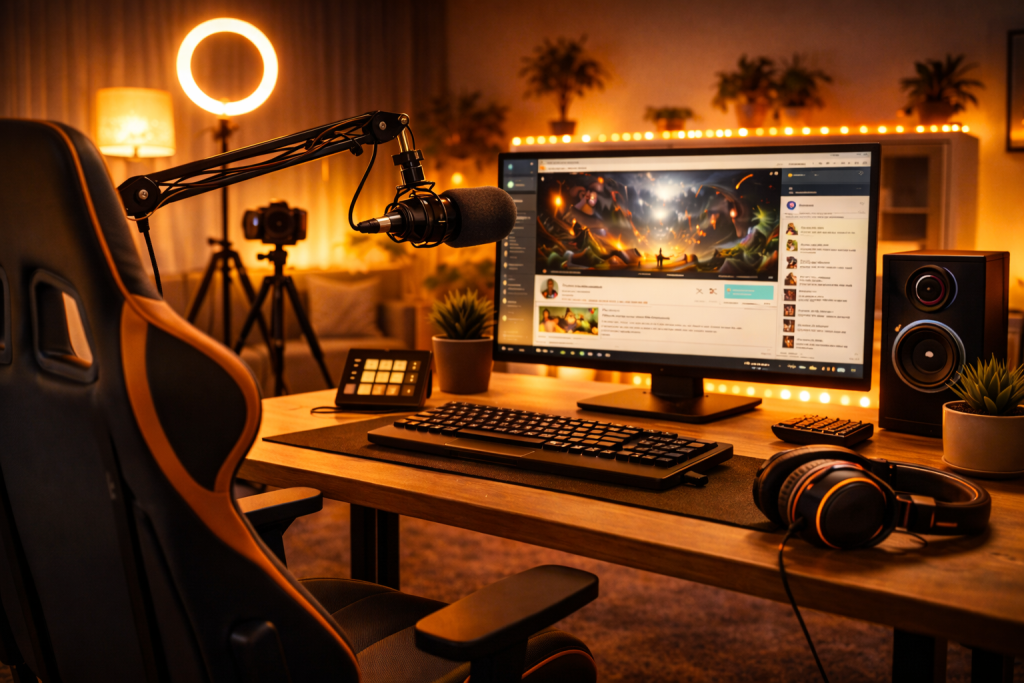
A common mistake when people start streaming is assuming quality comes from expensive gear. In practice, early technical problems are basic and predictable. Poor sound drives viewers away faster than soft video. According to platform analytics shared by streaming tools, most viewers decide whether to stay within the first 30 seconds, and audio clarity is the strongest factor in that decision. This is why setup choices matter more than price tags.
Audio should come first. A USB microphone with a cardioid pickup pattern reduces background noise and keeps voice levels consistent. Even entry-level models outperform built-in laptop mics by a wide margin. Video can wait. Streaming at 1080p and 30 frames per second already meets the expectations of most audiences learning how to get started streaming. Higher resolutions add processing load without improving retention at this stage.
Lighting shapes perception more than camera specs. One soft light placed slightly above eye level smooths skin tones and prevents harsh shadows. Desk setups work well for commentary, tutorials, and interviews because they control framing and sound reflections. Room setups look dynamic but demand more space, more light, and better sound treatment, which beginners often underestimate.
Many creators who later figured out how to be a streamer started simple. They delayed capture cards, multiple cameras, and decorative backgrounds. Those upgrades help only after habits, format, and audience expectations are clear.
Before spending, keep a short priority list in mind:
- Focus budget on sound quality and stability before visual polish.
- Choose lighting that improves visibility rather than decoration.
- Avoid buying advanced gear until real technical limits appear.
- Treat early setup as temporary while learning how to get into streaming.
This approach keeps costs controlled and progress steady.
Learn How to Look and Sound Natural on Camera
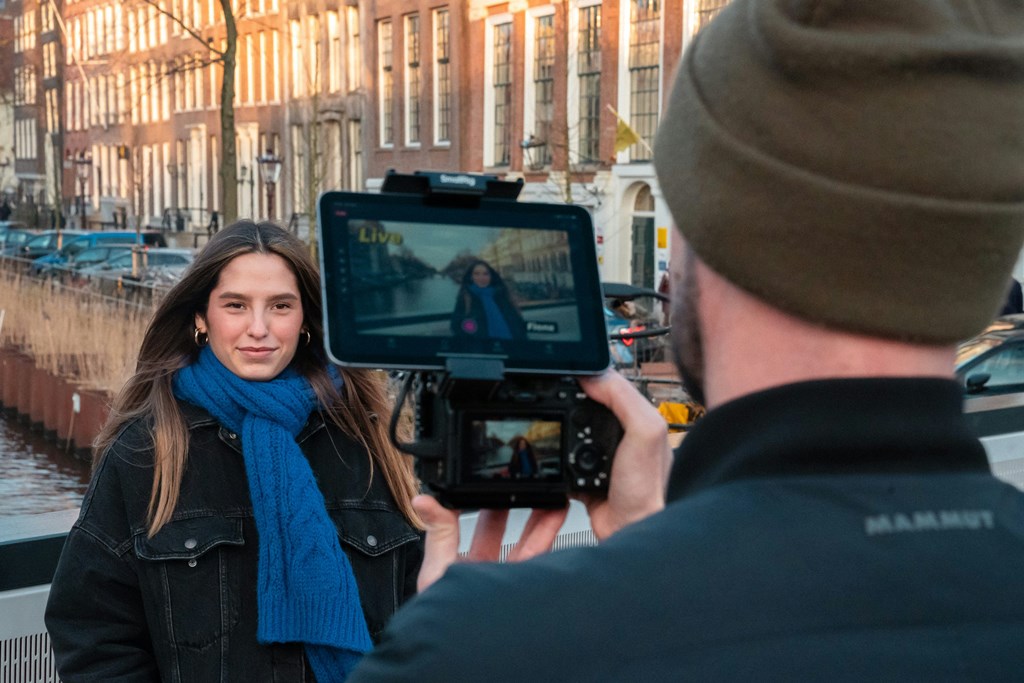
Confidence on camera is almost never natural. It’s built through repetition, feedback, and a bit of self-awareness. People who look relaxed on stream usually remember their early recordings very well, and they’re rarely flattering. This is where streaming tips stop being technical and start becoming personal. Viewers don’t expect perfection, but they do react quickly to tension, rushed speech, or awkward silence.
New streamers tend to struggle with the same habits. They stare at the preview instead of the lens, speak too fast to fill pauses, or sit rigidly as if posing for a photo. Eye contact improves when the camera is placed close to where you read chat. Posture matters because it affects breathing and voice control. A slightly slower pace sounds calmer and more confident, even when you feel nervous.
Experienced streamers rarely go live cold. Many do short warm-ups that look unremarkable from the outside but make a difference:
- reading a few paragraphs out loud to steady voice rhythm
- checking volume levels while speaking at normal, not “presentation” speed
- doing a two-minute private test stream to reset focus
Short test streams are especially useful when learning how to get started streaming. They remove pressure and help you adjust without an audience watching. Reviewing recordings helps, but only in small doses. Focus on one or two issues per session. Overanalyzing every gesture slows progress and kills momentum.
Structure Your Stream So Viewers Stay Longer
Unstructured streams rarely fail in dramatic ways. They simply leak viewers. Someone joins, nothing seems to be happening, the streamer is adjusting settings or talking without direction, and the tab closes. Most platforms show the same pattern in analytics: viewers decide whether to stay very early, often within the first minute. If that moment feels uncertain, they move on.
A simple internal structure changes this completely. Strong streams usually open with orientation. The streamer explains what’s about to happen and why it matters. The core segment follows, where the main activity lives. Interaction works best when it’s planned rather than improvised, woven into natural pauses instead of interrupting every sentence. Closings matter too. Ending a stream cleanly, with a short wrap-up or preview of the next session, leaves a stronger final impression than letting the stream fade out.
Good pacing is visible when you watch experienced creators. They alternate between speaking, reacting, and reading chat without rushing. Silence is used intentionally. Moments of focus are balanced with moments of engagement. These are subtle streaming tips, but they directly affect watch time.
Light outlines help without turning the stream into a script. A few notes on a second screen are enough. The goal isn’t control. It’s direction, so viewers always understand where the stream is going and why staying makes sense.
Audience Interaction Is Not Optional
Live interaction is the one advantage streaming has that recorded content can’t replicate. People don’t show up only to watch. They show up to be noticed. When interaction is missing, a stream feels like a delayed video with extra noise. That’s why anyone serious about how to become a streamer has to treat engagement as part of the content itself, not a bonus feature.
The most effective engagement moments are planned, even if they look spontaneous on screen. Experienced creators design space for viewers to participate instead of squeezing chat between sentences. A few approaches consistently work when applied with intention:
- Q&A moments that are clearly announced and time-boxed
Viewers respond better when they know questions will be addressed at a specific moment. It reduces spam, improves question quality, and keeps the main flow intact. - Polls that influence what happens next
Simple choices like selecting the next topic or approach give viewers a sense of control. These interactions feel meaningful because they change the stream’s direction. - Viewer-driven actions tied to clear triggers
Actions based on chat input or milestones work best when rules are explained early. Confusion kills participation faster than lack of interest.
A common mistake is talking at viewers while reading chat silently. Interaction should be visible and verbal. Managing chat without losing focus means acknowledging messages selectively and returning to the core topic. Well-applied stream tips keep the conversation active without letting it take over the stream entirely.
Avoid Mistakes That Kill Trust Early
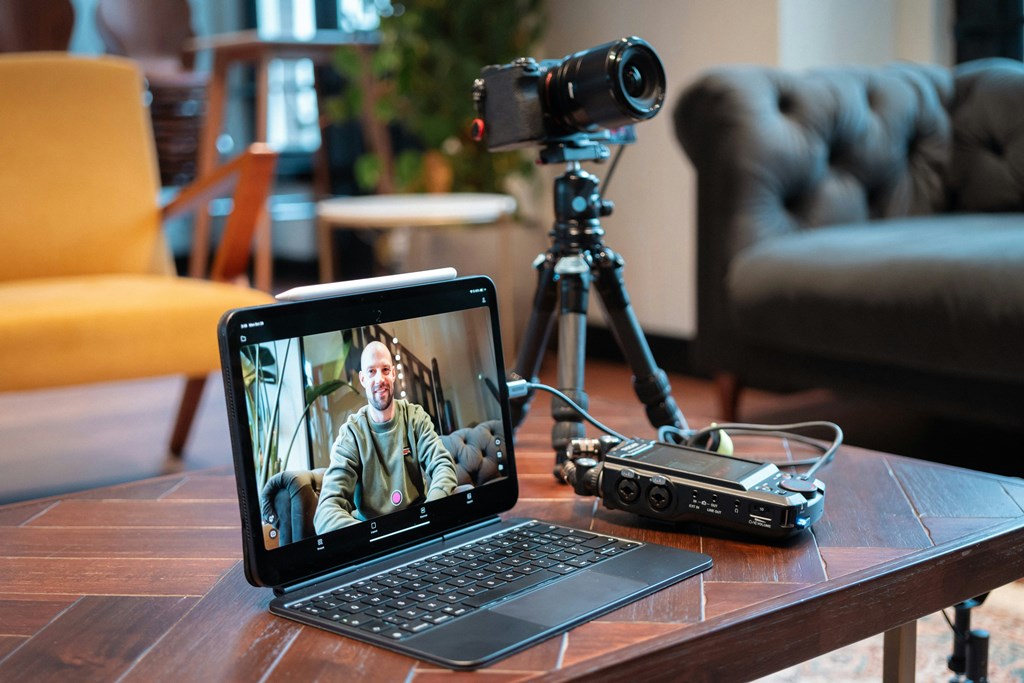
Trust is fragile in live formats. Once it’s broken, viewers rarely return. Privacy and safety mistakes sit at the top of that list. New streamers often share more than they realize: full names visible in browser tabs, email notifications popping up, personal folders opened on screen. These identity leaks usually happen by accident, which makes them even harder to recover from.
Behavior matters just as much. Overreacting to chat, arguing with viewers, or venting frustration on stream creates discomfort fast. People come to relax or focus, not to manage someone else’s mood. Consistency helps here. Streaming five days in a row and disappearing for a month feels unreliable. A calmer, predictable rhythm builds trust over time.
These streaming tips aren’t about paranoia or perfection. They’re about creating an environment where viewers feel safe, respected, and confident about coming back. Early trust is built quietly, through habits that don’t draw attention to themselves.
Plan for Growth, Not Just the First Streams
Many streamers plateau because early momentum hides structural problems. Streams run, viewers appear, but nothing improves. Growth requires intention. Scheduling matters because habits matter. Fixed days and realistic frequency work better than ambitious plans that collapse after two weeks.
Tracking performance doesn’t mean obsessing over every number. Focus on patterns. Which segments hold attention? When does chat slow down? These answers guide improvement far better than copying surface-level ideas from competitors. Watching others is useful when you study structure and pacing, not aesthetics.
A long-term mindset treats streaming as a product, not an event. That shift turns streaming tips into systems that compound over time.
- Keep notes after each stream about what worked, what felt flat, and what confused viewers.
- Adjust one element per week instead of changing everything at once.
- Measure progress in consistency and clarity, not just peak viewers.
Common Streaming Mistakes vs Better Alternatives
| Beginner Mistake | Why It Hurts Growth | Better Approach |
| Inconsistent schedule | Audience can’t form habits | Fixed days and times |
| Overloaded gear setup | Technical stress | Simple, stable setup |
| Ignoring chat | Low engagement | Planned interaction moments |
| No stream goal | Unclear value | Defined purpose per stream |
When Standard Tools Aren’t Enough: Custom Streaming With Scrile Stream
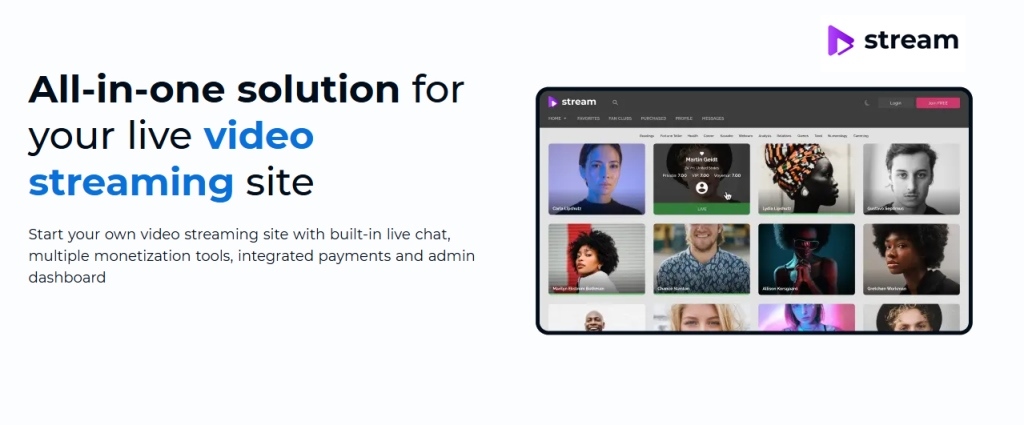
Most general streaming advice assumes you’re working inside ready-made tools. That works until the product itself becomes the limitation. Once streams involve copyrighted content, paid access, or strict moderation rules, infrastructure starts to matter as much as presentation. This is where generic platforms quietly fall short.
Scrile Stream is not a platform you sign up for. It’s a custom streaming development service built around specific business requirements. That distinction changes everything. Instead of adapting your idea to someone else’s rules, the system is designed around how your streaming product must operate — technically and legally.
This approach is especially relevant when control is non-negotiable:
- handling copyrighted video with defined access rights and content rules
- running private or paid streams with precise user permissions
- implementing custom monetization logic beyond standard tipping or ads
- meeting legal, compliance, and data-handling requirements
Scrile Stream is built for serious creators, businesses, and niche platforms that see streaming as a core product. It enables controlled, scalable systems that grow without relying on third-party constraints.
Conclusion
Strong streams don’t happen by chance. They grow from intentional setup, clear structure, and habits repeated consistently over time. These streaming tips work when they’re applied as systems, not shortcuts. Real growth comes from control — over format, access, and monetization — and from treating streaming as a long-term product. Revenue follows trust, whether through paid sessions, subscriptions, or private access models. For creators and businesses ready to move beyond experiments and platform limits, it’s time to explore Scrile Stream services and build a streaming product designed to scale and last.
FAQ
How do I get better at streaming?
Improvement comes from repetition with intent. Focus on one issue per stream, review recordings briefly, and apply small changes. Confidence and pacing develop faster when goals and structure are clear.
What to avoid when streaming?
Avoid oversharing personal information, unplanned chaos, and inconsistent schedules. Technical overload and emotional reactions on stream push viewers away faster than minor production flaws.
How to live stream successfully?
Successful streams start with a defined goal, simple setup, planned interaction, and realistic scheduling. Treat each stream as part of a long-term product, not a one-off event.