
For many creators, going live starts as a side activity. A few streams per week, a small audience, no pressure. That mindset rarely lasts. As time investment grows, so does the need to monetize live stream content in a way that feels sustainable. Streaming is no longer just about visibility. It is about turning attention into income without burning out.
Today, creators get paid through a mix of tools. Ads bring passive revenue once a channel qualifies. Tips and donations reward moments of real engagement. Subscriptions add predictability. Brand deals and sponsorships turn influence into direct payments. The problem is timing. Many streamers delay monetization until they feel “big enough,” then discover they missed months of potential income and audience training.
Early monetization shapes habits. Viewers learn how to support. Creators learn what converts. This article focuses on practical methods, real platforms, and realistic numbers. No theory. No hype. Just how monetization actually works when streaming becomes serious work.
Where Live Streaming Money Actually Comes From
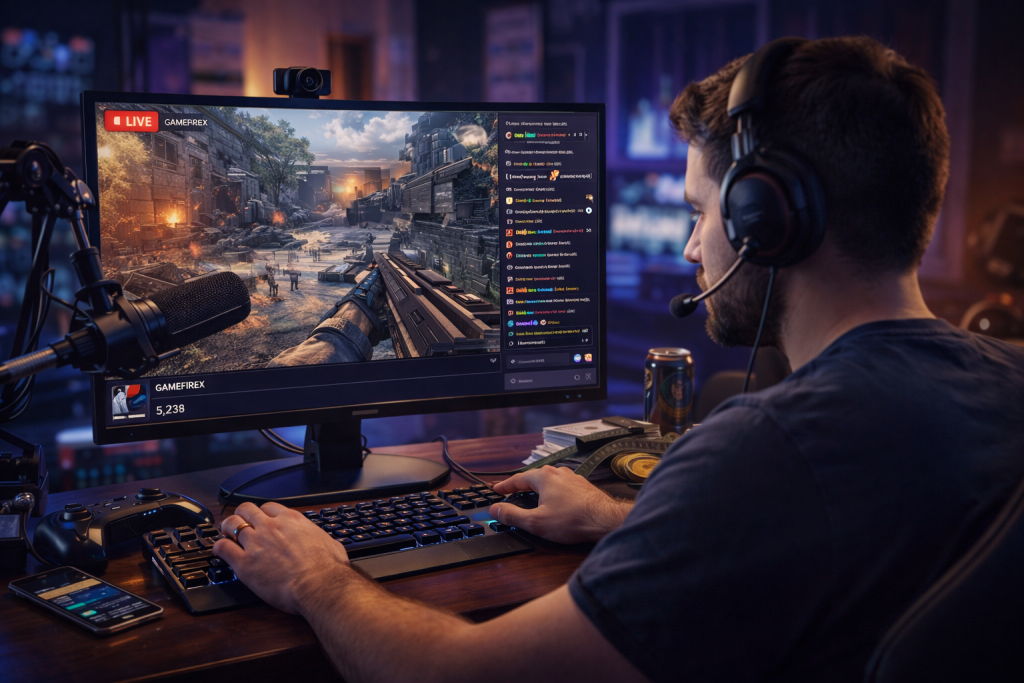
Most creators who successfully monetize live stream content don’t rely on a single income source. Live streaming revenue is layered. Each stream activates several earning mechanics at the same time, and together they form a workable model that grows with the audience.
The most common income sources look simple on paper, but behave very differently in practice:
- Ads
Advertising works best once a channel has consistency. Platforms like YouTube Live and Twitch insert ads before or during streams, but payouts depend on viewer geography, watch time, and ad demand. Ads are passive income, yet they rarely carry a channel alone. - Donations and virtual gifts
Tips, Bits, Stars, and live gifts reward moments, not volume. Viewers donate during hype, emotional reactions, or direct interaction. This is one of the fastest ways to make money live streaming early, even with a modest audience. - Subscriptions and memberships
Recurring payments bring stability. Monthly subscriptions, paid chat access, or member-only streams help creators forecast income and plan content. This model trains viewers to support consistently rather than sporadically. - Sponsorships and affiliate deals
Brands pay for visibility, not just views. Streamers earn through affiliate links, sponsored segments, or product mentions. Gaming gear, software tools, and digital services convert especially well during live sessions.
Relying on one method creates risk. Ads fluctuate. Donations spike and drop. Sponsors come and go. Creators who live stream and earn money long term combine several streams of revenue so a bad month in one area doesn’t break the business.
Advertising and Platform Revenue Sharing
Advertising is often the first monetization tool creators encounter when they try to monetize live stream content seriously. It looks simple from the outside, yet the mechanics vary sharply by platform, and the income is rarely predictable.
On YouTube Live, ads appear as pre-rolls before the stream starts and mid-rolls during longer broadcasts. Eligibility depends on channel monetization status and viewer location. CPMs usually range between $2 and $10, sometimes higher for gaming, tech, or finance audiences. Geography matters. A stream watched mostly in the US, Canada, or Western Europe earns significantly more than one with global traffic. Ads run automatically, which makes them passive, but creators have limited control over timing and frequency.
Twitch handles ads differently. Affiliates and partners can trigger ads manually or allow automatic placements. CPMs often sit lower, typically $1–$5, and vary by season and advertiser demand. Twitch ads interrupt content, which creates tension. Too many ads hurt retention. Too few ads limit revenue. Most streamers treat ads as background income rather than a core strategy.
This is why ad revenue alone is unstable. View counts fluctuate. CPMs drop unexpectedly. Platforms change policies. Even large channels experience uneven monthly payouts. Ads work best as a baseline, not a foundation.
A realistic example comes from mid-size YouTube Gaming creators averaging 5,000–10,000 live viewers per stream. With regular schedules and strong watch time, ad revenue can reach $1,500–$3,000 per month. It’s steady, but it doesn’t scale fast without other income streams layered on top.
Ads help creators get paid to stream, yet they rarely reward effort proportionally. Successful streamers use ads to support consistency, then build real income through subscriptions, tips, and direct audience support while continuing to monetize live stream activity strategically.
Donations, Tips, and Virtual Gifts
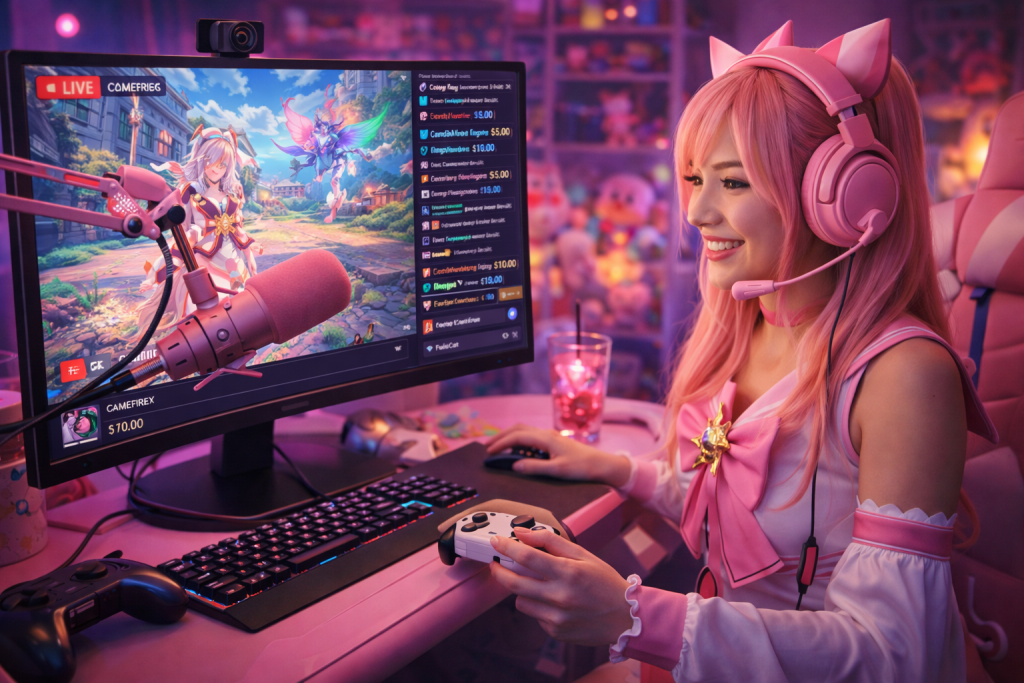
For many creators, donations are the first moment when streaming stops feeling abstract and starts feeling real. Someone reacts, opens their wallet, and supports the stream right there. When creators monetize live stream content through tips, the payment is tied to emotion, timing, and presence, not just view counts.
On Twitch, tipping usually happens through Bits. Viewers buy Bits from Twitch, then spend them in chat to highlight messages or react to moments on screen. Twitch takes its cut upfront when Bits are purchased, which means creators receive a fixed value per Bit. The key detail is behavior. Bits flow during hype moments: clutch plays, jokes, sudden fails, or direct interaction with chat.
TikTok Live works differently. Gifts are visual and performative. Viewers send animated items that appear on screen, often competing for attention. This creates momentum. Smaller creators with strong personalities often earn well here because gifting is driven by connection, not production quality.
On Facebook Gaming, Stars operate in a similar way. Viewers buy Stars and send them during live streams. Facebook occasionally boosts this model with bonus programs, temporarily increasing payouts to encourage creator retention.
What matters most is engagement. Tipping does not scale linearly with audience size. A streamer with 300 active viewers who constantly interacts can outperform a streamer with 5,000 passive viewers. Many gaming creators openly report earning more from tips than from ads once their community stabilizes.
Common patterns where tipping performs best include:
- High chat interaction and frequent callouts
- Clear reactions to every donation
- Stream formats built around moments, not silence
A mid-size gaming streamer averaging 1,000 concurrent viewers might earn only a few hundred dollars from ads in a month. That same streamer can pull in several thousand from donations alone if the audience feels involved. This is why many creators focus on ways to make money going live through interaction rather than reach.
Subscriptions and Paid Access Models

Subscriptions are often the moment when creators truly understand how to make money streaming without chasing spikes. Tips feel rewarding, but they come and go. Ads depend on algorithms. Subscriptions behave differently. They reward consistency and presence rather than luck.
On Twitch, subscriptions are tied closely to routine. Viewers subscribe once they know when a creator goes live and what kind of experience to expect. YouTube memberships work in a similar way, but often convert viewers who already spend hours watching archived streams or clips. Paid chat access adds another layer, especially during busy broadcasts, where attention becomes the real currency.
What makes subscriptions effective is how they reshape behavior on both sides:
- They change how viewers participate.
Subscribers tend to stay longer, chat more, and return more often. Payment creates a small psychological commitment. Once someone subscribes, they feel part of something ongoing rather than a passing audience. - They allow creators to plan instead of react.
A stable subscriber base makes it possible to schedule streams, invest in better production, or collaborate without guessing next month’s income. Even a few hundred subscribers can cover core costs reliably. - They encourage deeper content formats.
Creators with subscription income often slow down. They experiment with longer streams, quieter sessions, or focused discussions that would not work with a drive-by audience. - They smooth out emotional pressure.
When income does not depend entirely on hype moments, creators take fewer risks just to trigger donations. That usually improves content quality over time.
When creators monetize live stream content through subscriptions, they trade volatility for stability. For many, that shift is what turns streaming from a stressful grind into a sustainable routine.
Making Money Streaming Games: Real Use Cases
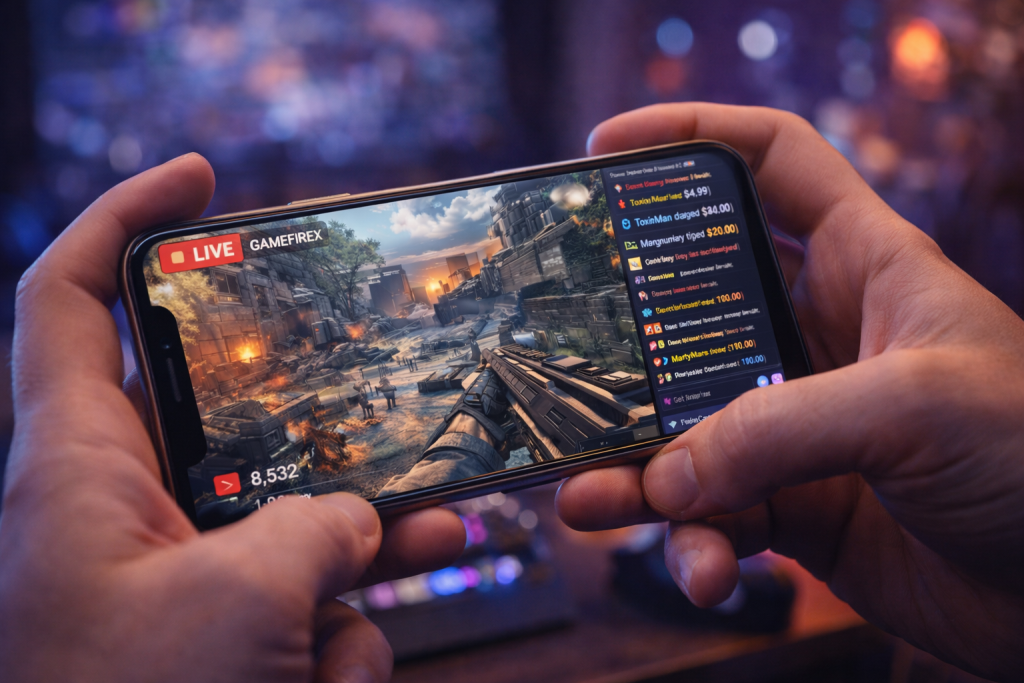
Game streaming is one of the most visible ways creators monetize live stream content, but the mechanics differ from casual streams because engagement tends to be deeper and audiences more loyal. Platforms like Twitch, YouTube Gaming, and Kick each support gaming creators with different revenue structures, and real earnings show how varied the results can be.
Real Revenue Models in Game Streaming
On Twitch, gaming remains central. The platform pulled in about 2.37 million concurrent viewers on average in 2024, and it hosts tens of millions of hours of gameplay every month. That audience translates into multiple revenue paths for gamers with enough consistency and engagement. Mid-tier streamers combining subs, donations, and occasional brand deals often earn between $5,000 to $30,000 per month, a figure that can match or exceed what they might get from ads alone on the same channel
YouTube Gaming works a bit differently because its algorithm continues to push content after a stream ends. A gaming creator with strong archived VODs gets revenue from views outside the live session itself. Channels with tens of thousands of subscribers often earn a solid baseline from ads, memberships, and sponsorships tied to both live and recorded sessions. A YouTube Gaming channel with 100,000 subscribers may pull in $2,000–$5,000 monthly from ads alone, with extra from paid memberships and brand deals.
Newer players like Kick are attracting attention because of different revenue share models and high-profile signings. Some creators who stream games on Kick report larger cuts of subscriptions and donations, sometimes choosing to stream selectively across platforms to balance reach and income.
A clear real case comes from gaming events and collaborations. When a streamer ties together subscriptions, sponsorships, affiliate links for gear or software, and regular community engagement, they create a diversified revenue mix. Mid-tier gaming creators often out-earn channels relying on ad revenue alone because the community invests directly in the content. That’s the essential difference in how to make money streaming games versus casual, non-gaming content. Audiences here are tuned to involvement and are more likely to support through paid channels, communities, and direct contributions — a pattern that helps explain why how to make money streaming video games focuses heavily on subscriptions and direct support rather than just views.
Live Streaming Apps to Make Money
When creators start looking seriously at how to monetize live stream content, platform choice becomes a financial decision, not just a technical one. Different services push different monetization mechanics, and that directly affects earning potential. This is why creators often compare live streaming apps to make money before committing long term.
Some platforms favor ads and scale. Others reward direct audience support. None of them are perfect on their own, which is why understanding their strengths matters early.
Below is a practical comparison of the most common options creators use today:
| Platform | Monetization tools | Revenue split | Best content type |
| Twitch | Ads, subscriptions, Bits, sponsorships | Platform-controlled, varies by status | Game streaming, long live sessions |
| YouTube Live | Ads, memberships, Super Chat, sponsorships | Ad-based split, CPM-driven | Gaming, educational, mixed content |
| TikTok Live | Virtual gifts, brand deals | High platform cut on gifts | Short, high-energy live content |
| Facebook Gaming | Stars, ads, fan subscriptions | Program-dependent | Community-driven streams |
| Kick | Subscriptions, donations | Creator-friendly subscription split | Gaming, long-form streams |
Twitch remains dominant for gaming because viewers are trained to subscribe and donate. YouTube Live works well for creators who want income beyond the live session through VOD views. TikTok Live favors personality and momentum, where gifting can spike quickly. Facebook Gaming relies heavily on existing social connections. Kick attracts creators who want higher subscription revenue per supporter.
Affiliate Marketing, Sponsorships, and Merch
Affiliate marketing is often the first step beyond platform monetization. Streamers earn by sharing links to products they already use on stream. Gaming gear, microphones, webcams, capture cards, and paid software convert well because viewers see them in action. When done naturally, affiliate income builds quietly over time without interrupting the stream flow.
Sponsorships are different. Brands pay for attention and trust, not just placement. A smaller channel with a focused audience can outperform a large one if the product fits the content. Gaming studios, hardware brands, VPNs, and creator tools are common partners, but only when the integration feels honest.
Creators usually combine these models in a practical way:
- Affiliate links stay permanent in descriptions and panels, answering recurring viewer questions and generating passive income.
- Sponsorships appear as dedicated segments where the product is shown, explained, or tested live instead of briefly mentioned.
- Merch drops are tied to milestones, inside jokes, or limited events, making them feel like community moments rather than sales pushes.
Merch works best when it reflects identity, not volume. Print-on-demand tools make logistics easy, but timing matters more than design. Sponsorships start making sense once a creator understands their audience well enough to say no without hesitation.
Scrile Stream: Building Your Own Monetized Streaming Business
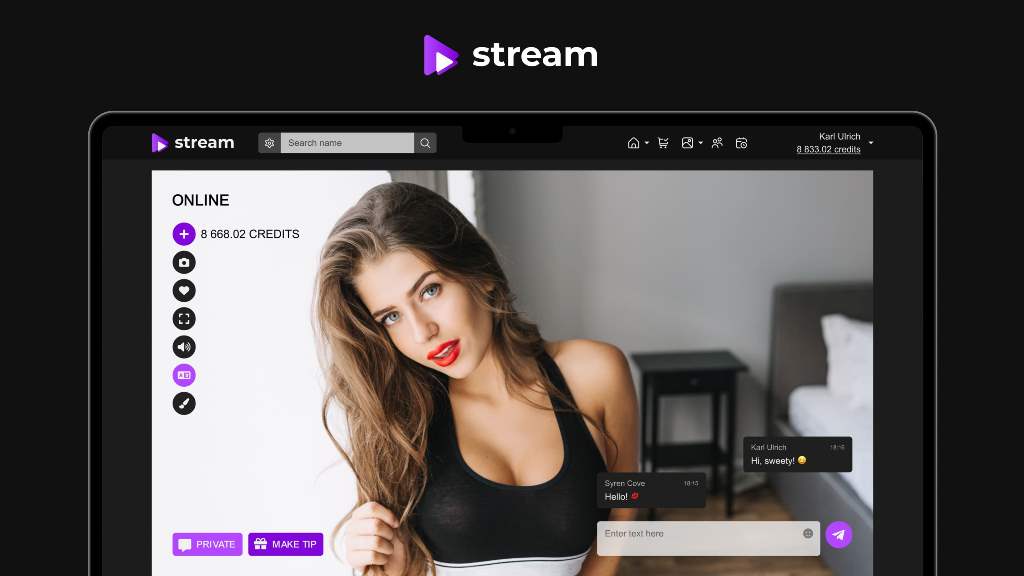
Scrile Stream is not a public streaming platform and not a marketplace for creators. It is a custom development service for building your own live streaming product from scratch. The goal is simple: help creators and businesses monetize live stream content without depending on third-party platforms, algorithms, or revenue rules.
Scrile Stream enables a fully independent streaming infrastructure tailored to different formats and audiences:
- Custom live streaming infrastructure
A branded website or app with live video, real-time chat, user accounts, and moderation tools. This works for gaming streams, educational sessions, fitness classes, events, consulting, entertainment shows, and community broadcasts. - Built-in monetization tools
Tips, subscriptions, pay-per-view streams, premium access, and private sessions are built directly into the product. Monetization logic matches the content type, whether it’s recurring shows, one-off events, or exclusive live access. - Full control over revenue and data
You define pricing, payment flows, and payout models. Revenue is not reduced by platform commissions, and audience data stays under your control, which matters for long-term growth.
Owning the platform changes the business model. Instead of chasing reach inside someone else’s ecosystem, creators build direct relationships and predictable income. This approach works for gaming creators, coaches, educators, performers, event organizers, and yes, adult streamers as well, where flexibility and compliance are often critical.
Scrile Stream is designed for anyone who wants to scale live streaming into a stable business and monetize live stream activity at scale, without platform dependency.
Conclusion
Live streaming becomes sustainable once creators stop relying on a single income source. Ads, donations, subscriptions, sponsorships, and direct sales all play a role, but real stability comes from combining them. Diversification protects creators from algorithm changes, seasonal drops, and platform policy shifts. The most resilient streamers treat streaming as a business, not a gamble. Owning your monetization logic, audience data, and payment flows creates long-term control. If your goal is to build a reliable income stream instead of chasing platform trends, the next step is clear. Contact the Scrile Stream team to build your own monetized streaming solution designed around your content and audience.
FAQ
Can live streams be monetized?
Yes. Live streams can be monetized through ads, tips, subscriptions, pay-per-view access, sponsorships, and affiliate links. Most platforms support several of these options, and many creators use more than one at the same time to increase income stability.
How to make money off live streaming?
Creators earn by combining ads, viewer donations, recurring subscriptions, brand partnerships, affiliate marketing, and paid access to exclusive streams. The most effective approach depends on content type, audience engagement, and consistency rather than follower count alone.
How much can you earn from live streaming?
Earnings vary widely. Smaller creators may earn a few hundred dollars per month, while mid-level streamers often reach several thousand. Sponsorships and brand deals typically pay $15–$50 per 1,000 views, and established creators can generate a full-time income by combining multiple monetization methods.