
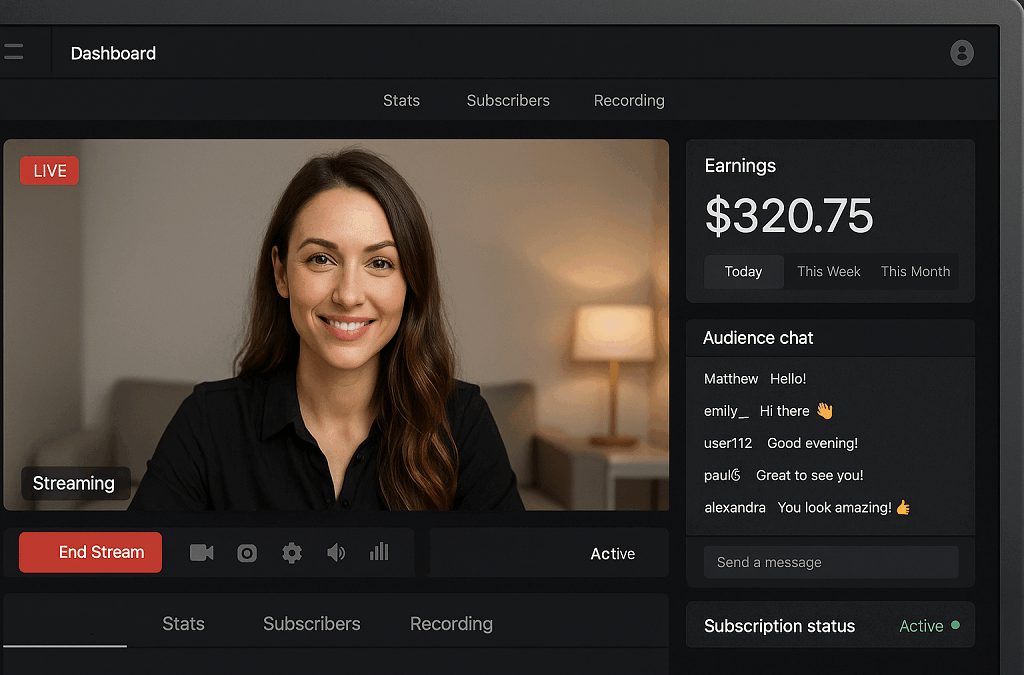
A fan page website is more than a place to post updates. Done well, it becomes a direct connection between a creator, brand, performer, public figure, or niche community and the people who care enough to come back.
That is the real opportunity.
Social media is useful for discovery, but it does not give you full control. Algorithms change. Accounts get restricted. Organic reach drops. Payment rules shift. A fan page website gives you something more stable: your own branded space, your own content structure, your own fan relationship, and your own monetization model.
For some people, a fan site is a hobby project. For others, it can become a paid community, creator platform, live interaction business, or content monetization hub. The difference is not only the design. It is the way the website is built around access, trust, payments, content, and repeat engagement.
This guide explains what a fan page website is, how to make one, what features matter, how to monetize it, and when a simple website builder is no longer enough.

What Is a Fan Page Website?
A fan page website is a standalone website created around a person, brand, creator, performer, artist, show, game, sports team, fictional universe, or niche interest.
It can be made by a fan, by a creator, by an agency, or by a business that wants to build a direct relationship with an audience. Some fan websites are simple blogs with updates and media. Others are paid platforms with subscriptions, premium videos, private chats, live sessions, merch, and community features.
A fan page is often confused with a social media page. They are not the same thing.
A social media fan page lives inside another platform, such as Instagram, X, Facebook, TikTok, Reddit, or Telegram. It can help you reach people, but you do not fully control the rules, layout, access, payments, or audience data.
A fan page website lives on your own domain. It gives you more control over branding, content, monetization, and the full user journey.
Here is the simple difference:
| Format | What it means | Best for |
|---|---|---|
| Fan page | A page on a social network | Quick updates, discovery, public engagement |
| Fan site | A standalone website about a person, topic, or niche | Content hubs, news, community, SEO traffic |
| Fan page website | A branded website built around a fan audience | Direct audience ownership and monetization |
| Fan platform | A more advanced fan website with user accounts, payments, live video, subscriptions, and admin tools | Creator businesses, paid communities, fan interaction platforms |
A fan page website can be free, paid, public, private, creator-led, community-led, or business-owned. The right format depends on what you want fans to do after they arrive.
Do you want them to read updates? Watch videos? Subscribe? Buy access? Join a community? Book a private session? Tip a creator? Return every week?
The answer shapes the entire site.
Why Build a Fan Page Website Instead of Only Using Social Media?
Social media is good at getting attention. It is not always good at helping you own that attention.
A creator can spend years building an audience on a platform and still depend on rules they do not control. Reach can drop overnight. Content can be removed. Accounts can be limited. Payment options can be restricted. Even when everything works, the platform usually owns the user experience. A fan page website changes the balance.
You control the domain. You control the design. You decide what content is public, what is private, and what is paid. You can collect emails, build member accounts, create subscription tiers, publish long-form content, run live sessions, sell digital products, and guide visitors toward the actions that matter for your business.
That does not mean you should ignore social media. In most cases, social channels should feed the website. They help people discover you. The website helps you convert and retain them.
Think of it this way:
Social media is rented attention.
A fan page website is owned infrastructure. This matters more when money is involved. If your fan relationship depends on subscriptions, paid content, tips, private sessions, or recurring purchases, you need a more reliable space than a social profile alone.
A website also gives fans a clearer experience. Instead of scrolling through random posts, they can find categories, archives, galleries, membership offers, live sessions, community rules, and contact options in one place. That structure makes the audience easier to serve and easier to monetize.

Main Types of Fan Websites
Not every fan website needs the same features. A simple fan blog and a paid creator platform are very different projects. Before choosing tools or design, define the business model.
Fan Blog or News Hub
A fan blog is one of the simplest formats. It focuses on updates, commentary, reviews, recaps, interviews, guides, or news around a specific topic.
This format works well for:
- Artists
- TV shows
- Games
- Sports teams
- Music scenes
- Celebrities
- Niche hobbies
- Creator updates
The main growth channel is usually SEO, social sharing, and community traffic. Monetization may come from ads, affiliate links, sponsorships, merch, or premium newsletters.
A fan blog is easier to start than a paid platform, but it usually needs consistent publishing before it generates meaningful income.
Creator Fan Page Website
A creator fan page website is built around one creator, performer, influencer, streamer, model, musician, coach, or public personality.
The goal is to give fans one central place to learn more, follow updates, access exclusive content, and support the creator directly.
This format can include:
- Creator bio
- Photo and video galleries
- Blog posts
- Announcements
- Fan club membership
- Paid content
- Tips
- Private messages
- Live events
- Merch
A creator fan page website works best when the creator already has some audience on social media and wants to move part of that audience into a more controlled environment.

Paid Membership Fan Site
A paid membership fan site gives fans access to exclusive content or community features after they subscribe.
This model can work for creators, performers, educators, artists, musicians, niche experts, and entertainment communities.
The value may include:
- Behind-the-scenes content
- Early access
- Premium videos
- Members-only posts
- Private groups
- Monthly live sessions
- Digital downloads
- VIP updates
- Exclusive polls
- Direct interaction
The key question is simple: why would someone pay every month?
The answer must be clear before launch. A membership fan site cannot survive on a vague promise of “exclusive content.” It needs a repeatable content plan and a strong reason to stay subscribed.
Community Fan Website
A community fan website is built around interaction between fans, not only updates from the owner.
It may include forums, chat rooms, user profiles, polls, user-generated content, rankings, badges, groups, events, or comment sections.
This format works well when fans want to discuss, share, debate, contribute, or organize around a topic.
The main challenge is moderation. A community site needs rules, reporting tools, admin access, and a clear content policy. Without structure, discussion spaces can become messy or inactive.
Live Interaction Fan Platform
A live interaction fan platform goes beyond static content. It lets fans join live streams, private shows, group sessions, Q&A events, paid video chats, fan calls, or pay-per-minute interactions.
This format is especially relevant for:
- Performers
- Streamers
- Adult creators
- Coaches
- Influencers
- Fitness creators
- Musicians
- Online entertainers
- Niche experts
Live interaction can create stronger engagement because fans are not just consuming content. They are participating.
It also creates more monetization options. A fan can pay for a private session, tip during a live event, unlock premium access, join a group stream, or buy a limited live experience.
This is where a regular website builder often becomes too limited. Live video, payments, access rules, chat, moderation, and user accounts need to work together.
Merch and Digital Product Fan Store
Some fan websites focus on sales.
A creator, artist, or fan community can sell:
- Merch
- Posters
- Signed items
- Digital downloads
- Templates
- Music files
- Video packs
- Custom content
- Event access
- Collectibles
- Bundles
This model can work alone or as part of a bigger fan platform. The main advantage is that it gives fans another way to support the brand without committing to a subscription.

What Should a Good Fan Page Website Include?
A good fan page website should not be a random collection of pages. It should guide visitors from interest to action.
That action might be reading more, joining a list, creating an account, subscribing, buying content, booking a session, entering a live event, or joining the community.
The exact feature set depends on the model, but most serious fan websites need the following elements.
| Feature | Why it matters |
|---|---|
| Clear niche and promise | Fans should understand what the site is about in seconds |
| Strong homepage | The homepage should explain the value and direct users to key actions |
| About or profile page | Builds trust and context around the creator, topic, or community |
| Regular updates | Gives fans a reason to return |
| Image and video posts | Makes the experience richer and more emotional |
| Blog or news section | Helps with SEO and long-term traffic |
| Membership area | Supports subscriptions and gated content |
| Payment tools | Makes monetization possible |
| Private or public community | Encourages repeat engagement |
| Live video or chat | Creates stronger fan interaction |
| Mobile-friendly design | Most fans will browse from phones |
| Email capture | Helps build a direct audience outside social media |
| Rules and moderation | Protects the community and the brand |
| Legal pages | Builds trust and reduces risk |
| Analytics | Shows what content, offers, and traffic sources work |
The biggest mistake is building a fan website like a static brochure.
A fan site needs movement. New posts, new videos, new live sessions, new offers, new conversations, and new reasons to come back.
Fans return when the site feels alive.
How to Make a Fan Page Website
You can make a fan page website in many ways. The basic steps are simple, but the quality of the decisions matters.
A hobby blog can be launched quickly. A paid fan platform needs more planning because payments, access control, content rights, and user experience all affect revenue.
Define the Audience and Fan Promise
Start with the audience.
- Who is the website for?
- Fans of a specific creator?
- Fans of a topic?
- Fans of a performer?
- Fans of a sports team, artist, show, game, or genre?
- Fans who want free updates?
- Fans who are ready to pay for access?
A weak fan website tries to serve everyone. A strong one makes a clear promise.
For example:
- “Get weekly behind-the-scenes updates from this creator.”
- “Join live Q&A sessions and private fan calls.”
- “Access premium video content and exclusive photo galleries.”
- “Follow the latest news, guides, and fan discussions in this niche.”
- “Join a private community for serious fans, collectors, or supporters.”
The clearer the promise, the easier it is to build the right structure.

Choose the Website Model
Next, choose the model.
Do not start with design. Start with the business logic.
| Website model | Best for | Monetization options | Complexity |
|---|---|---|---|
| Fan blog | SEO traffic and public updates | Ads, affiliates, sponsorships | Low |
| Creator fan page | One creator or performer | Subscriptions, tips, paid content | Medium |
| Paid membership site | Exclusive fan access | Monthly subscriptions, VIP tiers | Medium |
| Community fan site | Fan discussions and user activity | Memberships, events, sponsorships | Medium to high |
| Live interaction platform | Real-time fan engagement | Private shows, group sessions, tips, pay-per-minute | High |
| Fan store | Merch and digital products | Product sales, bundles, limited drops | Medium |
If your goal is only to publish updates, a simple website may be enough.
If your goal is to earn directly from fans, you need monetization tools from the start.
Choose a Domain and Branding
A fan page website should feel like a destination, not an afterthought.
Choose a domain that is easy to remember, easy to type, and connected to the brand or niche. Avoid names that may create trademark issues, especially if the site is about a celebrity, sports team, show, game, or entertainment property you do not own.
Branding does not need to be complicated, but it should be consistent.
Define:
- Logo or wordmark
- Main colors
- Typography
- Tone of voice
- Image style
- Button style
- Page layout
- Mobile appearance
Most users will visit from mobile devices, so design for phone screens first. If the site looks good only on desktop, it will lose a large part of its audience.
Plan the Content Structure
A fan website should be easy to navigate.
Useful pages may include:
- Homepage
- About page
- Latest updates
- Blog or news
- Videos
- Photos
- Membership
- Live sessions
- Community
- Merch store
- FAQ
- Contact
- Terms
- Privacy policy
- Copyright or disclaimer page
For a paid fan page website, the structure should also separate free and paid content clearly. Visitors should understand what they can access for free and what becomes available after registration, purchase, or subscription.
A confusing access model reduces conversions. Fans should not have to guess what they are paying for.

Add Monetization Features
Monetization should be planned before launch, not added randomly later.
Common options include:
- Monthly subscriptions
- One-time paid access
- Pay-per-view videos or posts
- Tips
- Paid messages
- Private live sessions
- Group live events
- Digital downloads
- Merch
- VIP tiers
- Affiliate links
- Sponsorships
- The best model depends on the audience.
A fan news site may rely on traffic, ads, and affiliate revenue. A creator fan site may earn more from subscriptions and paid messages. A performer platform may depend on live interaction, tips, and private sessions. A community site may monetize through memberships, events, and premium groups.
Do not add every monetization method at once. Start with the model that matches the strongest fan intent.
Set Up Payments and Access Control
Payments are not just a technical detail. They shape the entire business.
If the checkout process is confusing, people leave. If paid content is hard to unlock, fans get frustrated. If subscription renewals fail, revenue drops. If admin tools are weak, the site owner cannot understand what is happening.
A serious fan page website needs:
- Secure checkout
- Clear pricing
- Subscription management
- Paid content access control
- Refund rules
- Payment history
- Admin reporting
- User account management
- Failed payment handling
- Role-based permissions if a team is involved
This is one of the main reasons a monetized fan website often needs more than a basic landing page builder.
Launch, Promote, and Measure
A fan website does not grow just because it exists.
Promotion should start with the audience you already have. Use social media, newsletters, direct messages, creator bios, video descriptions, community posts, and collaborations to bring early users to the site. After launch, watch the data.
Analytics should guide improvements. If most traffic comes from mobile, improve the mobile checkout. If people visit the membership page but do not buy, clarify the offer. If live sessions get more engagement than blog posts, build more around live interaction.
The first version does not need to be perfect. It needs to be measurable.

Best Ways to Monetize a Fan Page Website
A fan page website can make money in several ways. The strongest sites usually combine more than one model, but they still have one primary revenue engine.
Here are the main options.
| Monetization method | How it works | Best for | What you need |
|---|---|---|---|
| Subscriptions | Fans pay monthly for access | Creators, performers, communities | Member accounts, gated content, recurring payments |
| Pay-per-view content | Fans pay for individual posts, videos, or files | Premium media, special releases | Content locking, checkout, media hosting |
| Tips | Fans send voluntary payments | Creators and live performers | Simple payment flow, tip buttons |
| Paid private sessions | Fans pay for one-to-one access | Performers, coaches, experts, entertainers | Scheduling or live video tools, payments |
| Group live events | Fans pay to join live sessions | Streamers, educators, performers | Live video, chat, access control |
| Merch | Fans buy physical products | Creators, artists, communities | Store, fulfillment, payment processing |
| Digital products | Fans buy downloadable files | Musicians, artists, educators, creators | File delivery, payment flow |
| Sponsorships | Brands pay for exposure | Niche fan communities | Audience data, traffic, brand-safe content |
| Affiliate offers | Site earns commissions on referrals | Review sites, gear sites, fandom blogs | Content strategy and tracking links |
Monthly Subscriptions
Subscriptions work when fans expect ongoing value.
This could be weekly videos, private updates, monthly live sessions, premium galleries, exclusive posts, or community access.
The main benefit is recurring revenue. The main challenge is retention. Fans will not stay subscribed if the site feels inactive.
A good subscription offer should answer:
- What do members get?
- How often is new content added?
- What makes it different from free social media?
- Can members interact with the creator or community?
- Is there a clear reason to keep paying?
If the answers are vague, the offer needs more work.
Pay-Per-View Content
Pay-per-view content works well when fans want specific premium items but may not want a monthly subscription.
This can include:
- Videos
- Photo sets
- Special posts
- Digital files
- Recorded live shows
- Private updates
- Custom content
- Premium tutorials
PPV can be useful because it does not require a long commitment. Fans can buy only what they want.
It also works well together with subscriptions. For example, subscribers may get regular content, while special premium releases are sold separately.
Tips and Donations
Tips are simple, but powerful.
Some fans want to support a creator without buying a full subscription or product. A tip option gives them a low-friction way to do that.
Tips work especially well during live streams, private chats, community events, or after valuable content.
The key is to make tipping easy and visible without making the site feel desperate. A tip button should support the fan experience, not interrupt it.
Paid Private Sessions and Live Calls
Private sessions can turn fan attention into high-value revenue.
Examples include:
- One-to-one fan calls
- Private live shows
- Coaching sessions
- Personalized Q&A
- VIP meet-and-greets
- Music lessons
- Fitness sessions
- Tarot readings
- Consultations
- Adult creator sessions
The value comes from direct access. Fans pay more when the experience feels personal, limited, and interactive.
This model requires reliable live video, scheduling or availability logic, payments, chat, user accounts, and clear rules.
Group Live Events
Group live events are easier to scale than private sessions.
A creator can host a paid stream, fan Q&A, workshop, performance, watch party, or members-only event. Fans pay for access, join together, chat, tip, and participate in real time.
Group events work because they create urgency. A post can be read anytime, but a live event happens now. That can increase engagement and conversion.
Merch and Digital Products
Merch gives fans a physical way to support the brand. Digital products are easier to deliver and can have higher margins.
Examples include:
- Posters
- Stickers
- T-shirts
- Signed items
- Music files
- Photo packs
- Video packs
- Templates
- Guides
- Behind-the-scenes bundles
Limited drops can work well because fans respond to scarcity. But the product must feel relevant to the community, not random.
Sponsorships and Affiliate Deals
Sponsorships and affiliate revenue usually work better after the site has traffic, trust, and a defined audience.
A sponsor wants to know who visits the site, how engaged they are, and why the audience is valuable. A fan website with strong niche focus can be more attractive than a broad site with weak engagement.
Affiliate deals can also work for fan blogs, product reviews, equipment guides, creator tools, game communities, music communities, or hobby niches.
Still, ads and affiliates should not be the only plan if the site has a loyal audience. Direct fan monetization is often more valuable.
Fan Page Website vs Social Media Page vs Creator Platform
A fan page website sits between a simple social page and a full creator platform. Understanding the difference helps you choose the right setup.
| Feature | Social media fan page | Fan page website | Creator or fan platform |
|---|---|---|---|
| Branding control | Limited | High | Very high |
| Audience ownership | Low | Medium to high | High |
| Algorithm dependence | High | Low | Low |
| Payment control | Limited | Depends on setup | Strong |
| Subscriptions | Platform-dependent | Possible | Built in |
| Paid content | Platform-dependent | Possible | Built in |
| Live video monetization | Limited | Possible with tools | Built in |
| Community features | Platform-dependent | Possible | Advanced |
| Data and analytics | Limited | Better | Stronger |
| Scalability | Limited | Medium | High |
- A social media page is good for visibility.
- A fan page website is good for ownership.
- A full creator or fan platform is good for monetization, interaction, and scale.
This does not mean every project needs a platform from day one. If you are testing a niche, start simple. If you already have fans and want to earn directly, plan for a stronger system.

Legal, Copyright, and Trust Issues to Consider
A fan page website can create legal risks if it uses content, names, logos, images, videos, or trademarks without permission.
This is especially important when the site is based on a celebrity, sports team, film, game, musician, brand, or fictional universe.
You should be careful with:
- Copyrighted images
- Music
- Video clips
- Logos
- Brand names
- Character names
- Official artwork
- Paid content from other creators
- Screenshots
- User-submitted content
A fan page may be legal in some cases, especially if it uses original commentary, licensed content, public domain materials, or fair-use-style discussion. But monetization can make the risk higher, especially if the site appears official or uses protected assets to make money.
The safest approach is to:
- Use original content where possible
- Get permission for protected media
- Avoid pretending to be official
- Add a clear disclaimer if the site is unofficial
- Respect takedown requests
- Create terms and community rules
- Moderate user uploads
- Avoid selling copyrighted material you do not own
- Use licensed images, videos, and music
Fans are more likely to pay when the site looks legitimate, has clear pricing, explains what users get, protects personal data, and uses secure payments. A messy or anonymous site will struggle to convert even if the topic is popular.

How to Grow a Fan Page Website After Launch
Growth is not only about traffic. A fan website needs repeat visits, trust, and reasons to return.
A visitor who reads one post and leaves is useful. A fan who registers, subscribes, joins a live event, comments, tips, or buys content is much more valuable.
Here are the most important growth channels.
SEO Content
SEO can bring long-term traffic to fan websites.
Useful content may include:
- News
- Guides
- Reviews
- Rankings
- Explainers
- Event recaps
- Fan theories
- Tutorials
- Behind-the-scenes posts
- Comparison articles
- Resource pages
SEO works best when the site answers real questions. Instead of publishing random updates only, create pages that match what fans search for.
Social Media Promotion
Social media should drive users back to the website.
Use social platforms for teasers, short clips, announcements, polls, previews, and community interaction. Then direct fans to the website for full access, premium content, private sessions, or membership.
Do not give everything away on social media. Leave a reason to click.
Email List
Email is one of the most important assets a fan website can build.
Unlike social followers, email subscribers are easier to reach directly. Use email for new content alerts, live event reminders, special offers, fan club updates, and reactivation campaigns.
Even a simple email capture form can become valuable over time.
Community Activity
A fan website grows faster when fans feel involved.
Use:
- Polls
- Comments
- Fan submissions
- Challenges
- Q&A threads
- Member spotlights
- Private groups
- Live chats
- Community events
Fans who participate are more likely to return and more likely to pay.
Live Events
Live events create urgency and emotional connection.
A fan can ignore another blog post, but a live stream or private session feels time-sensitive. This can increase engagement and revenue, especially when combined with reminders, limited access, and post-event recordings.
Collaborations
Collaboration can expose the fan website to new audiences.
Creators can collaborate with other creators, communities, streamers, niche experts, artists, or performers. Fan blogs can collaborate through guest posts, interviews, roundups, and shared events.
The best collaborations feel natural to the audience.
Analytics-Based Improvements
Do not guess forever.
Use analytics to see what works. Track the pages people visit, the offers they click, the content they buy, and the devices they use.
Small changes can improve revenue:
- Better button text
- Clearer pricing
- Shorter checkout
- More mobile-friendly pages
- Stronger membership benefits
- Better content previews
- Simpler navigation
- More visible live event reminders
A fan page website should improve every month.
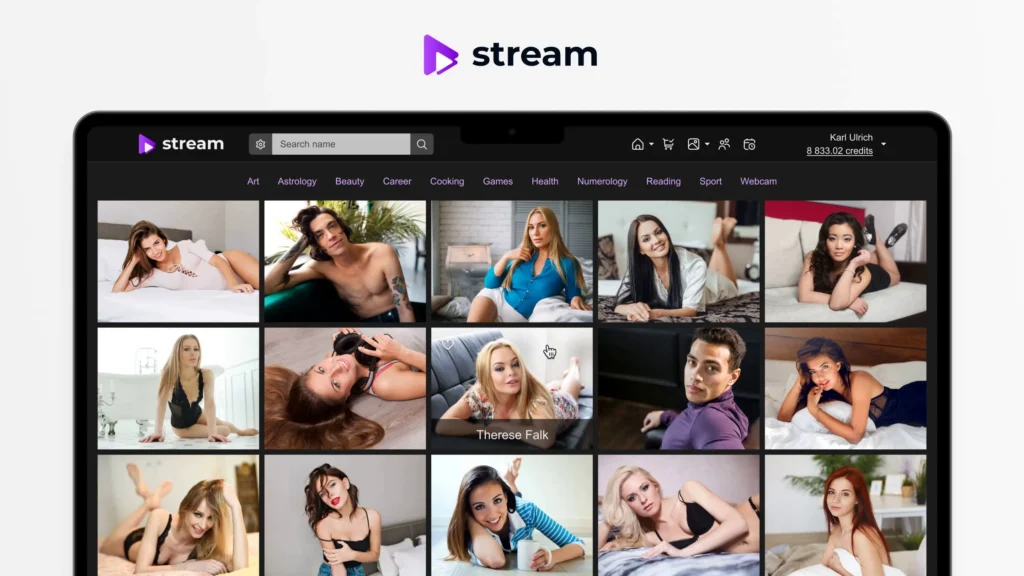
Build a Monetized Fan Page Website with Scrile Stream
If your goal is to create a simple fan blog, you can start with a regular website builder.
But if your goal is to build a paid fan page website with live interaction, subscriptions, premium content, private sessions, chat, tips, and payment tools, you need a stronger foundation.
This is where Scrile Stream fits.
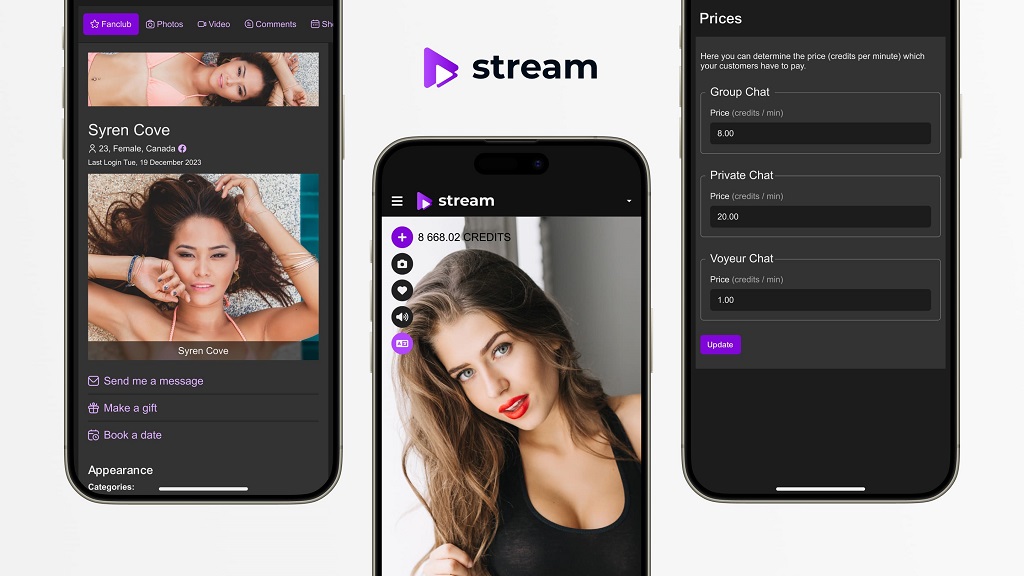
Scrile Stream is designed for businesses that want to launch their own branded live video and fan interaction platform. It can be used for creator platforms, performer sites, private live sessions, paid communities, webcam-style businesses, and other fan monetization models where live interaction and direct payments matter.
The main advantage is control.
Instead of sending fans to a third-party platform, you can build your own environment with your own branding, domain, monetization rules, and user experience.
Why Scrile Stream Fits Fan Website Monetization
A monetized fan page website needs more than good design. It needs the business mechanics behind the design.
Scrile Stream can support the key parts of a fan monetization platform:
- Live video interaction
- Private and group sessions
- Paid access
- Tips
- Premium content
- User accounts
- Admin control
- Payment flow
- Brand customization
- Scalable platform logic
For creators and entrepreneurs, this matters because the website is not only a marketing page. It becomes the place where fans interact, pay, watch, subscribe, and return.
That is a very different project from a static website.
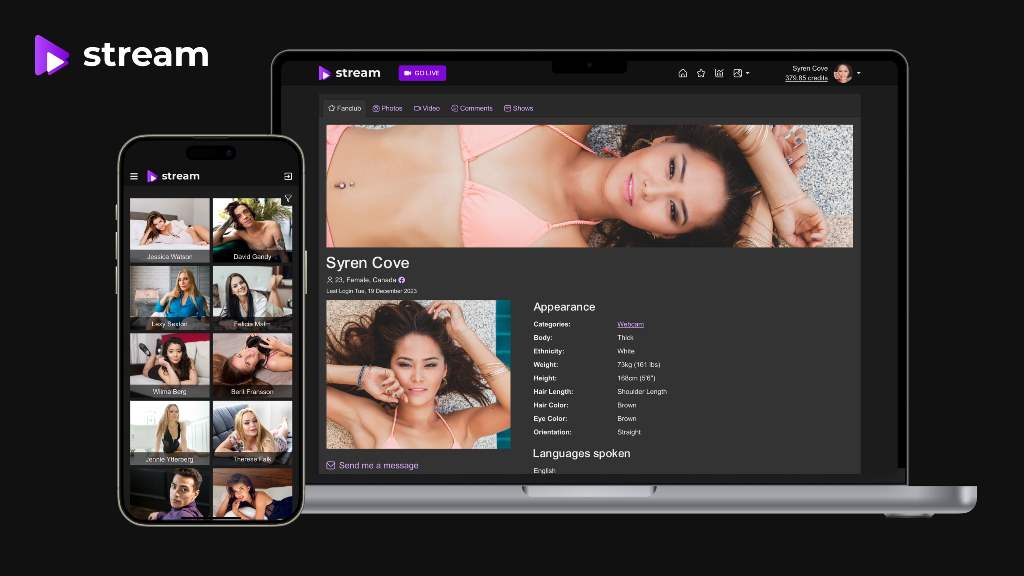
Turn Fan Attention into Paid Interaction
Many fan websites struggle because they rely only on passive content. Fans read, watch, and leave.
Live interaction gives them a stronger reason to stay.
For example:
- A creator can host paid group streams.
- A performer can offer private sessions.
- A fan community can run exclusive live events.
- A niche expert can offer premium Q&A sessions.
- A creator agency can manage multiple performers or hosts.
- A content business can combine subscriptions, PPV, and live access.
This type of monetization works because fans are not only buying files or posts. They are buying access, presence, and interaction.
Own the Brand and the Audience Relationship
Third-party platforms are convenient, but they come with limits.
You may not control the design. You may not control payment rules. You may not control all user data. You may compete with other creators inside the same platform. You may also be affected by policy changes.
With a white-label platform, the audience experiences your brand first.
That helps if you want to build a long-term business instead of only monthly income from someone else’s platform.
A fan page website can become an asset when it has its own domain, members, payment flow, content library, and brand identity.
When Scrile Meet May Be a Better Fit
Scrile Stream is the better match for live fan interaction, performer platforms, paid content, subscriptions, tips, and video-based fan monetization.
Scrile Meet can be more suitable when the fan website is built around scheduled private appointments instead of open live interaction.
For example, Scrile Meet may fit:
Paid coaching calls
Expert consultations
Private lessons
Scheduled fan appointments
Tele-advice
One-to-one service sessions
Structured booking workflows
If the business model depends mainly on appointments and scheduling, Scrile Meet may be the better option. If the model depends on live video monetization, creator interaction, fan content, and paid access, Scrile Stream is the stronger fit.
FAQ About Fan Page Websites
What is a fan page website?
A fan page website is a standalone website built around a creator, public figure, brand, performer, entertainment topic, hobby, or niche community. It can include updates, photos, videos, blog posts, fan discussions, memberships, paid content, live sessions, merch, and other fan engagement features.
What is the difference between a fan page and a fan site?
A fan page usually means a page on a social media platform. A fan site or fan website is a separate website with its own domain, structure, branding, and content. A fan website gives the owner more control over design, monetization, audience data, and user experience.
How do I create a fan website?
To create a fan website, choose a clear niche, define the audience, select a domain, plan the site structure, publish useful content, add media, set up community or membership features, and decide how the site will make money. If the site will include subscriptions, paid content, live video, or private sessions, choose a platform that supports monetization from the start.
What should a good fan website include?
A good fan website should include a clear homepage, about page, regular updates, media content, blog or news section, social links, mobile-friendly design, legal pages, and a way for fans to interact or subscribe. More advanced fan websites may also include live video, private chat, paid memberships, PPV content, tips, merch, and community tools.
Is it legal to create a fan page?
It can be legal to create a fan page, but it depends on the content, branding, and monetization model. You should be careful with copyrighted images, music, videos, logos, trademarks, and official materials. If the site is unofficial, make that clear. If you plan to monetize content based on someone else’s intellectual property, get legal advice before launch.
Can I make money from a fan page website?
Yes, a fan page website can make money through subscriptions, paid content, tips, private sessions, live events, merch, digital products, sponsorships, affiliate offers, and community memberships. The best model depends on the audience and the type of fan relationship you are building.
What is the best way to monetize a fan website?
The best way depends on the niche. Creator and performer fan sites often work well with subscriptions, PPV content, tips, and private sessions. Fan blogs may earn through ads, affiliates, and sponsorships. Community fan sites may use memberships, events, and premium groups. Live interaction platforms can combine several monetization methods at once.
Do I need live video features for a fan page website?
Not every fan page website needs live video. A simple fan blog or news site can work without it. But live video becomes important if you want to offer private sessions, group events, live Q&A, paid shows, coaching, fan calls, or real-time creator interaction.
Can a fan website become a full creator platform?
Yes. Many fan websites start as simple content hubs and later grow into paid platforms. This usually happens when the owner adds user accounts, subscriptions, premium content, live sessions, private messaging, tips, payment tools, and admin features.
What platform should I use to build a paid fan page website?
For a simple blog, a regular website builder may be enough. For a monetized fan website with live video, subscriptions, paid content, private sessions, tips, and platform control, a white-label solution like Scrile Stream is a better fit because it is built around fan interaction and direct monetization.
Final Thoughts
A fan page website can be a simple hobby site, but it can also become something much more valuable.
The difference is strategy.
If you only want to post updates, you need a clean design, a domain, and a content plan. If you want to build a business, you need a stronger system: audience ownership, paid access, content structure, payment flow, live interaction, community tools, trust, and analytics.
Social media can help fans discover you. A fan page website helps you keep the relationship.
That is why serious creators, performers, agencies, and fan businesses should think beyond basic pages. The real opportunity is not just to build a site. It is to build a branded destination where fans can subscribe, interact, support, buy, and return.
If you want to turn a fan page website into a monetized platform with live video, paid access, subscriptions, tips, and direct fan interaction, Scrile Stream can give you the foundation to build it under your own brand.
Ready to turn your fan page website into a monetized platform? Contact Scrile to discuss your fan site idea and choose the right setup for your business model.